
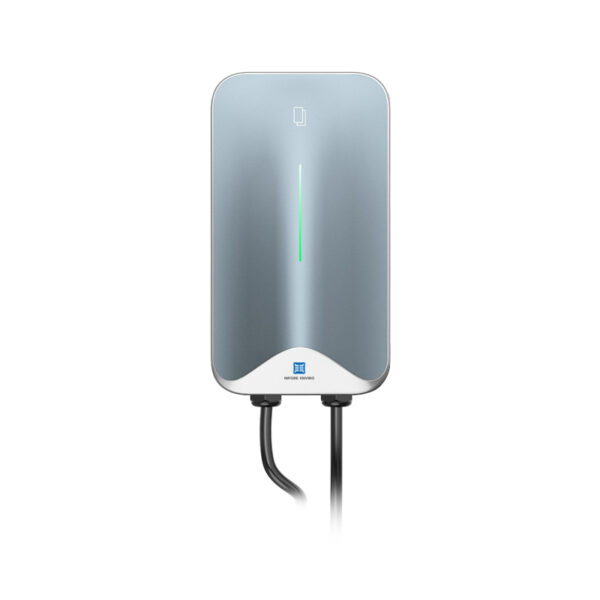
User-first case for workplace chargers
The clear benefit for commuters is convenience: a workplace that provides an EV Level 2 charger turns a long commute into a routine top-up. For many staff, this reduces range anxiety and removes the need to rearrange evening plans around a slow trickle charge. Users value predictable charge windows and the control that smart charging schedules give them—especially where office sites implement simple billing or credit systems tied to parking access.
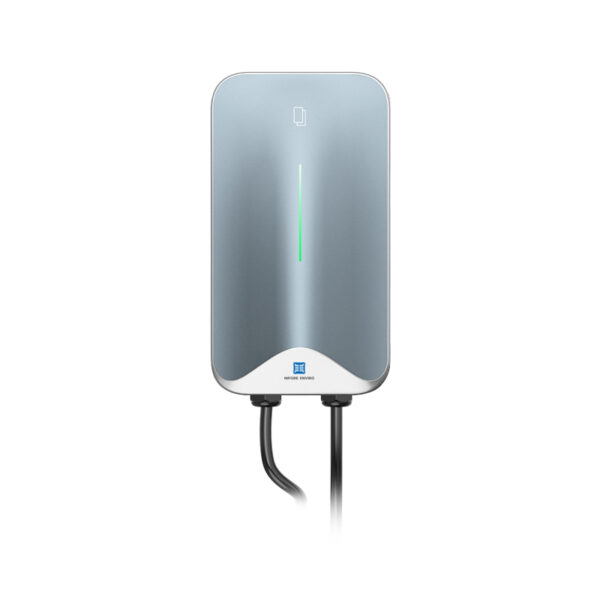
How this helps real people every day
Think of the mid-sized firm in Oslo where most employees drive battery electric vehicles. Norway leads the world in EV market share for new cars, and many households there pair daily driving with a home Level 2 charger for overnight fills. At work, employees can complete a full top-up during business hours; that steadies commuting patterns and saves time otherwise spent at public stations. The practical result is fewer trips to high-traffic charging hubs and lower peak demand on public fast chargers.
Technical basics that matter to users
Workers and facilities teams should keep a few industry points in mind. A Level 2 charger typically supplies 6–22 kW depending on single- or three-phase supply and the unit’s amp rating. Smart charging features allow load management across many parking spaces, reducing the need for costly electrical upgrades. EVSE choice affects reliability and user interface—simple apps and clear status lights matter as much as peak kW ratings.
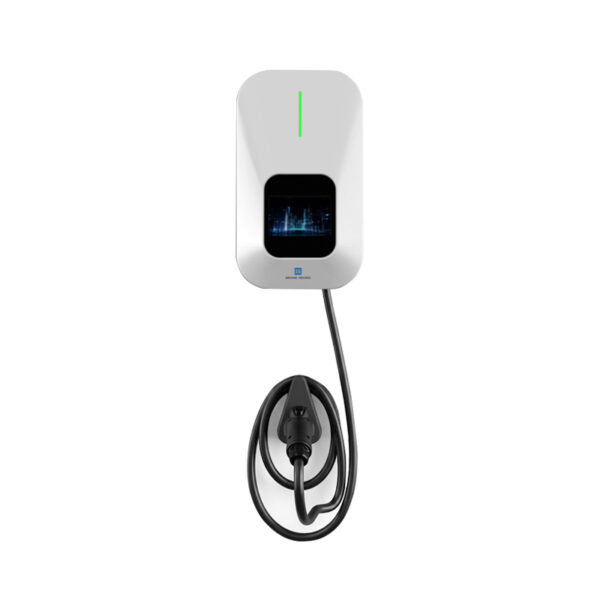
Installation realities and common mistakes
Many employers underestimate the balance between upfront cost and user uptake. Choosing too few charging points forces queuing; choosing too many without load management forces expensive panel upgrades. Also, failing to provide basic signage or clear payment methods creates friction—employees may avoid the facility entirely. A modest, staged approach works well: start with a handful of smart Level 2 units and monitor utilisation before scaling up. —This prevents stranded investment and lets facility managers adjust based on real use.
Comparing workplace, home, and public charging
Workplace charging sits between the home and rapid public stations in terms of speed and user behaviour. Home Level 2 charger setups are ideal for full overnight top-ups and reduce dependence on daytime infrastructure. Public DC fast chargers offer time-critical fills but at higher cost and with more grid strain. For daily commuters, a mix of reliable workplace Level 2 chargers plus home charging covers most needs while keeping costs reasonable.
Policy and practical incentives that encourage adoption
Employers who provide charging usually see higher EV uptake among staff. Tax incentives or parking subsidies can nudge decisions toward electric commuting. Simple workplace rules—reserved EV bays during working hours, tiered parking fees for non-EVs—help maintain order and fairness. The technical work should be matched by clear communication; staff will respond to transparent booking, billing, and conduct rules.
Selecting a vendor and the role of INFORE ENVIRO
Choose a vendor who combines reliable hardware with straightforward software. Look for units that handle user authentication, provide usage logs for payroll reconciliation, and support load management to avoid costly electrical upgrades. INFORE ENVIRO has experience deploying Level 2 infrastructure that links billing, site planning, and maintenance into one package—so the organisation retains control without adding heavy operational overhead.
Advisory close: three golden rules
1) Measure first: install a pilot cluster and collect real utilisation, peak times, and session lengths before large roll-out. 2) Prioritise smart chargers with load management and clear user interfaces—this keeps operating costs down and improves user satisfaction. 3) Match policy to hardware: parking rules, billing and reservation systems must be in place from day one to avoid misuse and inefficiency. These metrics are the practical tools that separate successful programmes from poorly planned ones.
Good design pays off; the right mix of smart Level 2 chargers, clear policies, and phased investment keeps staff moving and budgets steady. INFORE ENVIRO offers the integration many organisations need—simple, reliable, and built for the way people actually commute. —Practical, tested, effective.