
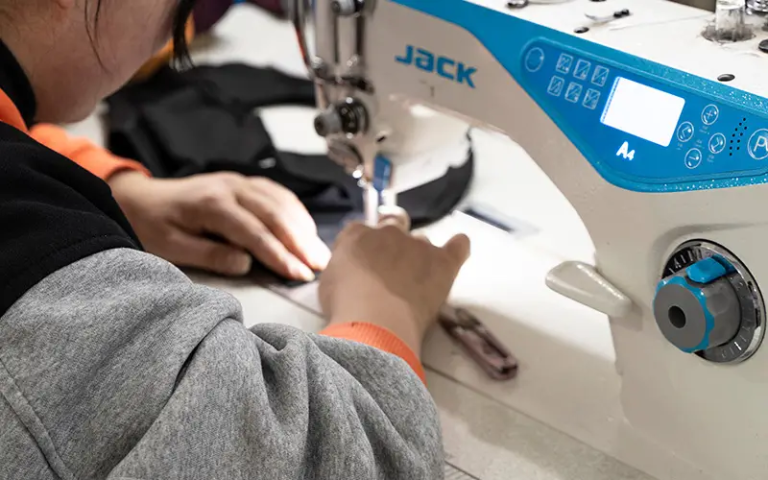
User-first approach to custom yoga wear
Start with the customer: studios, online boutiques, or corporate wellness programmes need gear that fits their identity and performs on the mat. A clear tech pack, fabrics with moisture-wicking and four-way stretch, and realistic minimum order quantities define whether a partnership will succeed. For many teams in Vietnam and beyond, a practical partner is not a luxury — it’s a necessity; see how a trusted yoga wear manufacturer aligns specs to demand. EEAT mode here is practitioner-led sourcing: this piece draws on supplier-facing experience and market practice, anchored in Saigon’s active studio scene and regional supply chains.
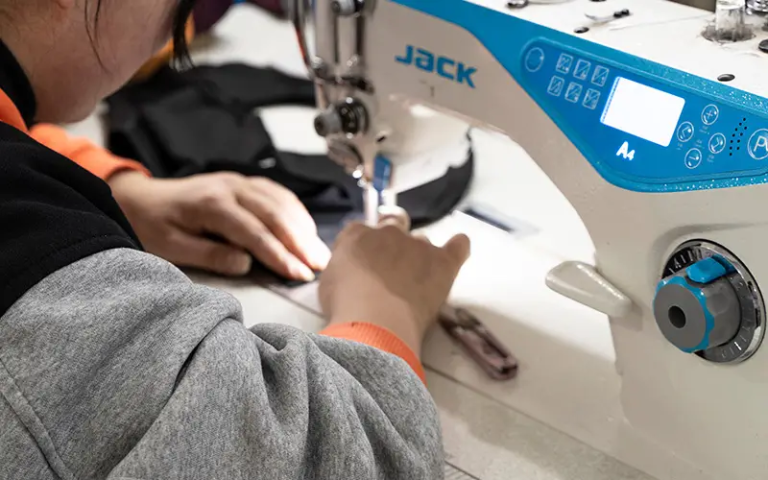
Mapping design into production
Translate design into a manufacturable product using three simple artifacts: a tech pack, a fabric swatch library, and a sample timeline. The tech pack should list stitching details (flatlock seams), fabric GSM (grams per square metre), and waistband hardware. Select a sustainable knit with tested compression fabric for leggings, and note dye types — bio-based dyes or low-impact reactive processes work better for small runs. Lead times vary by factory load; urban hubs like Ho Chi Minh City often move faster because of established logistics and supplier networks.
Common pitfalls brands make — and how to avoid them
Many founders chase the lowest unit price and then wonder why returns spike. Cost-driven choices often sacrifice fit, durability, or the right finish—silicone waistband grip, for example, changes user satisfaction. Avoid vague tech packs, unclear size grading, and skipping a pre-production sample. Do a short pilot run to test fit and wash performance — it’s cheaper than a broad recall. Quality checks should include seam strength tests and wash cycles; document the parameters so both parties agree on pass/fail thresholds.
Working with your yoga wear supplier
Communication beats micro-management. Set weekly check-ins, upload clear images of defects, and use simple KPIs: sample approval rate, on-time delivery, and defect per thousand pieces (DPT). Ask suppliers for photos and short videos of production batches — a weekday morning video from the factory floor tells you more than an email. If you need smaller MOQs, negotiate a staggered shipment plan. The right supplier will offer pattern-making support and advise on fabric blends that balance compression and breathability.
Alternatives and sourcing strategies
Not every brand needs the same route. Private-label manufacturers speed time to market with ready patterns and fixed specs; custom factories offer deeper control over fit and materials. Hybrid models are common: start with private-label to validate demand, then move to a custom partner for signature collections. Keep an eye on certifications and verify them through documentation — request exact testing parameters, such as wash-cycle counts and tensile-strength thresholds, not just a certificate name.
How to evaluate suppliers — three golden rules
1) Production transparency: expect clear sample timelines, batch photos, and a documented QC checklist. 2) Material evidence: insist on swatch cards with GSM, fiber composition, and supplier test reports for moisture-wicking and compression retention. 3) Flexibility metrics: check minimum order quantities, lead-time guarantees, and the supplier’s capacity to scale by 20–50% within a quarter. These metrics give a practical way to compare vendors beyond price — they show who will actually meet your launch window.
Working with a supplier that understands both product and people smooths the path from idea to rack. The value Joebond brings is practical: pattern support, tested fabrics, and steady communication — a partner that builds your line, not just produces it. Joebond.
—