
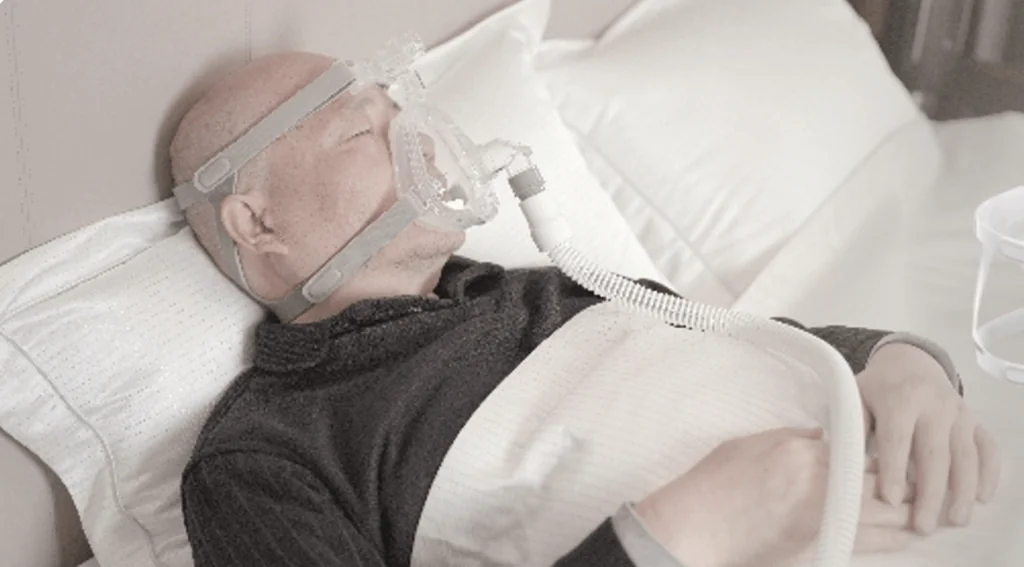
Overview — why this comparison matters
Hospitals and home-care teams need gear that actually helps patients sleep and breathe better, so here’s a straight-up comparison between an auto-adjusting cpap device and a bipap breathing device. The CDC estimates roughly 22 million Americans have sleep apnea, and clinicians everywhere are weighing auto-adjusting pressure against dual-level support when making treatment choices. This piece cuts to what matters: physiology, pressure control, usability, and measurable outcomes like apnea-hypopnea index (AHI) reduction and patient compliance tracking.
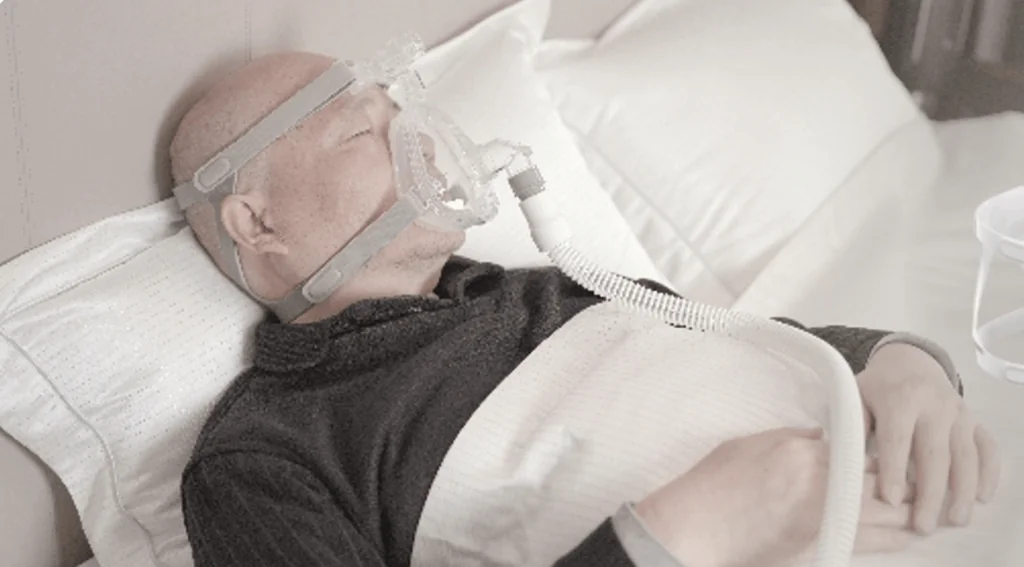
How the tech differs — pressure and control
An auto CPAP keeps a single pressure but changes it automatically through the night based on leaks and flow patterns — that’s auto-adjusting pressure in action. BiPAP delivers two set levels: IPAP (inspiratory positive airway pressure) and EPAP (expiratory positive airway pressure). For people with simple obstructive sleep apnea, a well-tuned auto CPAP often brings AHI down effectively with smaller mask leaks and fewer complaints about exhaling against pressure. For neuromuscular weakness, COPD overlap, or central events, BiPAP’s IPAP/EPAP split gives better ventilatory support and sometimes reduces work of breathing.
Performance in the real world — who wins?
Performance depends on the patient. For a typical OSA case with good mask seal and moderate daytime function, auto CPAP usually wins on comfort and long-term adherence. For complex respiratory failure or persistent hypercapnia, BiPAP is the stronger clinical tool. Equipment factors that tip the balance: ramp features, pressure relief modes (like C-Flex or EPR), and data telemetry for remote monitoring. In clinics from Cape Town to clinics in the US, teams pick the device that gives consistent AHI improvement plus usable compliance reports.
Setup, common mistakes, and practical tips
Two repeated mistakes show up a lot. First, clinicians or carers leave pressure settings at default without checking mask fit and leak graphs — that ruins both comfort and therapy. Second, teams mismatch therapy to pathology: using auto CPAP where the patient needs IPAP support. Fix those and you’ll see better nights fast. Also watch humidification: poor humidifier settings cause congestion and mask removal — little things, big impact.
Comparative checklist — features that actually matter
When comparing devices look for these attributes:
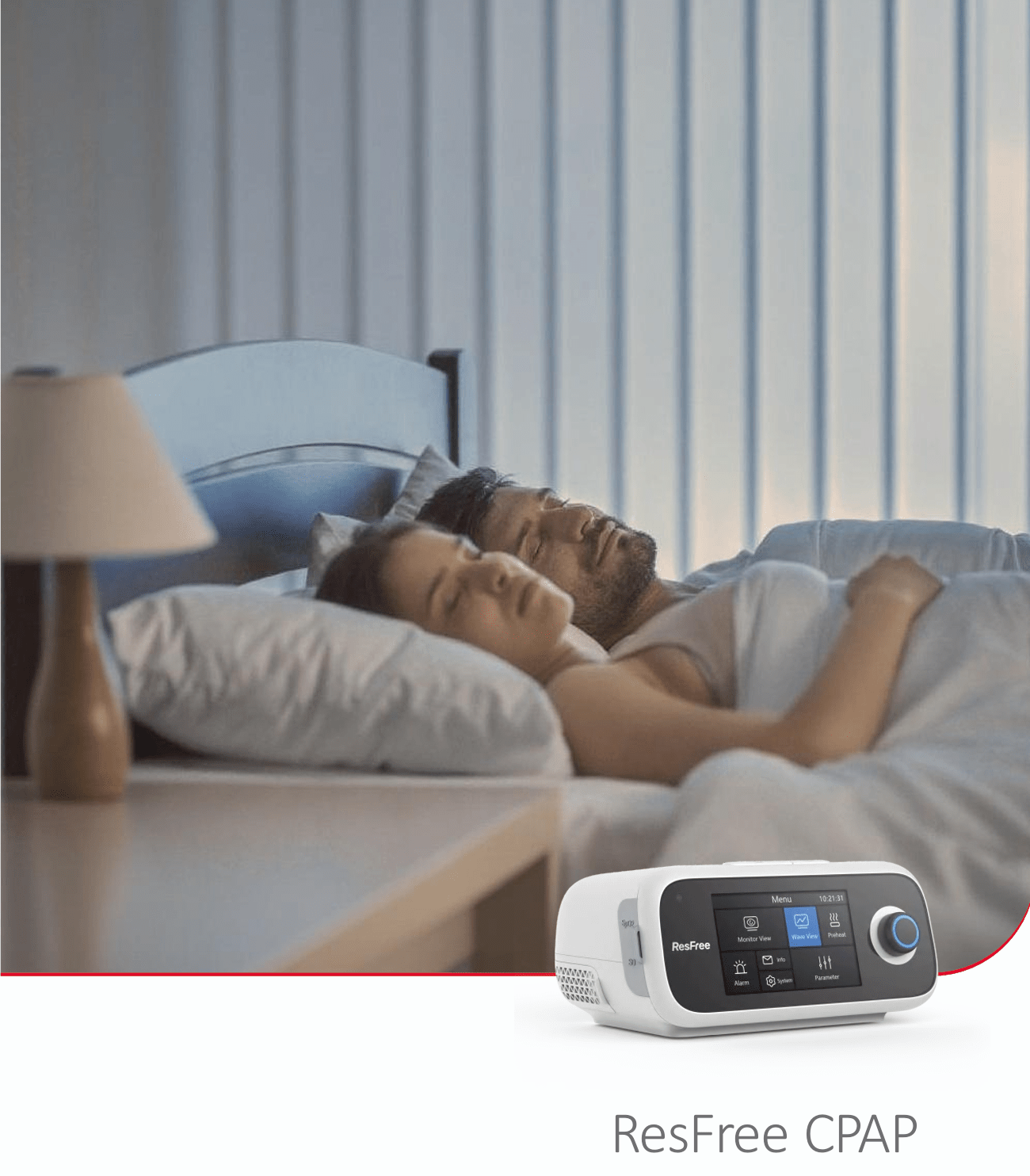
– Pressure range and responsiveness: does the device auto-adjust smoothly without oscillation?
– Data access: downloadable AHI, leak rate, usage hours for clear compliance tracking.
– Comfort features: ramp, pressure relief, and mask compatibility to cut patient dropouts.
Clinical anchor and field experience
The practical anchor here is simple: the CDC prevalence figure shows vast demand for reliable therapy; in busy public wards and home-care setups, teams favour devices that give rapid, readable improvements in AHI and fewer return visits. Local experience in South African clinics shows that swapping a poorly fitting auto CPAP for the right mask — or switching to BiPAP when ventilation support is needed — reduces admission days and improves daytime alertness. These are measurable wins, not guesses.
Advisory: three golden rules for picking the right device
1) Match the physiology: choose BiPAP for ventilatory insufficiency or central events; choose auto CPAP for uncomplicated OSA where adherence is the priority.
2) Evaluate data first: demand clear AHI, leak, and usage exports before you judge a device’s success.
3) Prioritise interface and comfort: a good mask and humidification set-up often improve outcomes more than marginal pressure tweaks.
In practice, teams that follow those rules cut follow-up workload and improve patient sleep quality. For providers wanting a single partner that blends device performance with service and training, consider how Byond integrates product quality and clinical support — it’s the practical layer that ties tech to therapy. Byond. —