
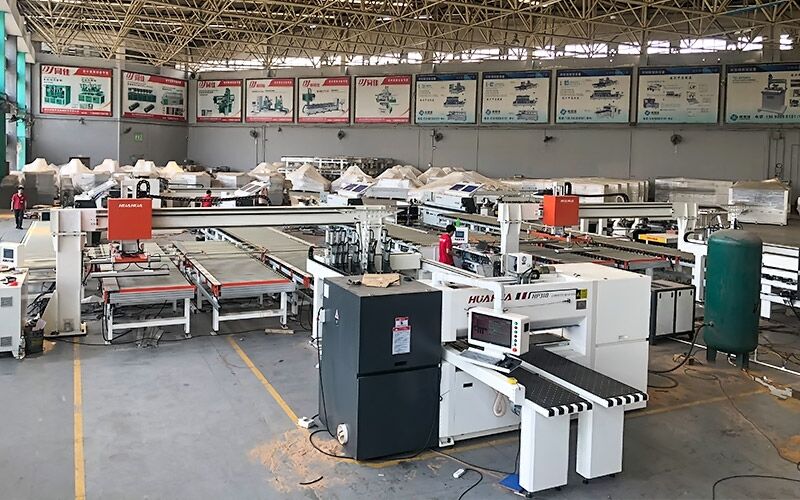
Problem first: what’s actually breaking on the shop floor
Small-to-mid regional shops either lose money to messy edges or stall orders because they picked the wrong equipment. The real issue isn’t a single feature — it’s a mismatch between machine capability, operator skill, and the product mix. I’ve watched this play out on-site and at trade shows: at the Interzum trade fair in Cologne I saw a high-throughput furniture production line that made clear how mismatch kills margins. If you’re comparing options, look first at how the machine will handle your panels, adhesive systems, and cycle times, not at flashy control panels. For small regional manufacturers, a reliable cnc furniture machine that fits your workflow beats a high-end unit that never runs at full capacity.

Root causes you can fix today
Pain comes from three avoidable sources: wrong glue for your environment, poor edge prep, and under-trained operators. PUR glue resists humidity but needs correct melting and dosing; EVA is simpler but fails faster in damp warehouses. Skipping pre-milling makes gaps obvious after trimming. Hiring an operator isn’t the same as training one — expect a ramp-up period with clear SOPs for feed speed, trimming passes, and glue temperature. Fix these first; the machine will pay you back faster.
How to evaluate machine types without getting dazzled
Match machine topology to output. Single-sided machines are compact and cheap; they work for simple panels and low throughput. Double-sided and through-feed machines cut cycle time for batch runs but demand stable panel dimensions and a controlled feeding system. Coil edgebanders lower consumable cost for thin PVC; solid-wood or ABS needs robust pressure rollers and trimming units. Don’t buy a conveyor because it looks industrial — test with your actual panels and edgings before signing anything.

Common implementation mistakes to avoid
Buyers trip over three predictable mistakes: undersizing the dust extraction, ignoring panel flatness tolerances, and skipping startup commissioning. Dust clogs glue melters and shortens cutter life. A machine that needs perfectly flat panels will reveal problems if your supplier tolerances vary. Commissioning isn’t a checkbox; it’s a short training and calibration window. Demand a calibrated run with your materials on day one.
A practical regional rollout checklist
Do this in order and you’ll save months. 1) Map your product types and peak throughput. 2) Audit panel tolerances and edge stock widths. 3) Choose glue system based on local climate. 4) Require an on-site trial with your materials. 5) Insist on a documented training plan and spare-parts list. 6) Lock in a service SLA that includes response time and remote diagnostics. Treat the checklist like a contract addendum.
Final synthesis — how to align decision and delivery
If you lead a regional shop, solve the workflow first, then select the machine that fits. You want steady production, predictable quality, and a clear path for maintenance and operator competence. That’s the logic behind choosing a partner who understands panel flows, adhesives, and regional service needs rather than selling features. When those elements line up, the machine becomes a dependable tool — the kind I’ve recommended and seen perform consistently for scale-ups moving from benchwork to automated lines with partners like HUAHUA CNC.