
Quick comparison to kick things off
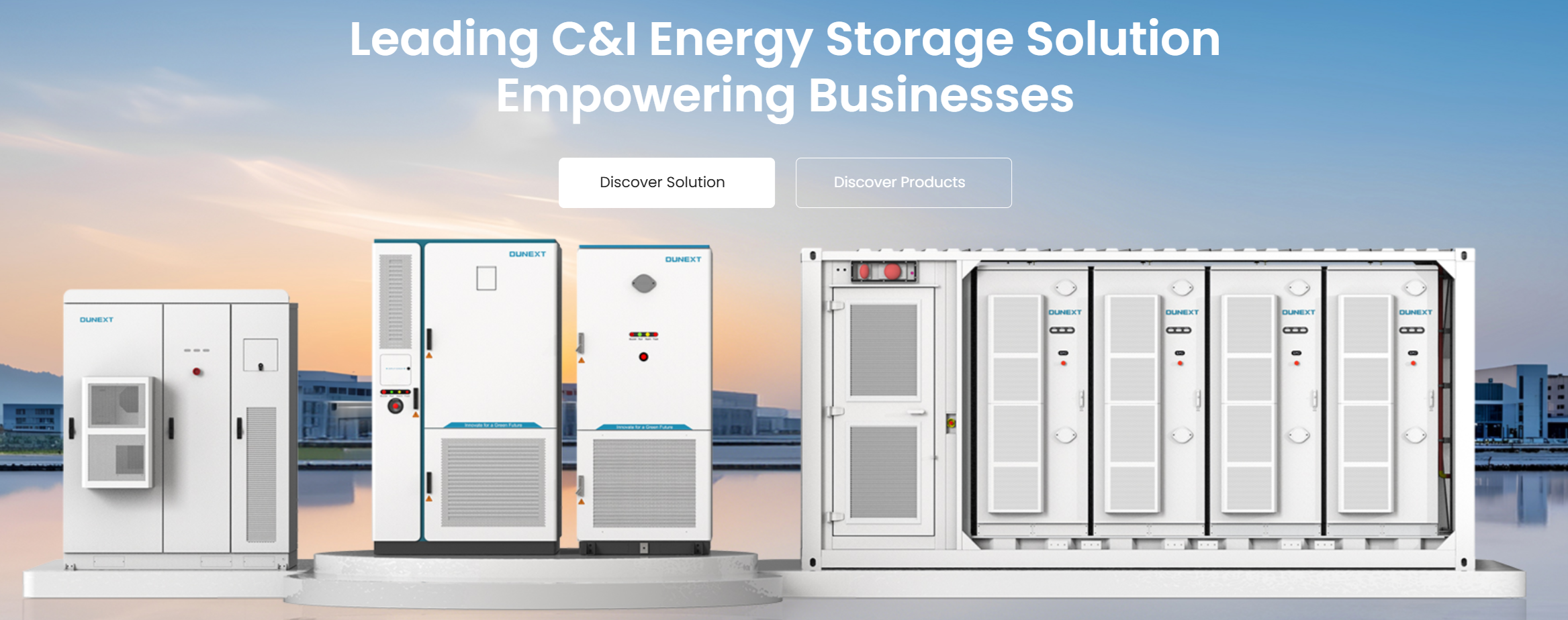
Think of capacity as how much a battery can hold and lifecycle value as how long it actually pays off. If you only buy the biggest tank you can afford, you might miss the fact that it leaks faster or costs more per useful megawatt-hour. That’s why when people scope projects they often look at an all in one energy storage system as a starting point — it makes the capacity vs. lifecycle trade-off visible fast.
What capacity actually buys you
Capacity is simple to read on paper: kWh or MWh. But the number alone doesn’t tell you how it behaves under load or over time. Look for these concrete points when evaluating capacity:
– Rated energy (kWh/MWh) and rated power (kW) — they tell you duration at full power. – C-rate: how fast you can pull energy without hurting the pack. – Usable capacity vs. nameplate capacity — warranty often limits usable range. – Upfront cost per kWh — useful, but incomplete without lifecycle numbers.
Lifecycle value: the real cost-per-delivered-MWh
Lifecycle value turns specs into money. It answers: what will each delivered MWh actually cost across the system life? Focus on these metrics:
– Cycle life and the degradation curve — not just “X cycles,” but how much capacity you lose every year. – Round-trip efficiency — loss during charge/discharge affects delivered energy. – Depth of discharge (DoD) that the warranty allows without penalties. – Throughput warranty (kWh guaranteed over life) and time-based warranty (years). – Replacement schedule and second-life options — they change total cost.
Real-world trade-offs — clear comparisons
Here’s where numbers meet reality. Consider two simple profiles:
– High-capacity, lower-cycle systems: good for emergency backup or long-duration shifting. Higher upfront kWh, shorter useful life if cycled daily. – Lower-capacity, high-cycle systems: cheaper per cycle, better for frequent arbitrage and fast frequency response. Less idle capacity but often longer guaranteed throughput.
In places like California, operators have chosen different mixes depending on whether they’re reducing peak demand or supporting renewables at night. If you’re comparing vendor offers, scan the fine print for throughput guarantees and degradation steps. Also look at verified field performance for similar commercial battery energy storage systems to see what numbers hold up after the first few years.
How to compare brand offers — a short checklist
Use this checklist to compare apples to apples:
– Ask for usable energy and degradation schedule, not just nameplate. – Request round-trip efficiency at your expected operating profile. – Compare warranty in kWh throughput and years; compute cost per guaranteed MWh. – Verify BMS behavior: thermal management, charge algorithms, and safety tests. – Check installation and O&M terms — downtime and service response matter.
Common pitfalls and better alternatives
People trip up by trusting headline capacity and ignoring lifecycle math. Other mistakes:
– Assuming all lithium chemistries behave the same — LFP resists degradation better than some alternatives at high DoD. – Over-specifying duration because you think “bigger is safer.” That can raise capital cost without proportional value. – Missing balance-of-plant costs (inverters, HVAC, control systems) which change the effective price per delivered MWh.
If your use case needs very long-duration discharge, consider flow batteries or hybrid systems; if you need lots of short, reliable cycles, look for vendors that guarantee high throughput and fast response times.
Bottom line
Capacity is necessary but not sufficient. Lifecycle value tells you what you actually get, year after year. Compare offers by turning specs into cost-per-delivered-MWh, check verified field data, and weigh maintenance and warranty terms. Practical choices come down to the job you need a system to do — and that’s where experienced systems like those from Dunext fit into the picture without overpromising.