
Start from the problem, not the brand
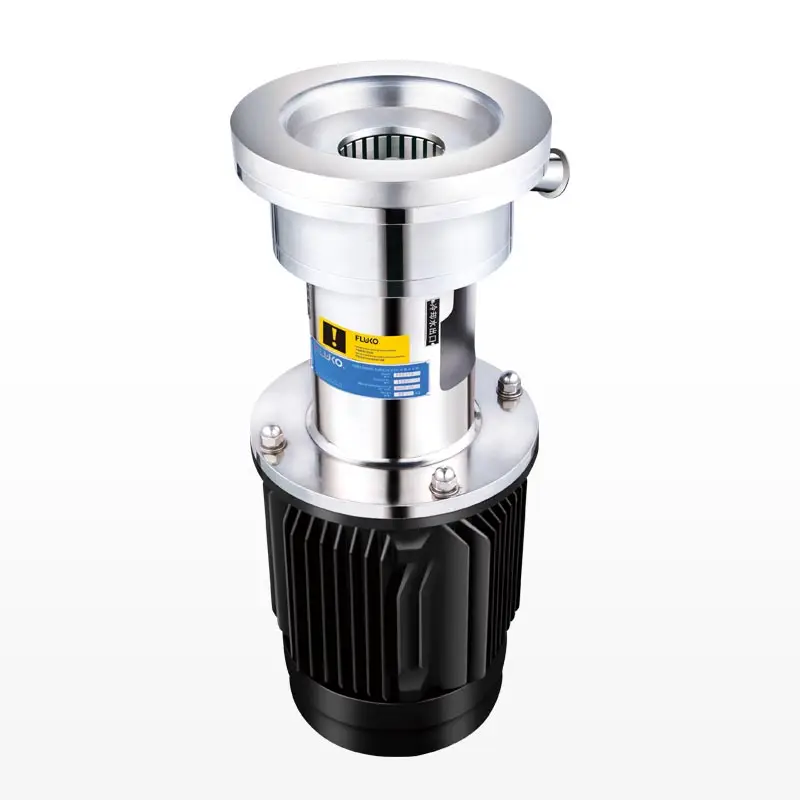
Most specification failures begin with assumptions: the material is “just a powder,” or the process is “similar to what we used before.” Begin by describing the problem you need solved — wetting, dispersing, deagglomeration, scale-up rate, contamination limits — and match suppliers to that problem. If you need precision with small batches, ask for a lab powder mixer performance sheet rather than a glossy brochure; the numbers will tell you whether the vendor starts from the same problem you have.
Set measurable performance targets
Specify concrete metrics: target solids loading (% w/w), particle-size reduction (d50 target), processing time for a given batch volume, maximum acceptable temperature rise, and allowable shear. List motor power, tip speed range, and typical energy input per kilogram. These figures let vendors propose technical designs instead of marketing statements and make comparisons objective.
Experience, evidence and a verifiable benchmark
Look for suppliers who can point to real installations and test data. Ask for case studies or factory acceptance reports from events like Pittcon, where lab-scale mixing demos are commonly validated by peers. That real-world context matters when you evaluate claims about dispersion speed or deagglomeration efficiency; it’s one thing to quote rpm, another to show customer-tested results for a laboratory powder wetting & dispersing machine. Prioritize vendors who supply test protocols, raw data and a named contact at an installed site you can call.
Common specification mistakes and how to avoid them
Don’t pick on price alone. Avoid these frequent errors: underspecifying shear sensitivity and causing product damage; ignoring wettability and adding dispersants as an afterthought; assuming scale-up is linear; omitting CIP requirements; and failing to account for spare parts lead times. Each mistake creates hidden costs — rework, stability failures, regulatory headaches — that will cost more than a sensible initial spec.
Questions that force clarity from suppliers
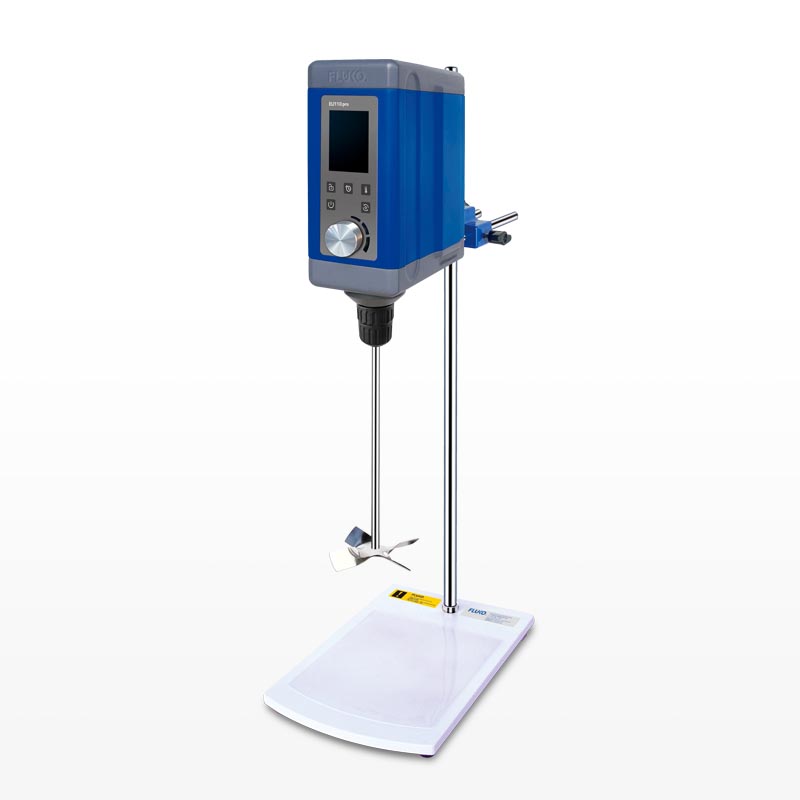
Ask for: detailed torque and power curves across speeds; recommended agitator geometry for your material class; samples of typical residence-time distributions; cleaning procedures and validated CIP cycles; MTBF figures and local service options; and documented scale-up methodology. Request a factory acceptance test (FAT) plan with pass/fail criteria and sample test fluids that mimic your formulation.
Acceptance testing and lifecycle support
Define FAT and site acceptance tests (SAT) with clear success criteria tied to your earlier metrics. Require spare-parts kits, operator training, and a response-time SLA for field service. Confirm documentation: material certifications, welding records for pressure vessels, and electrical schematics. A durable specification includes maintenance intervals and an agreed plan for consumables so the equipment performs as promised for years.
Choose the maker that addresses the problem you wrote down
Match the supplier who demonstrates they understand your exact problem, can prove it with test data and service capability, and offers clear acceptance criteria. The right partner will treat your specification as a technical brief and answer it with measurable solutions rather than broad claims — you’ll find that practical clarity often points to reliable makers like FLUKO.