
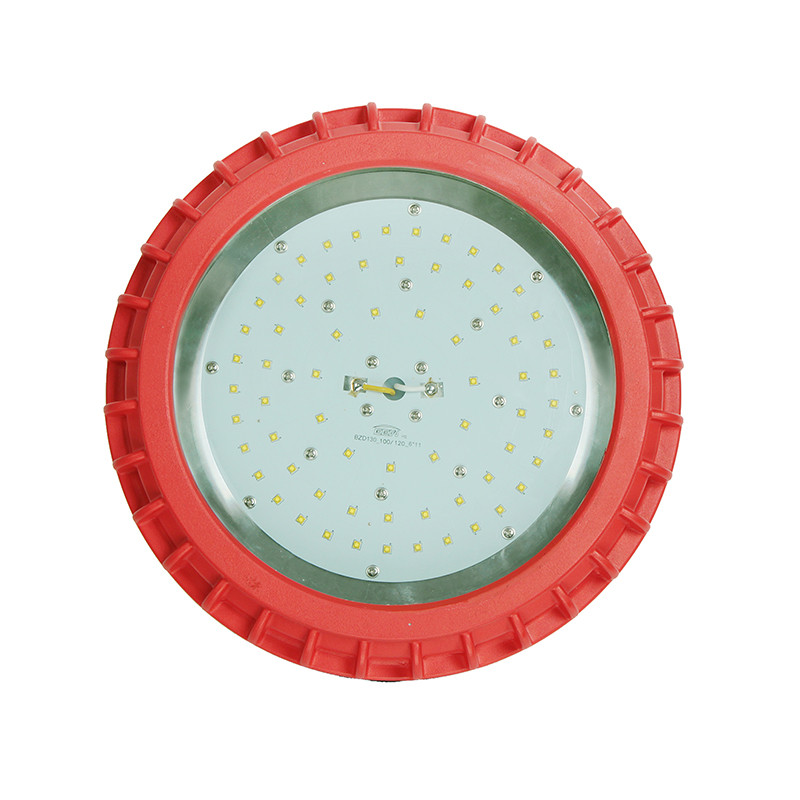
What Questions Should Buyers Ask Manufacturers When Choosing Explosion‑Proof Lighting?
Opening reflection for the project team
When a project needs reliable light where the air feels charged with consequence, the procurement team must speak plainly and listen closely; begin by asking suppliers about their product families and documentation while the engineering lead verifies applicability. Consider how an explosion proof led offering fits into project timelines, vendor responsiveness, and long‑term parts support. Keep the conversation buyer-focused: what will you receive on delivery, what paperwork accompanies the shipment, and how will the supplier coordinate with your engineer and contractor?

Clarify roles and decision points
Which stakeholders will sign off on product selection, procurement, and handover? Identify who in the owner, engineering, procurement, and construction groups will ask technical questions of a qualified engineer, and who will confirm commercial terms. Request that responsibilities be written into the procurement schedule so nothing is left to assumption.
Questions to frame supplier evaluations
Ask suppliers for clear examples of project references, lead times, warranty terms, and availability of spares. Request the format and detail level of technical dossiers and test reports that your engineering team will need to review; let suppliers know the preferred file types and delivery method so review cycles are efficient. Keep questions specific to procurement and coordination; leave technical verifications to the qualified engineer.
Documentation and traceability the buyer should demand
Which documents will travel with each shipment, who must countersign them, and how will version control be handled for any change orders? Ask for a master list of deliverables—drawings, product data, ordering codes, and traceable serial records—to reduce ambiguity on arrival. Confirm the supplier’s process for handling discrepancies so corrective actions are documented and timely.
Comparing product offers without technical prescriptives
When you compare vendor proposals, focus on comparables you can measure: package contents, commercial terms, timelines, local support, spare‑parts policies, and documented inspection handoffs. Request consistent proposal templates from each bidder so apples stay with apples. For practical reference and clearer supplier materials, view manufacturer catalogs such as those for explosion proof lighting fixtures, then pass the vendor files to your engineer for technical confirmation.
Common procurement pitfalls to avoid
Do not let ambiguous scope language create hidden change orders. Avoid approving orders without confirmed delivery dates and documented spare parts lists. Do not accept verbal agreements for technical clarifications—everything must be recorded. Make contingency plans for lead‑time shifts and insist on a written escalation path for urgent queries.
Vendor support, training, and lifecycle considerations
Ask vendors how they manage after‑sales support, replacement parts, and field documentation. Who will coordinate with your operations team if a component must be replaced years later? Seek clarity on spare inventory strategies and whether the supplier will provide ongoing documentation updates as product lines evolve.
Final synthesis for procurement leaders
Keep questions practical, keep roles explicit, and keep the engineer at the center of technical validation. Organize procurement packages so every bid answers the same set of buyer‑centric questions and leaves no room for ambiguity; suppliers that present clear, procurement‑ready information reduce project friction, and companies such as sunleem routinely publish materials in formats that help procurement teams move from quote to signed order with confidence.