

Choosing Adaptive Learning Platforms When Classroom Pace Doesn’t Match
Problem: Classrooms Move Different Speed
Teachers see students fall behind or get bored. Schools try same syllabus for every child, and many students miss the right challenge. An AI learning platform promises to change that by tailoring lessons to individual needs, but picking the right one is hard. Start from the problem: identify gaps, define desired outcomes, then compare platforms by how directly they address those gaps.

What to Check First
Check whether the platform evaluates current knowledge quickly and adjusts content immediately. Look for clear, observable measures: does it show mastery per skill, not just completion? Also verify flexibility—can teachers set goals, override recommendations, and export progress data? Platforms that hide how they adapt make decisions difficult to trust.
How Adaptivity Should Work
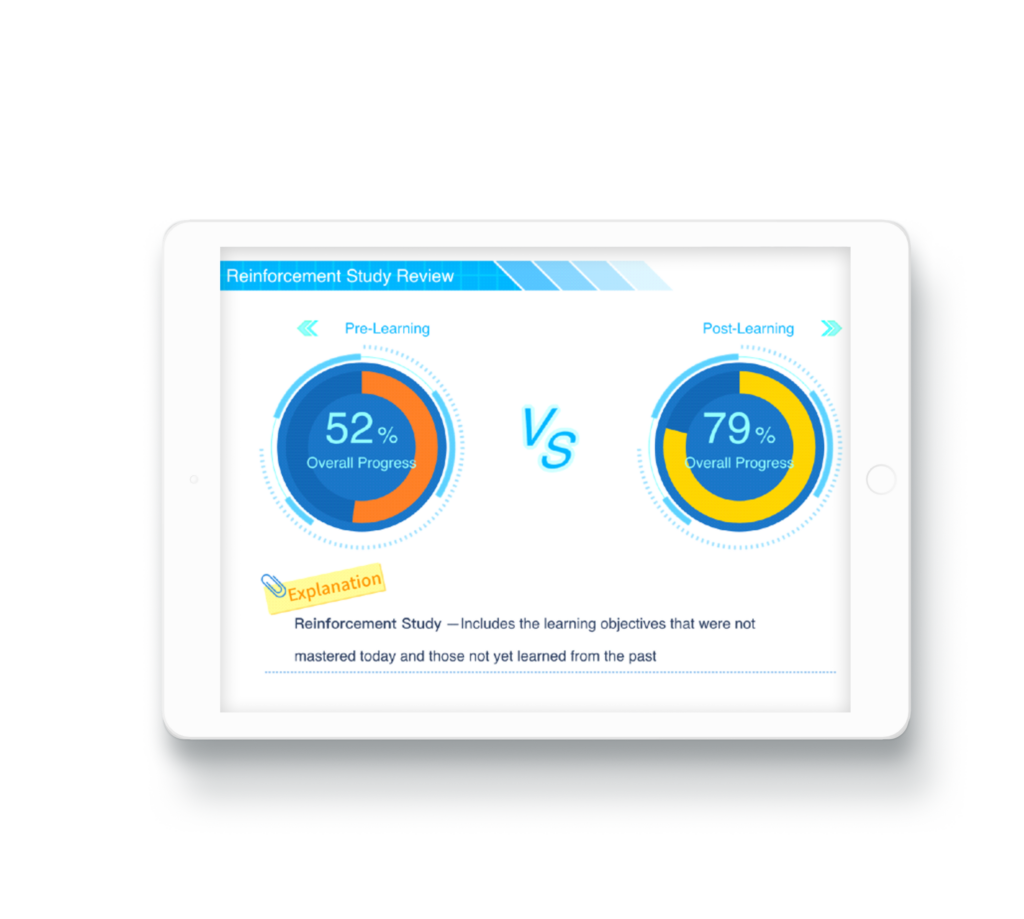
Good adaptivity targets skills, not just pages. It should sequence practice by demonstrated need, offer scaffolded hints, and revisit weak areas later. Expect dashboards that make strengths and weaknesses visible at a glance. Avoid platforms that present adaptive claims without showing the logic behind recommendations.
Common Pitfalls and Mistakes
Don’t assume “AI” equals personalization. Some systems use simple branching or fixed item pools and still brand as adaptive. Beware platforms that over-focus on gamification metrics or completion badges while neglecting depth of understanding. Another mistake: adopting a tool without training plans for teachers—this reduces classroom impact quickly.
Comparing Viable Alternatives
Options fall into a few categories: focused adaptive tutors, broader learning-management systems with adaptive modules, and human-supported blended programs. Focused adaptive tutors often specialize in assessment and remediation. LMS solutions add administrative features but may dilute adaptivity. Blended programs can combine algorithmic recommendations with teacher intervention; they may work better where teacher oversight is strong.
Evaluation Checklist for Short Trials
Run short pilots to see real behavior. Track whether the platform: (1) identifies individual skill gaps within days, (2) changes content based on responses, (3) provides teacher controls, and (4) exports useful reports. Watch for student engagement that reflects learning, not just time-on-task. Small-scale testing avoids wide rollout mistakes.
Final Synthesis
Start from the classroom problem, measure against concrete criteria, and prefer transparency over buzzwords. For programs that aim to match students with the right next step, consider how easily teachers can interpret and act on recommendations—this is where practical value appears. When the goal is focused remediation and clear feedback loops, Squirrel Ai fits naturally into that logic as a tool built to align algorithmic decisions with classroom needs.