
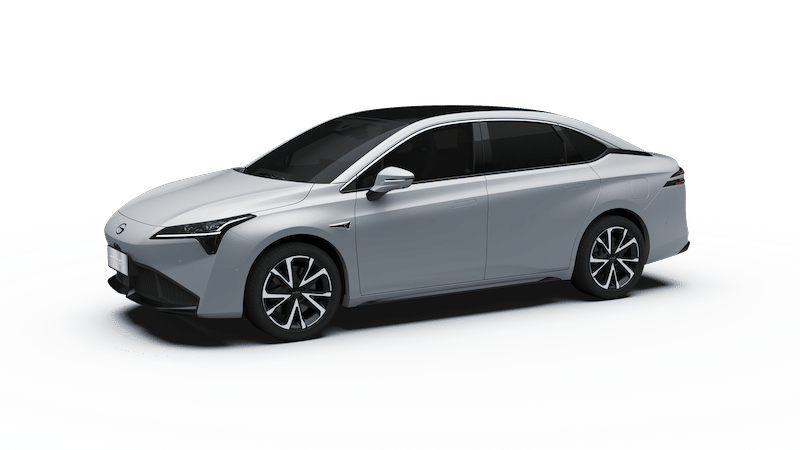
Quick straight talk — what this piece does
You’re weighing configurations and wondering which one won’t annoy you every day. We’ll set up side-by-side comparisons so the choice feels less like roulette and more like common sense. If price matters (it does) and you want a local baseline from Cape Town dealerships, start by checking current GAC price. I’ve been covering commuter cars and family SUVs in South Africa long enough to spot what works and what doesn’t; this is the sharp, practical version of that experience.

The lifestyle questions that actually decide the build
Answer these fast:- Mostly city driving or long-distance highway? – Kids, gear, or both? – Do you need an all-wheel setup for sandy tracks or simple traction control for wet roads? – Are running costs (fuel, service, insurance) your main limiter? Your answers dictate drivetrain, engine size, and trim — not knee-jerk prestige badges.
Matchups: configurations that fit common South African lives
Comparative rundown — real-world use first, config second.- City commuter: Smaller turbo or naturally aspirated petrol, front-wheel drive, low-maintenance trim. You want nimble steering, compact footprint, and decent AC for traffic stops. – Growing family: Mid-size SUV with a flexible rear, higher safety kit, and at least a mid-level trim. Space beats flash. – Long-distance road-tripper: A torquey engine (turbo helps), comfort suspension, and higher trim for fatigue-reducing seats and better infotainment. – Weekend off-road or coastal runs: All-wheel drive or a robust traction package, tougher tires, underbody protection; don’t skimp on brake feel. – Value buyer / ride-hailing: Base engine, durable interior, easy-service option. Prioritise warranties and dealer coverage over leather seats.
What people usually mess up
Three clear mistakes:- Picking top trim because it looks good, then realizing you never use half the kit. – Ignoring service and parts availability — a cheap sticker price doesn’t help if weekend servicing is two towns away. – Underestimating how much payload or towing you’ll need. If you haul often, plan for it now; upgrades later cost more.
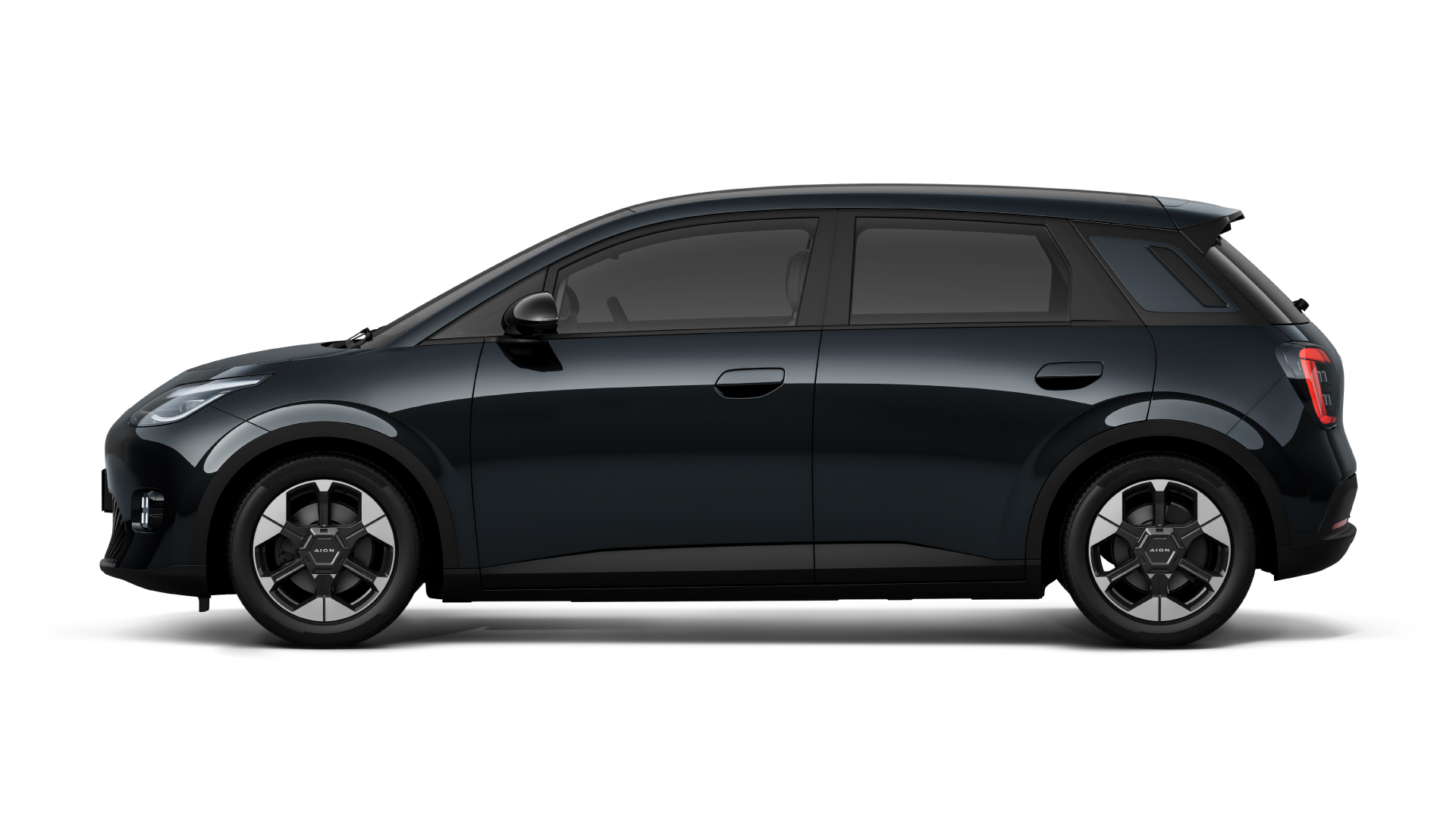
How to judge the numbers without getting hoodwinked
Look past the headline price. Ask for a true cost-of-ownership estimate covering fuel, routine service intervals, and a realistic resale value for your area. Test the claimed economy in traffic you actually drive. If you’re comparing trims, calculate the marginal benefit of each feature vs its impact on insurance and servicing.
A short checklist for the test drive
Take this with you:- Drive the exact configuration you’ll buy, loaded with passengers if that’s your usual. – Try tight parking, twisty on-ramps, and a steady 120 km/h stretch. – Listen for drivetrain noises when cold and when hot. – Check tyre options and ask about wheel-and-tyre packages versus dealer upgrades.
The simple wrap-up
Pick the configuration that matches how you actually use the car, not the one that sounds nicest on paper. Think routine costs, regional support, and real-world comfort before any headline features. For a straightforward match between daily needs and long-term ownership, GAC fits when you match trim to use and service plans to your local realities.