

Setting the comparison on genuine night runs
We took a few compact units out for a quiet night drive along the Kathmandu–Pokhara highway to compare how sensors and software react when street lighting disappears. One camera was a Sony STARVIS–equipped 4K model, and we paired it with cheaper alternatives that claim “night vision.” To keep real-world relevance we tested connectivity and live upload features too, so the group included a 4g dash cam and a unit described simply as a dashcam with 4g. The aim was clear: measure visibility, motion handling, and whether recorded detail would hold up against tough low-light conditions.
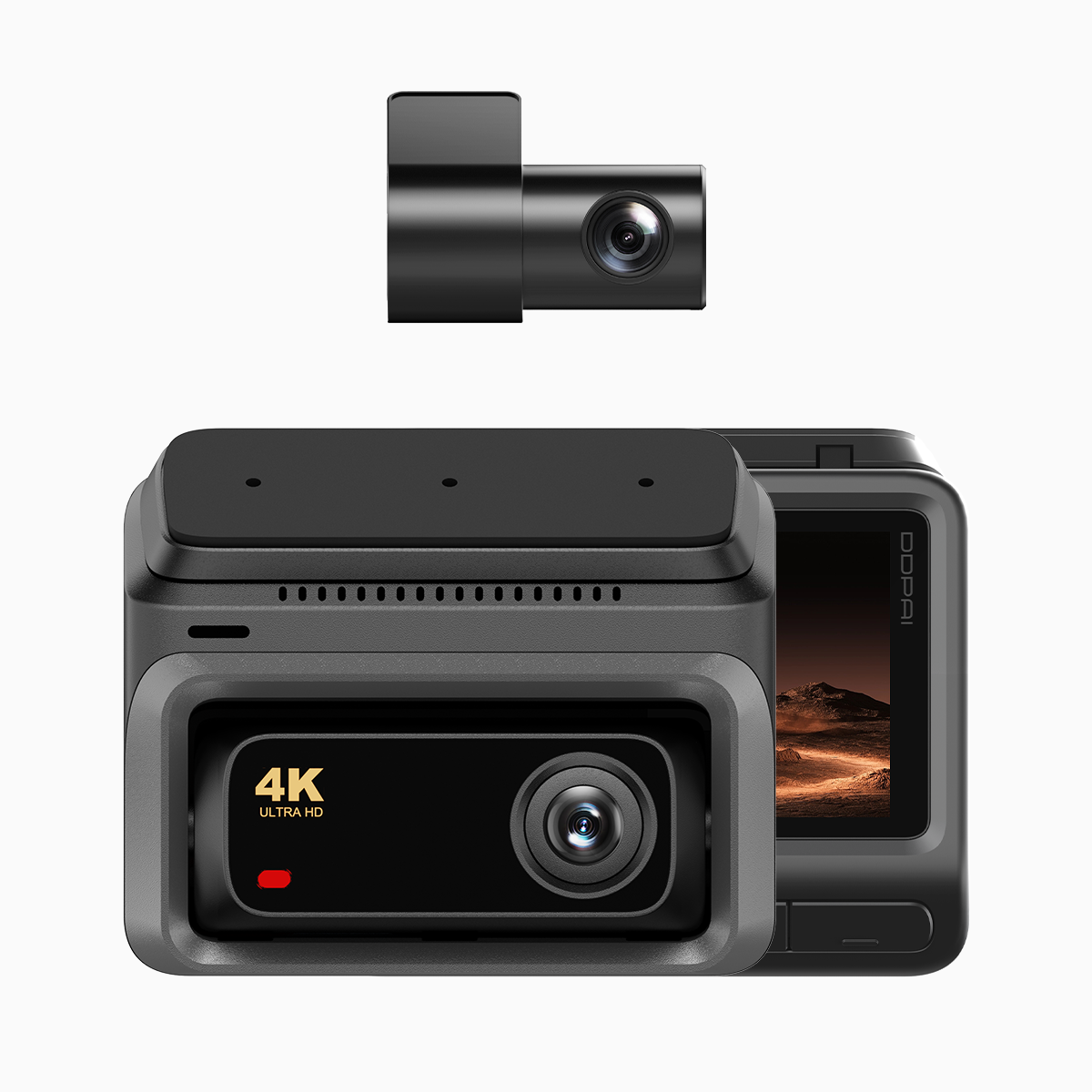
Why Sony STARVIS changes the baseline
Sony STARVIS is a back-illuminated sensor tuned for low-light scenes; it lifts small highlights and preserves colour better than many sensors in the same price band. On unlit stretches, STARVIS produced legible license plates and road signs at greater distances, with less bloom from oncoming headlights. HDR and WDR processing also help: HDR balances bright and dark areas, while WDR keeps shadows from turning to black. You still need correct mounting and angle—too low and glare spoils the frame, too high and you lose plate detail—so install carefully to make the sensor work for you.

Side-by-side technical differences
Comparing files directly shows where budget units cut corners. The STARVIS 4K clips had higher bitrate and clearer edges, while low-cost models used heavier compression that smoothed texture and removed fine plate detail. Frame rate matters too: 30 fps often suffices for general recording, but higher frame rates give better motion clarity at highway speeds. Where connectivity features exist, 4G-enabled devices let you back up critical footage remotely—handy if you cannot retrieve the car immediately after an incident. The practical pay-off is simple: better sensor and smarter encoding give usable evidence; weak compression and small sensors give ambiguous footage.
Real user habits, common mistakes, and small fixes
Many drivers assume “set-and-forget” works. It rarely does. Loop recording should be tuned to suitable segment length; parking mode must be calibrated to avoid battery drain. Firmware updates are worth checking monthly—manufacturers often improve low-light algorithms or fix jitter. A short note on positioning: keep the camera centred behind the rearview mirror and avoid tint bands on windshields that interfere with the sensor. Small habit change leads to cleaner captures and less time dealing with corrupt files—so do the simple work now, and you save effort later.
How these findings affect purchase choices
Price is only one axis. If you drive frequently on unlit mountain roads, prioritise sensor performance and reliable night-time processing over extra bells. If remote evidence upload matters, choose a stable 4G connection and verified cloud backup. For city-only drivers, basic HDR and standard bitrate might be adequate, but for rural or high-speed routes, STARVIS-level sensors prove their worth in real incidents.
Three golden rules for choosing a dashcam
1) Prioritise sensor and processing: pick a camera with a proven low-light sensor (Sony STARVIS or similar) and decent HDR/WDR handling. 2) Check sustained bitrate and compression: higher sustained bitrate keeps plate detail when it matters. 3) Match features to use-case: if you need remote retrieval and live alerts, choose a reliable 4G hardware and test its upload in your local coverage area. For buyers seeking a balanced mix of night clarity and connectivity, consider local support and regional warranty—this is where trusted distributors make a difference, and for many drivers in the Philippines that practical, on-the-ground support is what counts alongside the tech—see DDPAI Philippines. –