
When Shops Ditch Heavy Dies for Networked Printers: A Comparative Look at Distributed 3D Production
Down here in Texas we like things that work fast and don’t make a fuss, and that’s the logic behind why more plants are weighin’ the switch from heavy metal tooling to a web of printers. This piece compares the old die-and-fixture world with modern distributed networks, and it starts with one plain truth: an industrial 3d printer can cut lead time for small-series parts in half or more, while letting shops spread production across regions. EEAT mode: practical industry experience backed by the 2020 PPE response—when hospitals, makerspaces and local shops used distributed printing to relieve supply chains during the COVID-19 shortage. Terms you’ll see here include FDM, build volume and slicer settings, honest and straightforward.
Side-by-side: Traditional Tooling vs. Distributed Printer Networks
Traditional tooling meant steel molds, jigs and long setup runs. You pay big up front for that die, then you run thousands of parts to make the math work. Distributed networks flip the script: instead of single-source volume, you get multiple print nodes making parts closer to point-of-use. That lowers inventory carrying and shipping costs, shortens time-to-consumer and makes design iteration natural. Tooling yields are steady, but changeover is costly; printer nodes accept quick design changes without new capital tooling. Key equipment considerations here are build volume and material compatibility—those decide whether a part prints in one piece or needs assembly.
Operational production teardown — what actually changes on the floor
Swap the press room for a rack of printers and your shop floor choreography changes. You’ll need repeatable slicer profiles, quality control checkpoints, and a digital job queue that handles versioning and security. {main_keyword} and {variation_keyword} get tucked into the workflow: CAD to STL to slicer, then validated on test coupons before volume runs. Watch for common mistakes—too-ambitious layer heights, inconsistent filament diameter, and ignoring toolpath effects on strength will bite you later. — Keep small validation batches to check interlayer adhesion and tolerances before committing more nodes.
Where large-format machines fit in the mix
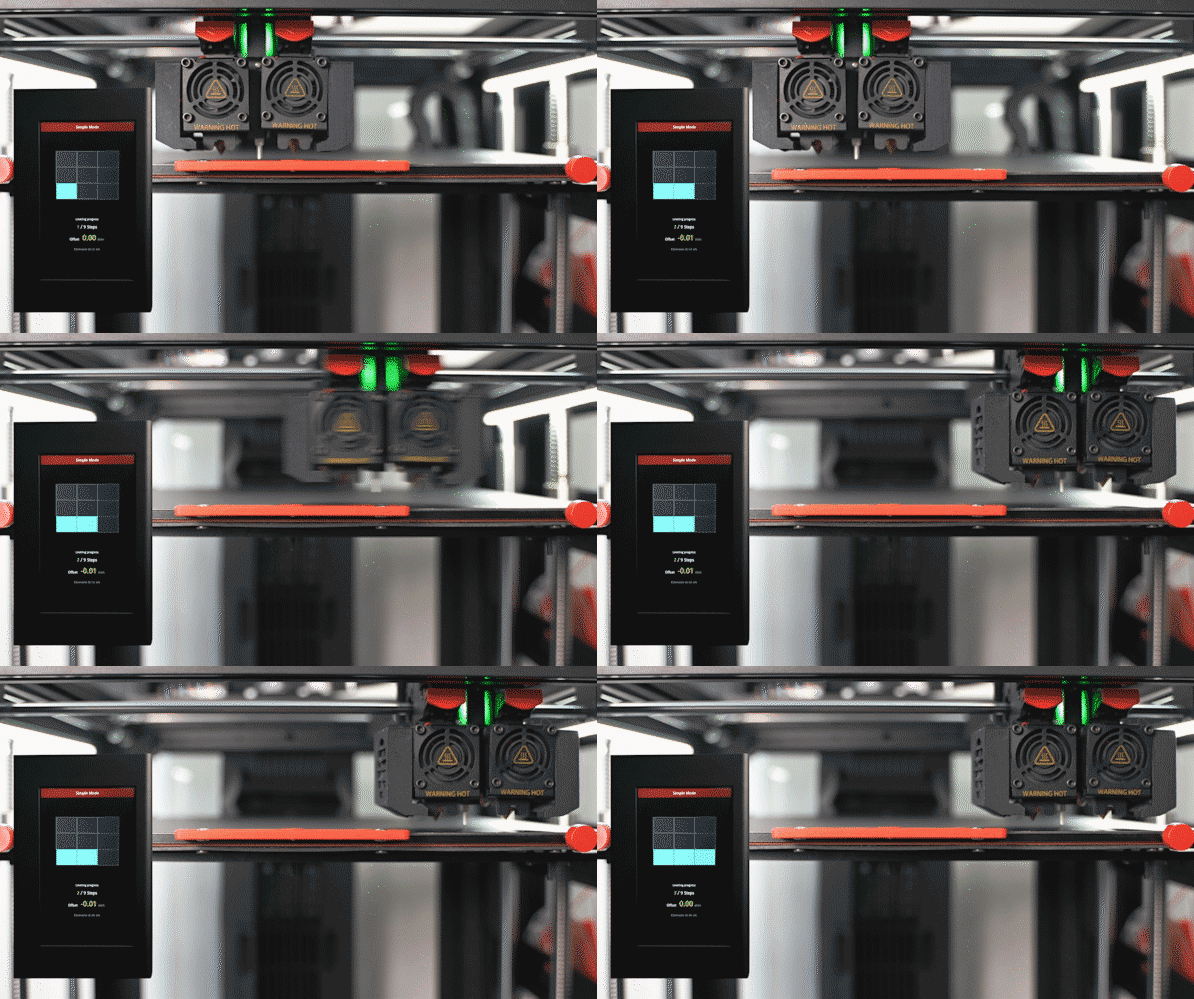
When the part’s size beats desktop printers, a large format fdm printer is the sensible industrial step. They give you bigger build volume and better part economy for large tooling substitutes, while still keeping the digital flexibility of a printer network. That said, large-format prints demand tuned extrusion rates, thermal management and sometimes different filament grades. Use heavier-gauge toolpath strategies for long spans and check warpage through controlled cooling cycles.
Performance trade-offs and measurable metrics
Comparing systems means tracking a few clear metrics: cycle time per part, cost per usable part, and first-time-right percentage. Cycle time blends print time with post-processing; cost-per-part factors material, labor and machine amortization; first-time-right measures how often prints meet spec without rework. Those numbers separate hopeful experiments from production-ready networks. Keep the test data tight—print test coupons, measure tensile strength where load matters, and log deviations to build a reliable baseline.
Scaling, governance and a real-world anchor
Distributed production scales with governance: validated print files, authenticated node certificates, and a central QC acceptance. The 2020 PPE shortfall showed this: hospitals and vetted makers pushed approved designs to local production hubs, reducing weeks-long procurement waits. Anchor that to your region—Texas-based service bureaus and manufacturing cells adopted similar playbooks, creating resilient local supply rings that eased logistic strain during the crisis.
Three golden rules for picking the right approach
1) Measure first: capture cycle time, material yield, and first-run pass rate before you scale a network. 2) Standardize profiles: a single validated slicer and toolpath set keeps nodes producing consistent parts. 3) Match form to function: use large-format builds for one-piece, low-assembly items and clustered smaller printers for higher redundancy. Apply these metrics consistently and you’ll spot whether tooling or printers win for a given SKU.
Local agility and reliable hardware win out in the long run—keep the control plan tight, validate often, and you’ll see the production benefits. — Raise3D.