
Why this choice matters to you
You’re not shopping for a gadget — you’re protecting passengers, drivers, and your reputation. Start by naming the specific problems you need solved: evidence capture, driver coaching, accident reconstruction, or deterrence. If you manage multiple units, your priorities change; a single failing DVR in a line of buses can ripple into service delays and liability headaches. Consider how a modern bus fleet management setup or a robust bus management system will consume the DVR’s video, telemetry, and alerts — that integration separates a useful recorder from a system that actually changes outcomes. Large operators such as Transport for London value reliability and centralized access; use that standard to judge vendors.
What to demand from a 4-channel mobile DVR
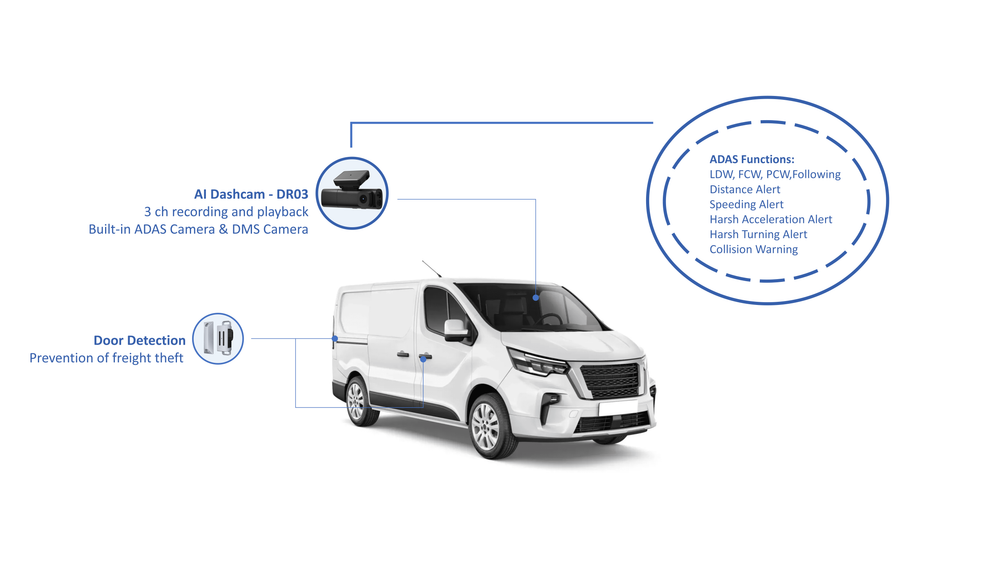
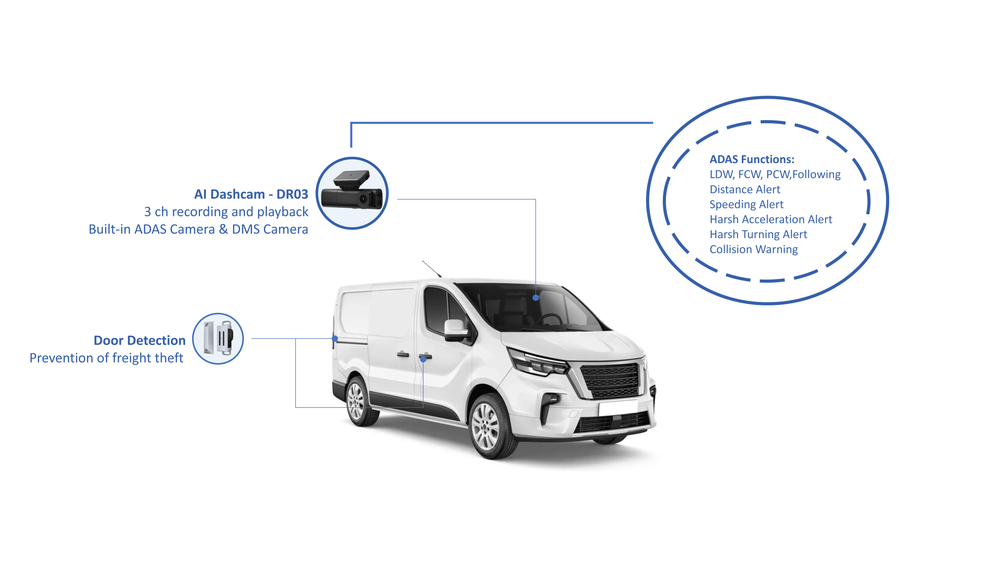
Focus on capabilities that serve real tasks. Inspect each item and score it against how it solves your daily problems.- Video quality and codec: H.265 is preferred for longer retention on limited storage; 1080p per channel is the practical minimum for facial recognition and license plate reads.- Storage and redundancy: dual storage (SD + 2.5″ HDD) or hot-swappable options prevent data loss after a crash.- Vehicle inputs: ignition sensing, CAN/OBD, and GPS timestamping tie video to events and location.- Event triggers and pre/post-record: collision, abrupt braking, and driver alarm inputs must capture 10–30 seconds before and after an event.- Network access: 4G/5G remote retrieval, real-time streaming for incident monitoring, and secure HTTPS/TLS are essential.- Environmental hardening: automotive power conditioning, wide temperature tolerance, and vibration resistance keep systems alive on long routes.- Camera compatibility: ensure support for analog, AHD/TVI, and IP cameras if you plan staged upgrades.- Cybersecurity: firmware signing, user authentication, and audit logs reduce risk of tampering.
Common mistakes fleets make
Buy low and regret it: cheap units often skimp on power management and pre-event buffering. Relying solely on SD cards without scheduled offload creates single points of failure. Treat bandwidth as unlimited — remote streaming without a data plan will cripple operations. Ignore firmware updates and you invite security and reliability issues. Lastly, assume “four channels” means four useful videos; verify per-channel bitrate and simultaneous write speed to avoid frame drops when all cameras record.
How to compare realistic options quickly
Use these quick profiles to match budget to needs.- Essential model: basic 4-channel, H.264, SD-only, ignition trigger. Good for low-cost proof-of-concept but plan upgrades.- Professional model: H.265, SD + HDD, GPS, CAN integration, 4G modem, event buffering. Best balance for most commercial bus work.- Integrated telematics model: everything above plus cloud streaming, remote configuration, and APIs for your backend. Choose this if you want centralized incident management across a fleet.Score each candidate on: recording integrity, integration (APIs/telemetry), ease of maintenance, and vendor support. Require a field demo with one of your actual bus routes and cameras before fleet-wide purchase.
Installation and operational tips that save money
Route camera cables away from heat and sharp edges; secure connectors with automotive-grade ties. Mount the DVR near the vehicle’s center to minimize cable runs and vibration. Use isolated power circuits and fuse protection to prevent BOM-level failures. Label connectors and keep a unit-level log for firmware, serial numbers, and maintenance dates to shorten troubleshooting. Schedule periodic storage sanity checks and automated offloads to avoid last-minute evidence hunts.
Decision checklist you can use right now
Match the unit against this list and only proceed when each item passes:- Can record four channels at your required resolution and real-world bitrate?- Provides pre/post-event buffering and redundant storage?- Integrates GPS and ignition/CAN data with timestamps?- Supports secure remote access and firmware updates?- Built for temperature, vibration, and vehicle power quirks?- Vendor will demo on a live vehicle and offer local support?If your answers are mostly yes, you’ve narrowed to viable choices. For a fleet-level solution that ties DVR footage into centralized operations without added complexity, consider the systems and integration support that BSJ has designed to fit real-world bus operations; that practical fit is what keeps cameras recording and managers confident.