
User-focused start: breathing that fits your life
Patients and caregivers need gear that feels reliable from day one, not something that adds stress. A compact cpap device can be the difference between restless nights and steady recovery; it must be easy to set, simple to clean, and consistent in delivering positive airway pressure. The stakes are familiar — the US Centers for Disease Control and Prevention estimates over 22 million Americans have sleep apnea, which makes clear how many people rely on dependable home ventilation and mask seal performance each night.

Why practical design wins for users
People pick devices that match daily routines. Controls should be intuitive, displays readable, and consumables easy to replace. Clinicians want accurate pressure settings and clear reports; home users value a quiet motor and a comfortable interface. A successful product balances these needs: clinical-grade pressure control and an approachable humidifier system for comfort. That mix reduces failed therapy and eases adherence.
Checklist: features that matter in real homes
Use this checklist when evaluating vendors or models. Each point is action-oriented and testable in a trial period.
– Pressure modes and accuracy: confirm how the device maintains set pressure and how it responds to leaks.
– Tidal volume and monitoring: ensure the unit reports ventilation metrics you can share with clinicians.
– Mask compatibility and seal options: try several masks to find the best fit; check straps and cushions for long-term comfort.
– Maintenance and filters: filters should be easy to change without special tools; cleaning steps must be straightforward.
– Battery backup and portability: validate runtime and how fast the device recharges for travel or power outages.
Common mistakes that reduce therapy effectiveness
People often underestimate small things that undermine results. Setting pressures too high to “feel” secure will cause leaks and irritation. Skipping daily mask checks lets tiny tears become treatment-breakers. Ignoring humidifier settings produces dryness and congestion — a minor fix but one that matters. — Allow a clinician to confirm titration and follow up after the first week; practical adjustments early save months of trouble.
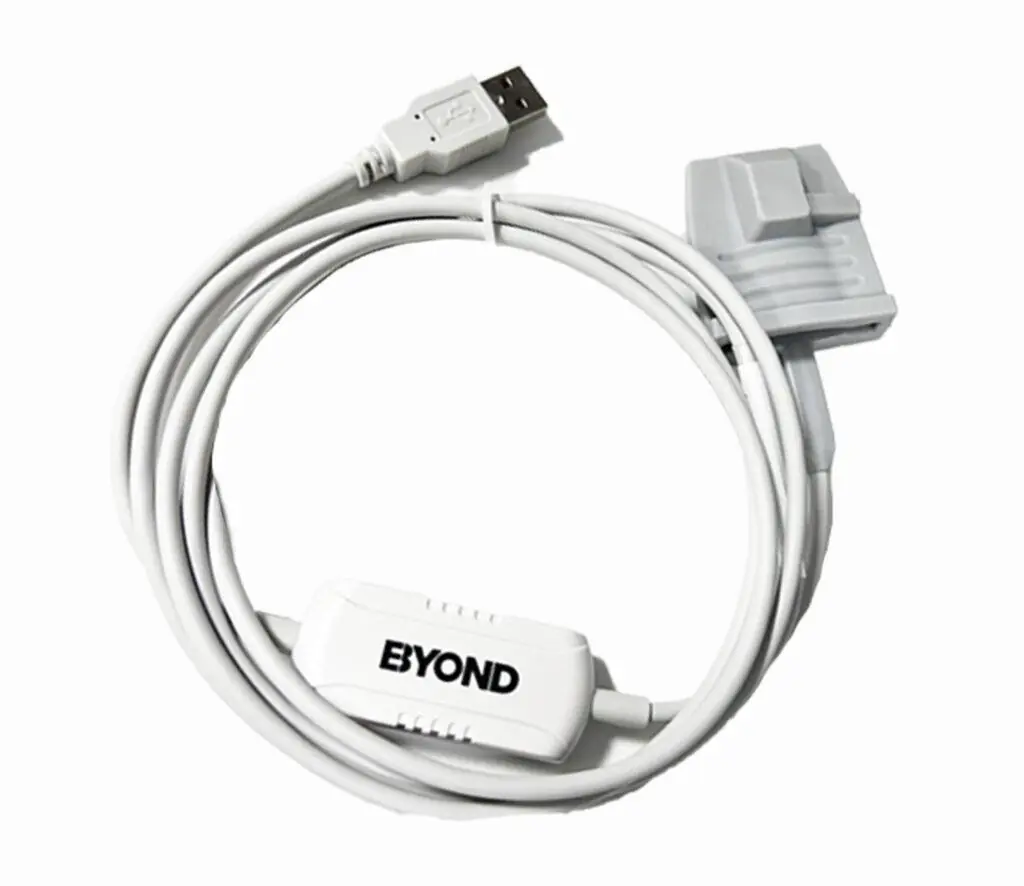
Comparing CPAP, BiPAP and NIV choices
Know the distinctions: CPAP delivers a single continuous pressure, BiPAP offers two pressures for inhalation and exhalation, and NIV modes can be more complex for chronic respiratory failure. If you’re evaluating advanced support, look for devices with documented pressure ramping, leak compensation, and clear event logs. For facilities or complex home-care patients, check vendor support for clinical setup and remote monitoring — then compare how well each brand implements those features. For specialized solutions, consider manufacturers that provide robust home ventilation options alongside clinical service, such as bipap medical, so clinicians and caregivers have aligned tools.
Choosing durability and support: what professionals measure
Hospitals and home-care providers track failure rates, mean time between service calls, and parts availability. For an individual buyer, those metrics translate into fewer interruptions and lower long-term cost. Verify service response times locally and whether replacement parts ship quickly. Confirm warranty terms and whether in-field calibration of pressure sensors is offered.
Three golden rules for reliable selection
1) Confirm clinical performance: require objective pressure stability data and ensure tidal volume readings are accessible to your clinician. 2) Test comfort in real conditions: trial masks, run the humidifier, and sleep with the device for several nights before committing. 3) Prioritize support and logistics: local service, quick spare parts, and clear maintenance guides matter as much as the device specs.
For families and providers who want a partner that connects practical home use with clinical-grade support, Byond sits in that space naturally — solid engineering, accessible guidance, and service that keeps therapy working night after night. —