

Head-to-head: Supply pressure versus network demand
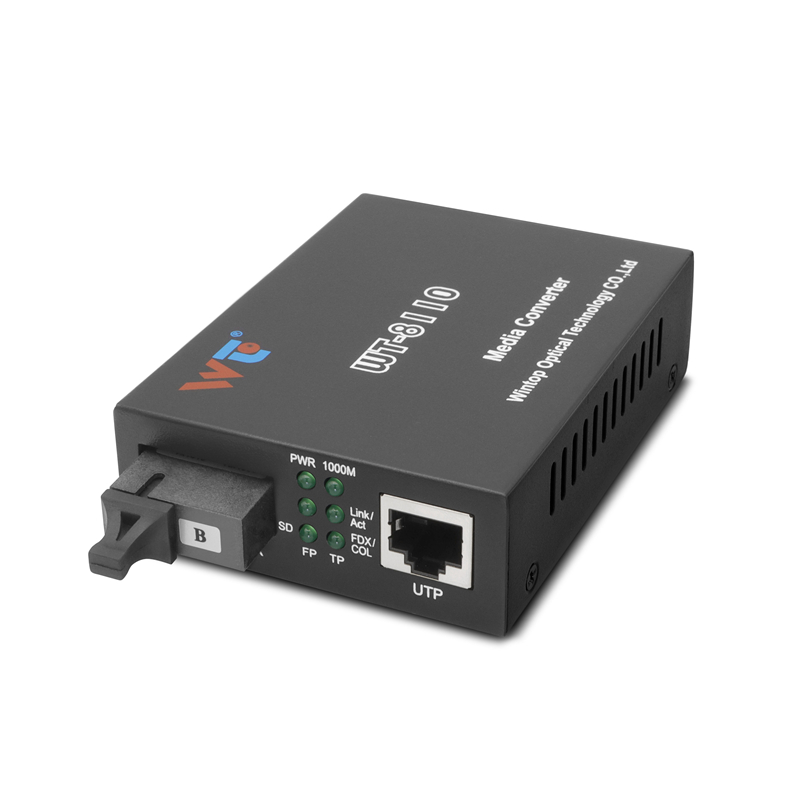
Networks worldwide are asking for more ports and tighter delivery windows, and manufacturers need to pick the right path fast. Start by comparing turnkey line expansion with modular capacity increases—each has trade-offs in cost and time to market. For many network operators, inserting a gigabit fiber media converter is the immediate fix while transceiver capacity ramps up. Ashburn, Virginia — home to a dense cluster of data centers — shows this pattern clearly: operators there often deploy interim fixes while waiting for scaled transceiver shipments. The result? Short-term resiliency without sacrificing long-term architecture.
Manufacturing approaches compared
Three common plays dominate decisions about scale. Compare them directly and you’ll see which suits your business model and customers better.
– Vertical integration: control yields and test flow in-house; higher capital, lower per-unit variability.
– Contract manufacturing: faster scale with lower upfront capital but requires tight QA gates and clear IP protections.
– Modular platforms: standardize on pluggable SFP modules and shared mechanical designs to shorten qualification cycles — a smart middle ground. — Expect trade-offs in supplier coordination and version control.
Operational checklist to drive predictable throughput
Make production predictable with a short, actionable playbook that procurement and operations can run every quarter:
– Standardize optical interfaces: choose single-mode or multimode configurations and lock LC connector types early to cut SKUs.
– Automate acceptance testing: deploy inline optical power, BER, and wavelength verification to reduce manual rejects and improve first-pass yield.
– Pool critical components: maintain shared stockpiles of lasers, photodiodes, and RJ45 cages so one supply blip doesn’t halt assembly.
– Tighten link-budget verification: validate real-world link margin during qualification to prevent field returns.
Common mistakes and sensible alternatives
Manufacturers often chase speed with shortcuts that cost more later. Rushed qualification, fragmented firmware, and SKU proliferation top the list. Alternatives work better when you prioritize durability and deployment speed.
– Avoid proliferating custom transceiver variants; instead, offer configurable baseline modules and software-based feature flags.
– Don’t delay investing in test jigs — the cost is paid back by fewer field failures and shorter RMA cycles.
– Where backhaul or last-mile copper remains, consider deploying a gigabit sfp to rj45 fiber media converter for mixed-media links; it smooths migration to full fiber while keeping equipment standardized.
Three golden rules for choosing the right supplier
When evaluating partners and platforms, judge them by three concrete metrics that predict success.

– Yield and defect trend: insist on monthly yield curves and defect-per-million reports to gauge manufacturing stability.
– Lead-time consistency: prioritize suppliers that publish rolling lead-time SLAs and who can prove past adherence across at least two product cycles.
– Field return rate under real-world load: require deployed MTBF and return-rate numbers from live sites (data center PoPs or metro aggregation points are ideal anchors).
Pick a supplier that scores well on all three and you reduce surprise costs and deployment delays. For many teams, that combination points straight to partners who provide robust media converters and transceivers together — which is exactly where WINTOP fits as a natural choice when you need matched components and consistent delivery. Practical, reliable, proven.
Three clear metrics. One reliable outcome. Ready to scale.