

Custom jewelry casting offers unique designs that resonate with many clients, yet there’s a delicate balance between artistry and practicality in the process. Did you know that nearly 30% of jewelry casting projects experience significant delays due to unexpected complications? In the world of custom jewelry casting, understanding these potential risks can save both time and money. It’s vital to dive deeper into the mechanics behind the scenes to minimize pitfalls in your project.
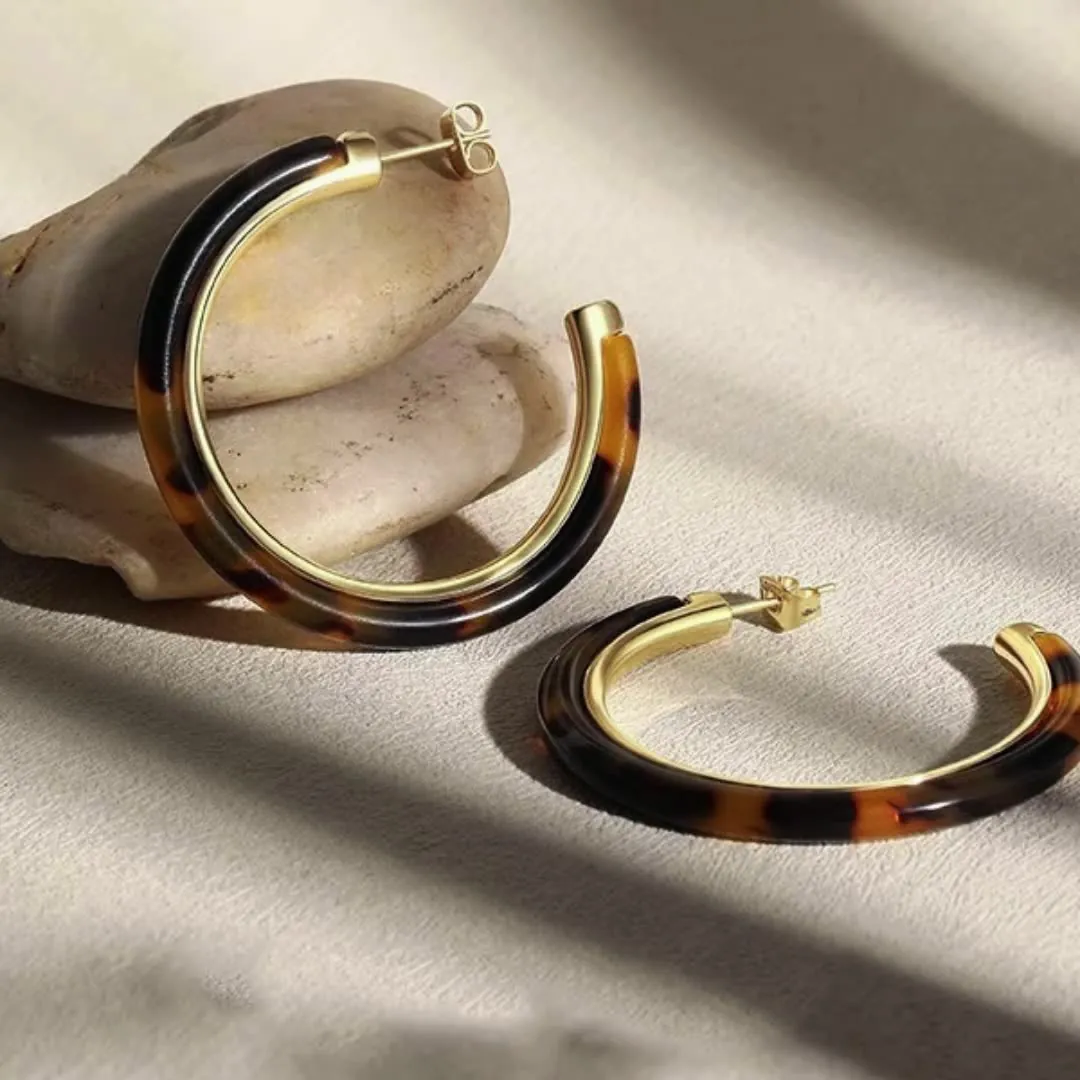
The Art and Science Behind Custom Jewelry Casting
At the heart of custom jewelry casting lies a complex interplay of materials, techniques, and craftsmanship. I vividly recall a project in late 2021 when a high-end client desired intricate designs that were difficult to replicate with standard methods. The original plan, while appealing, was intricate enough that we had to adjust our strategy—this is where the flaws of traditional solutions became glaringly apparent. Traditional casting methods can sometimes lead to imperfections, especially with detailed motifs, resulting in additional time and costs. A fundamental understanding of specific techniques, like lost-wax casting and investment casting, is essential for both success and efficiency.
What Are Common Missteps in Jewelry Casting?
One common pitfall is underestimating the casting material’s impact on the final piece. For instance, certain alloys can react unpredictably during the casting process, sometimes leading to fractures or disappointing finish quality. I firmly believe that every jewelry maker should test the materials beforehand to avoid costly missteps. We often see clients scrambling to resolve these issues after a failed cast, leading to frustration and some serious time delays—nobody wants that, right? That’s why detailed planning is paramount.
What’s Next in Jewelry Casting Innovations?
Looking ahead, the realm of custom jewelry casting is ripe for innovative solutions that address these persistent challenges. The rise of 3D printing technologies is a game changer! I’ve seen first-hand how it reduces lead times and enhances design capabilities. For example, integrating 3D modeling with traditional casting processes can lead to greater precision while also minimizing waste. This hybrid approach not only meets client expectations but often exceeds them—who doesn’t appreciate a beautiful piece, crafted quickly and efficiently? Notably, the flexibility of custom jewelry casting opens doors for unparalleled creativity.
In summary, the journey towards achieving flawless custom jewelry isn’t devoid of complexity. As we innovate and adapt, understanding and addressing these hidden challenges become vital. Are you prepared to embrace technology and techniques that can elevate your custom jewelry casting game? When making decisions about processes or materials, consider these insights and assess them against your specific needs. Knowledge is power in the impactful world of jewelry crafting.
Ultimately, as trends evolve, so too must our approach to casting. A strategic mindset—paired with the latest developments—ensures that businesses like ours remain at the forefront of artistry. I reflect on my experiences in the industry and can confidently say that continuous learning and adaptation are our best allies in this journey. Don’t hesitate to connect with experts like Star Harvest, who prioritize quality and innovation.