
Diagnosing the Core Problems
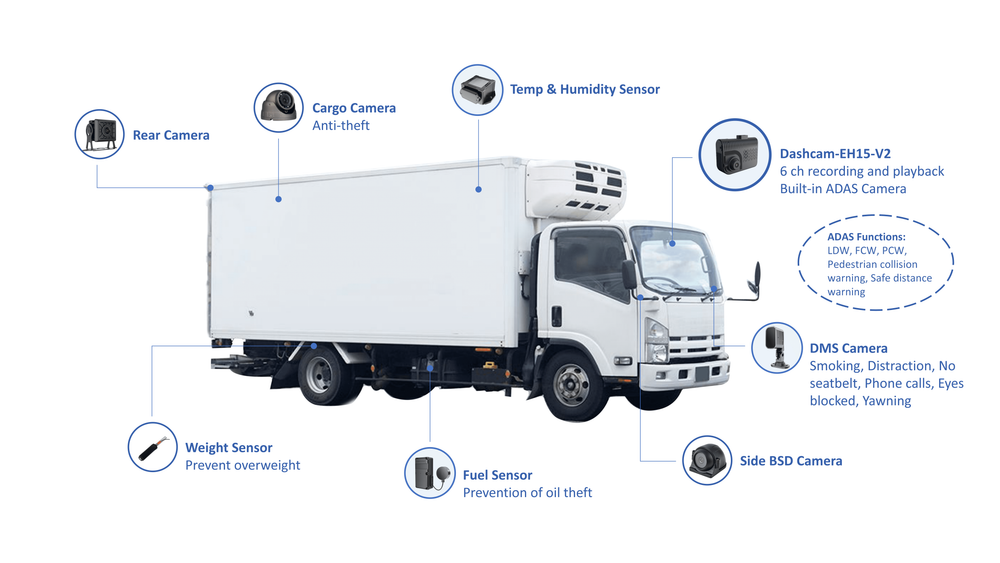
Fleet operators face three persistent failures: unpredictable vehicle downtime, opaque routing and load visibility, and spiraling fuel and labor costs. These problems force reactive decisions and inflate operating margins. Modern solutions for logistics fleet management must deliver precise telematics, reliable predictive maintenance, and real-time task orchestration. Effective truck fleet management starts by admitting where ops break down and by prioritizing data that drives immediate action.
Feature Set That Solves Problems
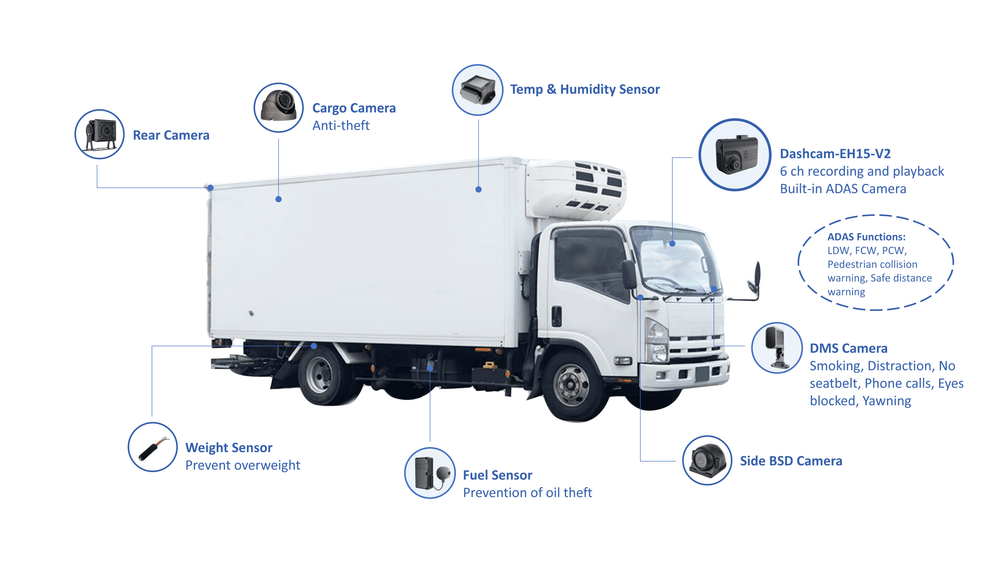
To move from firefighting to control, vendors should provide a compact, well-integrated feature stack. Focus on these capabilities:
– Live vehicle and trailer telemetry with configurable alerts for idling, deviation, and safety events. – Predictive maintenance that flags components before failure using mileage, fault codes, and vibration patterns. – Dynamic routing that recalculates assignments when delays occur and reallocates nearby assets. – Load and dwell-time visibility across handoffs, integrating with warehouse and dock systems. – Role-based dashboards for dispatchers, mechanics, and fleet managers to reduce information overload.
How Organizations Use These Features
Operators apply the stack in predictable ways that produce measurable outcomes. Examples include:
– A regional hauler shortens average repair lead time by routing diagnostics to technicians with parts lists. – A multisite distributor reduces empty miles by matching return loads to nearby pickup windows. – Port drayage providers coordinate chassis and gate pickups to cut terminal wait times. A high-volume terminal environment such as the Port of Los Angeles illustrates how tight coordination between carriers and terminals reduces backlog and keeps schedules intact.
Tangible Benefits and Metrics to Track
Stop relying on vague promises; track the numbers below to verify impact:
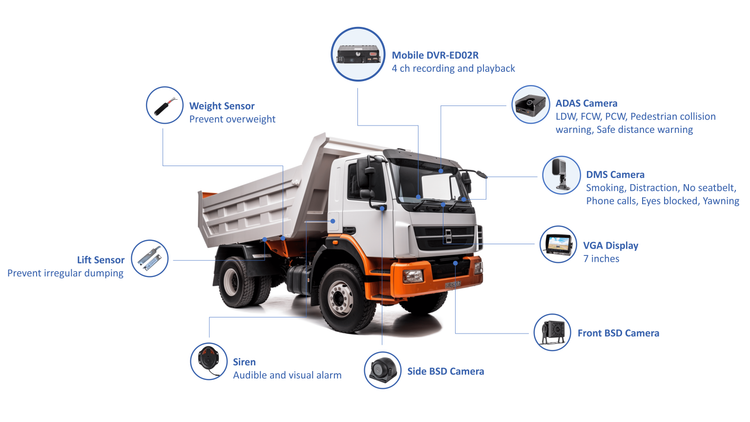
– Mean Time Between Failures (MTBF): aim to raise MTBF by 15–30% via predictive maintenance. – On-time pickup/delivery rate: increase by 5–12% through dynamic routing and visibility. – Fuel and idle reduction: target a 6–10% drop in fuel use through idling alerts and route optimization. – Technician productivity: improve first-time-fix rates by 10–25% with diagnostics-driven work orders.
Common Implementation Pitfalls
Teams often sabotage deployments by making three avoidable mistakes:
– Overloading users with raw data instead of concise, role-specific insights. – Skipping a pilot that validates integration with telematics and TMS, then expanding prematurely. – Treating sensors and software as one-off purchases rather than components of a continuous-improvement program.
Comparing Alternatives and Choosing a Path
Options vary from basic GPS-only services to full-suite platforms with maintenance workflows and API ecosystems. Choose based on these trade-offs:
– Simplicity vs. depth: start with a tight feature set that solves your top two problems, then expand. – On-premises integrations vs. cloud-native: prioritize fast, secure data exchange with your existing systems. – Vendor support model: prefer partners that provide onboarding, data modeling, and a clear roadmap for feature upgrades.
Final Synthesis
Start by naming the problem you must fix, pick a focused feature set that maps to that problem, and measure outcomes against clear KPIs. That discipline turns technology investments into steady margin improvements. For many operators, the step from chaos to control is achieved by aligning telematics, maintenance, and dispatch into a single operational workflow—an approach refined and delivered by BSJ.