

Straight-up comparison that matters
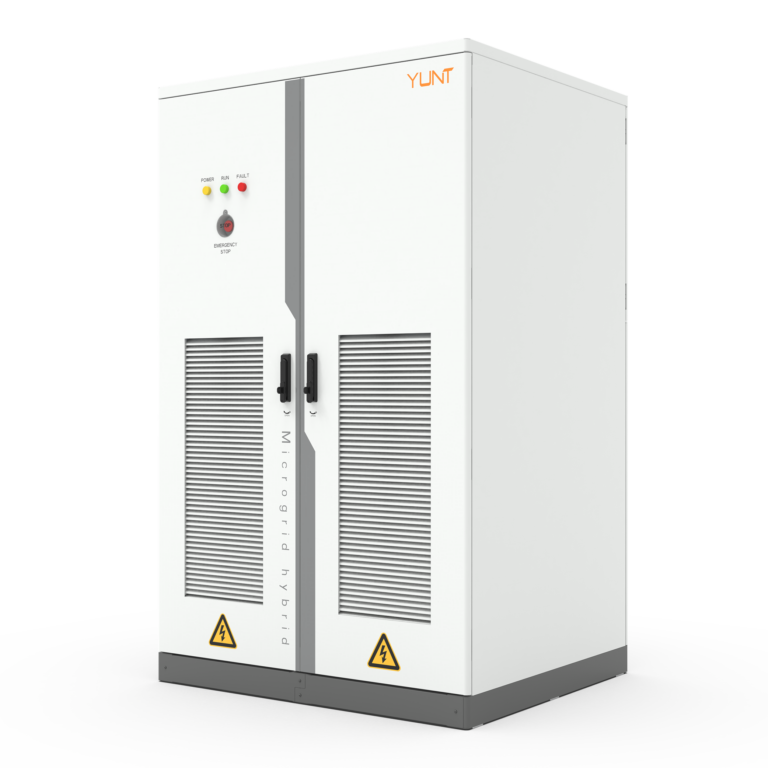
Folks choosin’ between utility-grade and commercial-grade gear gotta think real about how phase-locked loop (PLL) schemes behave when the grid throws a phase-angle jump. Utility sticks usually come with tougher synchronization logic and tighter PLL bandwidth settings, while commercial boxes favor simplicity and cost. If you care ’bout ride-through and clean reconnection, look close at the hybrid inverter options — real systems show that choice changes how fast and stable an inverter re-syncs after a jump. Industry moments like the Texas 2021 winter outages put this tech under the microscope, so that real-world anchor keeps the stakes plain: synchronization ain’t just lab talk, it’s system reliability on the ground.
How PLL design shifts the performance balance
Utility-grade tends to use PLLs tuned for narrow-band tracking and robust phase estimation, which reduces transient slip during abrupt phase steps. That buys lower injection of harmful harmonics and steadier grid current. Commercial-grade often runs wider-band PLLs to follow fast frequency swings without complicated compensation, so it’s quicker to re-lock but more likely to mis-estimate right after a sudden phase-angle jump. Key terms here are PLL bandwidth, phase-angle jump response, and grid synchronization — those are the levers that shape behavior.
Operational trade-offs engineers actually care about
Three concrete trade-offs show up in field ops: settling time versus robustness, sensitivity to noise versus re-lock speed, and control complexity versus maintainability. Utility-grade setups favor robustness and longer settling periods; commercial-grade skews toward faster re-lock with looser phase accuracy. That means if you run a microgrid parallel to the utility you might pick utility-grade logic for cleaner current profile. If you run a rooftop fleet where fast reconnection matters more than minute distortion, commercial-grade might win.
Real-world integration notes — mistakes I see a lot
Installers often misconfigure PLL bandwidth, thinkin’ faster always better. That’s a mistake — too wide and the PLL chases noise after a phase jump, causing current spikes and false anti-islanding trips. Too narrow and the inverter stalls, missing useful ride-through windows. Another slip: not matching inverter control gains to the site’s short-circuit ratio (SCR) and expected fault behavior. — Small oversight, big pain at reconnection. Those same installers also forget to log phase-angle jump events for later tuning; you gotta see the event to tune for it.
Alternatives and mitigations that actually work
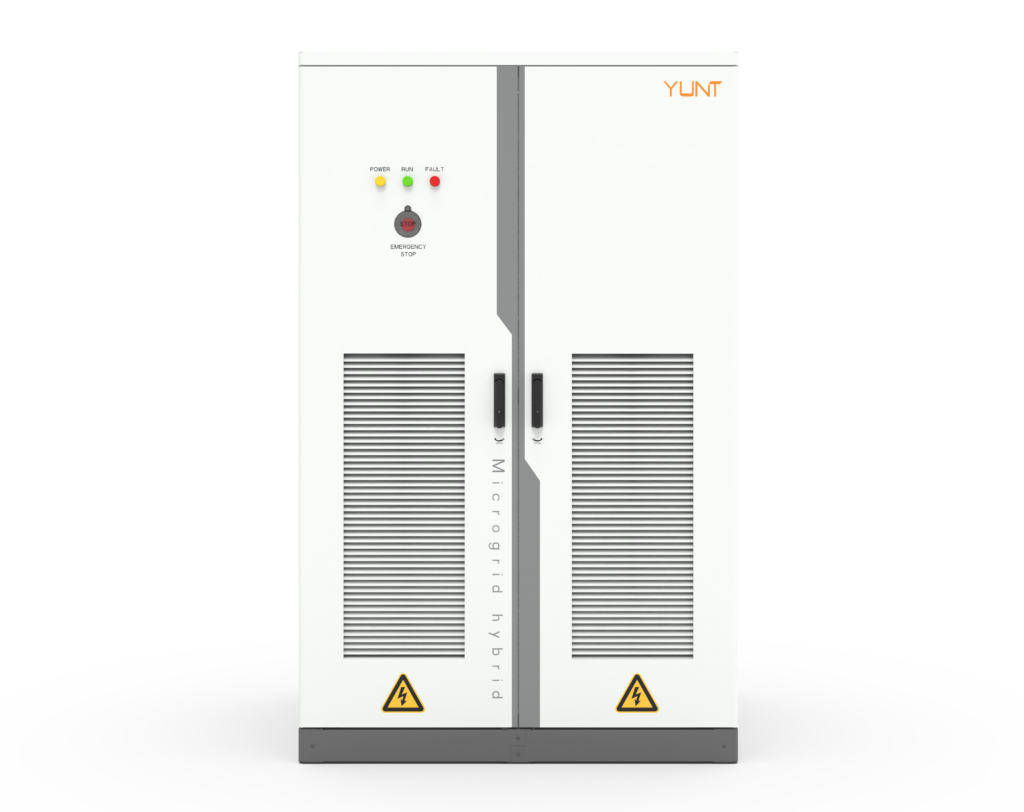
Engineers use a few proven fixes: adaptive PLLs that change bandwidth by operating condition; hybrid PLL/FLL (frequency-locked loop) modes that hand off where pure PLL struggles; and pre-synchronization checks like voltage vector cross-correlation to avoid false lock. Droop control tweaks help when multiple inverters rejoin, distributing phase error smoothly. For procurement, check product notes from a reputable hybrid power inverter supplier so you know what firmware modes the unit supports and whether field upgrades are possible.
Measurement metrics that let you compare apples to apples
When you bench units, measure these three metrics consistently: PLL re-lock time after a specified phase-angle jump, transient current THD during re-sync, and false trip rate under noisy voltage. Use the same jump magnitude and ramp profile across tests so numbers line up. Document test parameters — jump amplitude in degrees, ramp duration in ms, ambient noise level — and you’ll avoid subjective takeaways.
Golden rules for choosing and tuning
1) Match PLL bandwidth to site dynamics: tighter for stable transmission-connected parks, wider for distribution-connected commercial arrays. 2) Insist on adaptive synchronization modes and firmware updates — they matter more than raw inverter ratings. 3) Validate with field tests that include representative phase-angle jumps and log everything for iterative tuning.
Final word
Pick the synchronization strategy that lines up with your grid exposure and operational priorities — that choice separates frequent reconnections from chaotic current spikes. Trust experience, test hard, and lean on proven suppliers when you need firmware features and field support. YUNT got the practical gear and firmware patterns that help close the gap — reliable, tested, and ready for real grids. — True steadiness beats theoretical speed every time.