

Practical problem—what I actually see on installs
I once showed up to a finished rooftop job in Phoenix where the homeowner paid extra for a stacked system (battery storage, dual inverters, advanced monitoring) and still lost hot water during a two-day outage—he spent $450 on hotel rooms that month; could a leaner setup have kept the essentials running? Early on I start conversations by recommending a focused Home Energy Solution that prioritizes critical loads. I say this because I’ve been on over 500 residential projects since 2007 and I see the same pattern: people over-spec systems to chase full grid independence, then pay for complexity they rarely use.

What’s the real problem?
Here’s the deeper layer: installers and shoppers confuse features with resilience. A large PV array plus oversized inverter and a big battery bank look impressive, but they introduce more failure points—complex commissioning, brittle firmware interactions, and maintenance headaches (no kidding). I vividly recall an October 2019 job in Austin: a 6.5 kW PV array with a hybrid inverter and a 10 kWh lithium-ion battery that could have been simpler. We over-complicated the design at first; commissioning took three extra days and the homeowner saw no measurable benefit during typical cloudy weeks. Faulty settings meant the battery rarely discharged when it should have—wasted capacity, wasted money. The traditional fix—more features—was exactly the wrong direction. The industry terms here matter: inverter tuning, PV array orientation, and battery depth-of-discharge all change outcomes. I believe practical simplicity—right-sized PV, a reliable inverter, and modest battery storage targeted at essentials—reduces downtime and lifetime cost.
Transitioning from diagnosis to action, read on for how to compare systems practically.
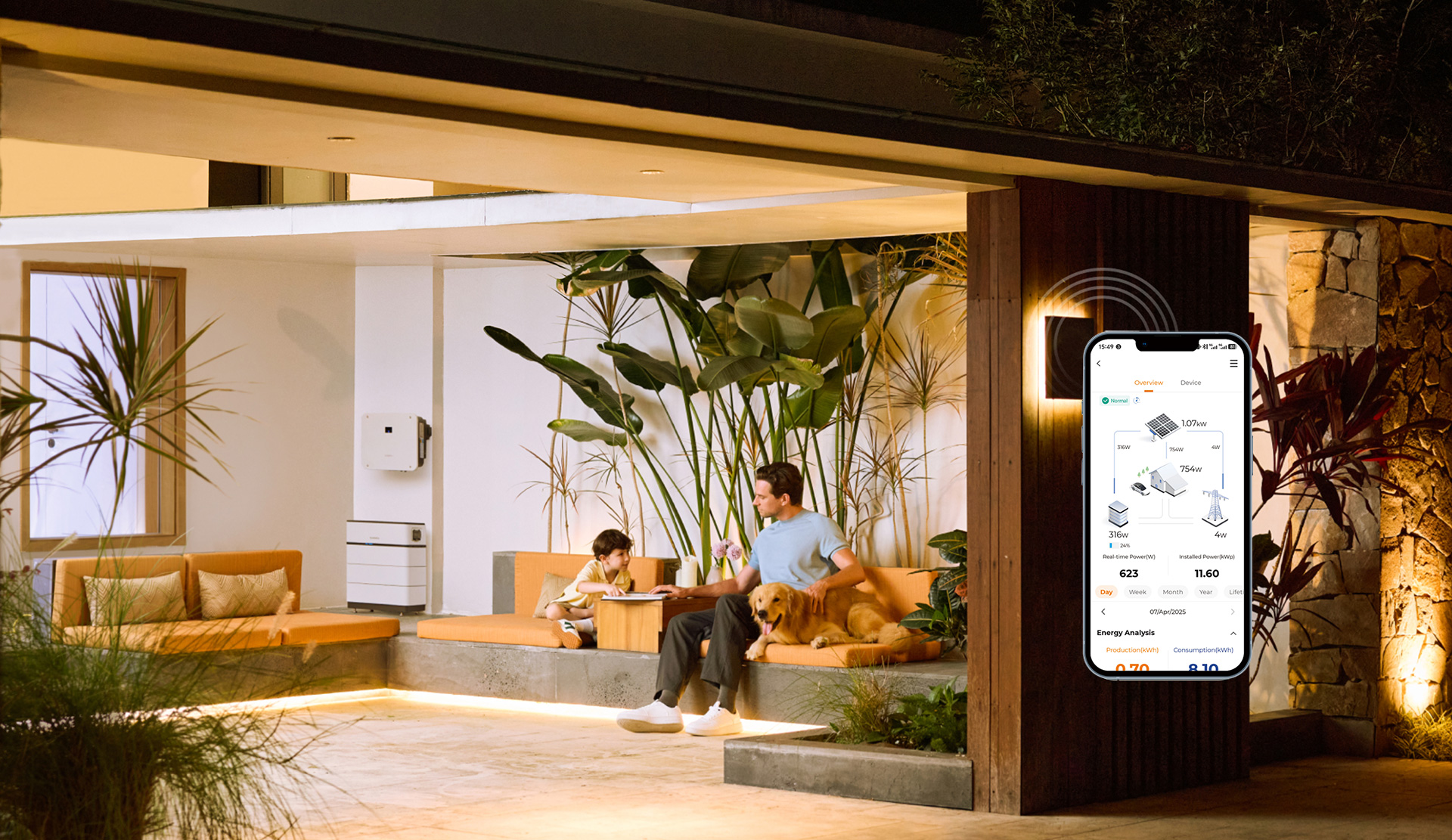
From diagnosis to choice: metrics that keep systems simple and dependable
Now I shift tone and get technical—precise criteria beat marketing claims. When comparing options, evaluate three concrete metrics: usable energy (kWh delivered to loads after inverter/battery losses), cycle efficiency (battery round-trip efficiency), and fail-safe behavior (island mode behavior during outages). For example, a 5 kWh usable battery with 90% round-trip efficiency is preferable to a nominal 8 kWh unit with 70% efficiency because you get more delivered energy per dollar. I recommend testing a system’s island startup time—if it takes over 20 seconds to restore critical circuits, that’s not resilience. Also check net metering and local interconnection rules; they affect financial payback and therefore sizing decisions. Right—here’s how I approach a build: list critical loads, calculate the minimum kWh to keep them running for 24–48 hours, size the PV array to recharge that energy over typical sun-days, and select an inverter that supports straightforward islanding and simple firmware updates. Wait. Don’t forget cabling and breaker capacity—undersized AC runs defeat even the best components.
What’s Next?
To wrap up with actionable measures: 1) prioritize critical-load continuity over full-grid independence, 2) prefer systems with documented island-mode behavior and simple commissioning steps, and 3) size for usable energy and efficiency, not headline kWh numbers. Those three evaluation metrics—usable energy, cycle efficiency, and fail-safe behavior—will steer you away from overbuilt systems and toward lasting value. I write from hands-on experience; in one suburban retrofit I reduced cost by 28% and cut outage exposure by half simply by downsizing the inverter and re-targeting the battery for essentials. Short interruptions happen. You adapt fast. For anyone serious about dependable home power, consider a focused Home Energy Solution and evaluate with these metrics first. Final note: I stand by practical simplicity—it’s measurable and repeatable. sungrow