
Introduction — Why the charging hub still feels broken
Have you ever wondered why a quick stop at a charger often turns into a half-hour wait? (I have.)
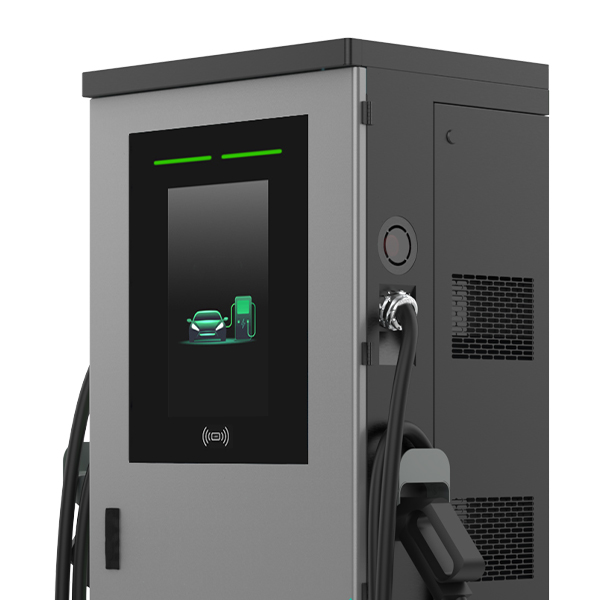
As more drivers switch to electric cars, I see the strain on public infrastructure: an all-in-one charging station advertised as convenient but too often congested, slow, or confusing. Recent data shows EV adoption rising fast—charging points lag behind—and that gap creates real stress for drivers and operators alike. What exactly is failing at the station level? That’s the question I want to answer, and I’ll do it plainly, with facts and a few judgments.
I’ll walk through the obvious and the hidden faults, then map out practical fixes. Expect terms like power converters and edge computing nodes to crop up — they matter. Next, I’ll dig under the hood and show where the real pain lives, so we can move toward better choices.
Part 1 — Where traditional solutions break down (technical take)
high power ev charger systems were sold as the simple answer: one cabinet, multiple outputs, plug-and-play. In practice, I’ve watched these units hit limits fast. The electrical design assumes steady demand; it fails under bursty loads. That means DC fast charging ports get starved when several cars pull power at once. The result? Bottlenecks, heat issues, and unhappy customers.
Technically speaking, many deployments rely on a single power stage and minimal load balancing. That centralization reduces redundancy. When a converter falters, multiple outlets go down — cascading failure. Also, thermal management is often an afterthought. If you don’t move heat away, efficiency drops and service interruptions rise. Look, it’s simpler than you think — you can feel the difference at the site.
So what are users actually feeling?
Drivers tell me they face unclear status screens, unpredictable queue times, and occasional complete shutdowns. Fleet managers complain about service windows and repair cycles. For operators, the hidden cost is downtime and lost trust; for drivers, it’s time and range anxiety. I’ve found issues around communication protocols too — legacy CAN systems that don’t scale, and weak smart metering integration that prevents dynamic pricing. These are not headline topics, but they shape everyday experience—and they’re fixable if you design with redundancy and edge logic in mind.
Part 2 — Moving forward: principles and practical steps
I want to be forward-looking here. We can apply new principles to reduce those failures. Start with modular design: separate power stages, add redundant power converters, and introduce load balancing at the local level. That reduces single-point failure risk. Pair that hardware with edge computing nodes to handle session coordination close to the charger — this improves response time and reduces central server load. The shift is not glamorous but it matters.
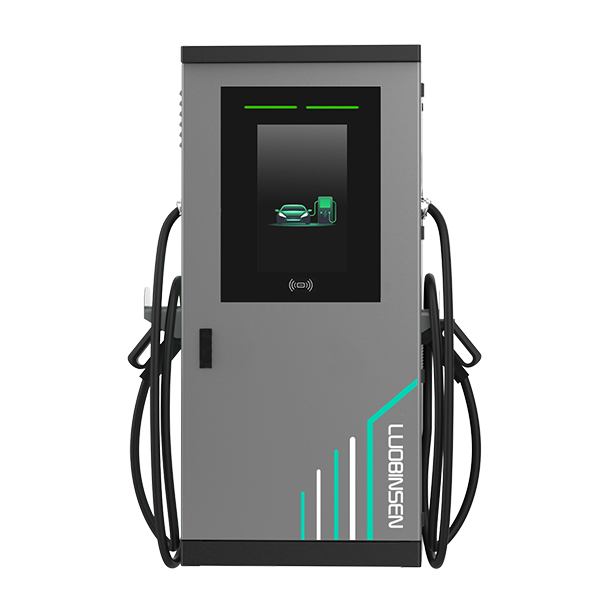
Next, integrate smarter thermal controls and predictive maintenance. Sensors can track temperature and component drift; then analytics flag parts before they fail. This avoids the sudden outages we both dislike. Also, consider supporting bidirectional charging where relevant — it adds complexity but unlocks grid services, backup power, and revenue streams. — funny how that works, right?
Real-world tech mix?
In short: modular power, local intelligence, and targeted sensing. Those three moves knit together to make the station reliable. I’ve seen pilot sites cut downtime by half when they combine better thermal design with edge-driven load balancing. The point is pragmatic: build systems that tolerate faults gracefully, not ones that require heroic maintenance to survive.
Part 3 — How to evaluate next-generation charging hubs (advisory close)
When I assess an ev charging machine, I look for measurable traits. First, modularity: can a failed module be swapped quickly? Second, intelligence: does the unit use edge computing to balance loads and update locally? Third, maintenance data: are there predictive sensors and clear telemetry? Those are the core metrics I use, and I recommend you use them too.
Beyond that, check thermal margins, connectivity options, and support for DC fast charging protocols. Ask vendors for real uptime statistics and service turnaround times. Compare warranty terms carefully — not every seller stands behind field repairs equally. I tend to favor systems that let operators replace parts on-site; that lowers real-world downtime.
Three quick evaluation metrics I trust: 1) Mean time to recovery (how fast a unit gets back online), 2) Effective power sharing (how well the system divides available kilowatts), and 3) Data accessibility (how easy it is to pull logs and use them). Use these to score options, and you’ll pick a system that works on the street, not just on paper. — and yes, customer experience improves measurably when these are in place.
To wrap up, I believe sensible engineering and honest metrics will turn many broken stations into dependable assets. I’ve walked those sites, talked to drivers and techs, and seen small design changes make big differences. If you want a partner working from real-world tests and a clear checklist, consider vendors who show field data and repair paths. For a place to start, see Luobisnen