
Problem statement: constrained growth vectors for pergola dealers
Dealers selling outdoor structures face three parallel constraints: limited SKU scalability, slow field installation, and low-margin conversions on value-add features like integrated solar. The explicit fix is product-level standardization that anticipates electrical integration—specifically modular photovoltaic pergola options that reduce on-site customization. When product variants are engineered to accept a fixed set of PV subassemblies and wiring harnesses, sales cycles compress and repeatable installation times fall predictably.

Technical bottlenecks that block scale
Inventory proliferation is a cost driver: every bespoke beam, bespoke rafter, or ad-hoc inverter selection creates spares and return logistics. Field labor variability is a second bottleneck; inexperienced crews add hours and call-backs. Third, thermal and electrical performance verification is often manual and inconsistent. Address each with engineering controls: limit pergola frame variations to three load-rated models; standardize junction-box locations; specify a single MPPT inverter family for 95% of cases; publish torque and sealing specs. Measurable targets: reduce average install time from 6–8 hours to 2–3 hours, decrease spare-part SKUs by 50%, and cut first-year performance deviations under 5% with factory-validated PV mounts.
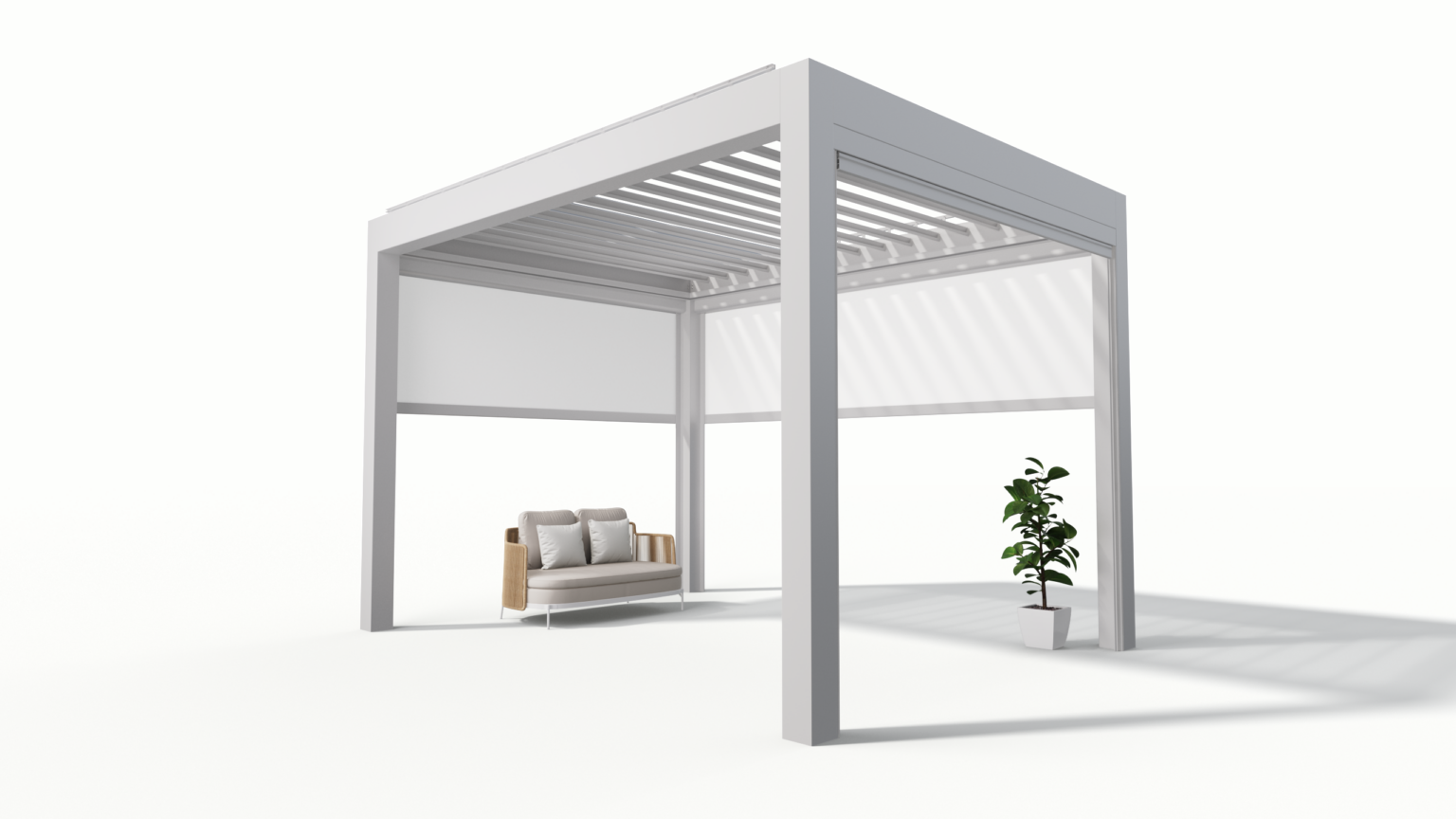
EEAT and a single real-world anchor for credibility
Field experience matters: protocolized factory testing, site-commissioning checklists, and third-party certification drive trust with commercial and residential buyers. Global capacity context reinforces demand—IEA data shows utility and distributed PV deployment exceeded 200 GW new additions in 2023, underscoring rooftop and canopy market traction—so designing for roof-like attachment and electrical compatibility makes sense for pergola lines. For design reference and specification alignment see the solar roof pergola documentation and accessory list embedded in product datasheets (solar roof pergola). Engineers should record commissioning logs, thermal imaging results, and measured I–V curves to support warranty claims and to shorten dispute resolution.
Operational blueprint: product, process, people
Product: adopt modular PV subframes sized to match three structural spans; prewire harnesses with labeled MC4 connectors; supply a single inverter with remote telemetry. Process: create a digital quoting tool that maps client geometry to standardized kits; include factory preassembly for complex junctions; require a 20-point on-site checklist for electrical bonding, grounding, and condensate drainage. People: certify crews with a two-day technical course plus a supervised first-install probation. Metric-driven KPIs: kit-to-install lead time, install hours per crew, first-year energy yield vs. predicted yield.
Common pitfalls and their engineering mitigations
Skipping mechanical load verification. Fix: always calculate wind and snow loads for the pergola+PV assembly and publish design sheets. Overlooking DC isolation and rapid shutdown. Fix: incorporate NEC-compliant rapid shutdown hardware into the kit. Ignoring thermal expansion and sealing. Fix: use sliding PV clamp tolerances and gasketed junction interfaces. Failing to collect field data. Fix: mandate telemetry or a simple data logger on every system for the warranty period.
Final synthesis: a scalable solution path and partner role
Dealers convert scale problems into engineering tasks: define constrained product families, push preassembly to controlled environments, and instrument every installation for performance verification. That approach reduces variation, limits spare inventory, and raises buyer confidence. Choosing suppliers that document structural load cases, provide prewired PV modules, and back systems with commissioning data integrates directly with dealer workflows; that practical alignment is central to how Light Hunter positions its pergola-integrated solar systems within dealer ecosystems, delivering the standardized components and technical documentation dealers need to grow reliably.