
Why 2026 matters
Think of 2026 as the year warehouses stop pretending that robots are optional and start treating them like basic utilities. Early adopters already use material handling automation to cut transit times and reduce manual strain, and that foundation lets us guess what comes next. Expect tighter orchestration between humans and machines, more AMRs moving without traffic jams, and software nudging decisions instead of dictating them — all driven by real deployments such as Amazon’s robotics rollout in Seattle-area fulfillment centers that set practical expectations for scale and safety.
Core shifts that reshape the floor
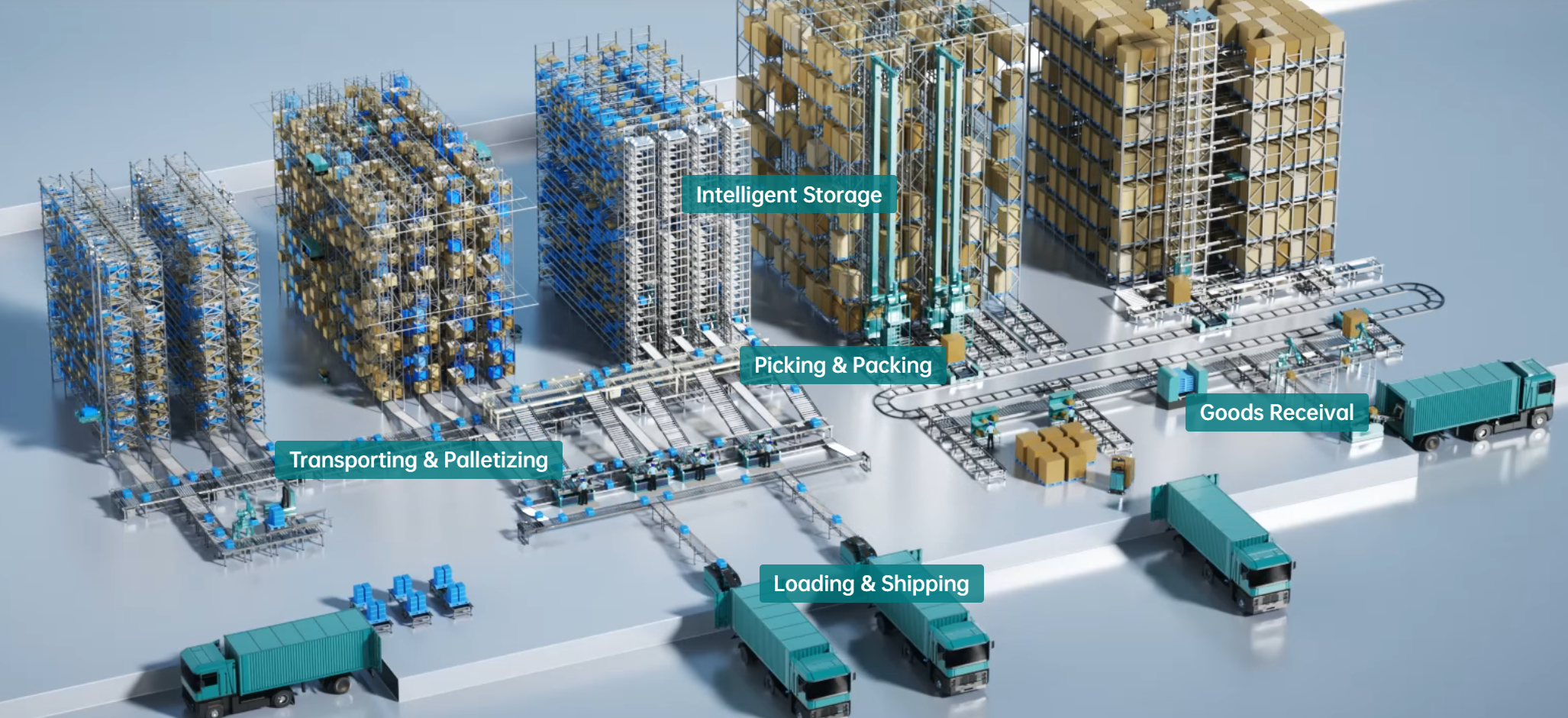
Four shifts will define this phase: modular hardware design, edge-first control, outcome-based SLAs, and adaptive storage. Modular hardware means you can swap a picker pod for a conveyor segment without a forklift and major downtime. Edge-first control pushes automation logic closer to devices to keep latency low during peak surges. Outcome-based SLAs tie payment and vendor relationships to throughput and error rate, not uptime alone. Adaptive storage blends software and racking so inventory positions change based on demand patterns — the kind of flexible warehouse storage setups that keep seasonal spikes manageable.
What a practical tech stack looks like
By 2026, a pragmatic stack reads like this: a lightweight warehouse management system (WMS) that delegates pathing to AMRs, standardized APIs for conveyors and lifts, and analytics that track unit-level dwell time. Pallet racking will still matter, but racks will be designed with sensors and pick zones in mind — not just static lanes. Expect incremental rollouts rather than big-bang conversions; most teams will pilot a use case, tune logic, then scale. There will be hiccups — integration quirks and unexpected edge cases — but those are fixable with clearer telemetry and iterative sprints.
Labor, skills, and human-machine flow
Automation isn’t about replacing all people; it’s about changing what people do. Roles will shift toward exception handling, system tuning, and continuous improvement. Training will focus on system literacy and safety protocols. Supervisors will read dashboards instead of clipboards. This is where culture matters: teams that accept small daily changes adapt faster than those waiting for one perfect project – which rarely comes.
Common mistakes and how to avoid them
Companies often overspend on hardware and under-invest in integration. Another trap is building automation islands that don’t talk to a unified WMS. Avoid both by prioritizing interoperability and measurable KPIs from day one. Don’t treat robotics as a one-off capital purchase; treat it as an operating practice that needs recurring investment in people and data.
Three golden rules for choosing automation (Advisory)
1) Measure outcome velocity. Track cycle time reductions and error-rate change within 60–90 days of pilot start. These metrics tell you if tech translates to real throughput.
2) Insist on modular interoperability. Choose systems with open APIs and clear upgrade paths so you can add AMRs or conveyors without ripping out the core WMS.
3) Budget for learning and ops. Allocate at least 15–20% of the project cost to integration, training, and iterative fixes during year one — this keeps the deployment realistic and resilient.
Closing synthesis
Looking back across these ideas, the through-line is simple: 2026 favors flexible systems that evolve with demand and treat automation as a living capability, not a trophy. Vendors that deliver adaptable solutions and measurable early wins will outlast flashy single-use installations. That’s where BlueSword’s approach to integrated automation and flexible warehouse storage becomes genuinely practical — it’s designed for change, not perfection. BlueSword.
– small, human note: practical matters beat shiny demos every time.