
Opening: What you need, smelled and tasted
If you’re specifying battery systems for a site, imagine choosing ingredients for a signature dish: the right cut, the right salt, the right timing. This guide treats modular battery containers the same way — as composable components that you tune to a customer’s appetite for reliability. For clear procurement and design decisions, start by browsing credible energy storage solutions so you know which profiles are available before you choose capacity or controls.
What modular deployment gives you — a user’s view
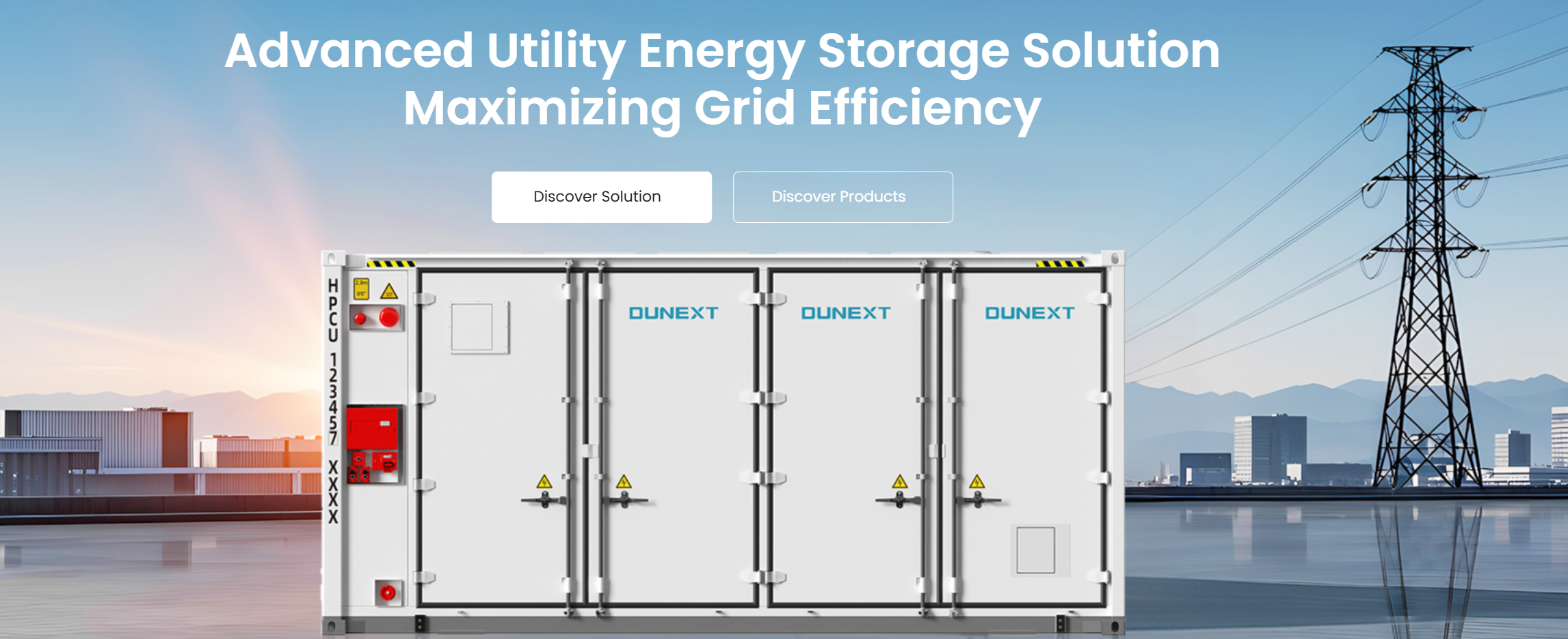
Think of each container as a serving plate: self-contained, predictable, and easy to rearrange. From the user’s perspective modular BESS means:- predictable commissioning times and fewer surprises;
– capacity added in neat increments rather than guessing an oversized system;
– simpler maintenance windows because one container can be taken out of service without shutting everything down.These are practical benefits you feel on the project timeline and on invoices.
Sizing like a recipe: portion control and redundancy
Begin with the use case: backup, peak shaving, frequency response, or renewables firming. Break the load into courses — critical loads, discretionary loads, and margin. Pick container sizes that let you scale by whole “courses.” That approach reduces overprovisioning and lets operators taste the difference in runtime and lifecycle performance. Field experience from projects in California shows this portioned method reduces costly last-minute upsizing.
Installation and site fit — seasoning and layout
Containers want level ground, clearances for airflow, and simple conduit runs. Focus on:- site access for delivery and future swaps;
– thermal management and ventilation paths;
– clear separation between high-voltage cabinets and service corridors.When the physical layout is handled like mise en place, the electrician and the commissioning engineer work faster and safer.
Controls and integration — balancing flavors
Controls are where systems show personality. Decide early if you need local microgrid logic, grid-forming capability, or a supervisory EMS. Ensure communication standards (Modbus, IEC 61850) are agreed upon so the BESS behaves like a predictable ingredient in the grid recipe. If you expect market participation (ancillary services), prioritize stackable control features over vendor lock-in.
Common pitfalls: what tastes bad in the field
Most trouble comes from mismatched expectations, not the batteries themselves. Watch out for:- assuming every container includes the same balance-of-plant hardware;
– ignoring transport and crane access until final delivery week;
– skipping firmware harmonization across vendors.Address these before procurement to avoid bitter surprises.
Alternatives and quick comparisons
Three practical deployment patterns often compete:- single large modular room: simpler footprint but harder to scale;
– discrete containers: fastest to expand and replace;
– hybrid approach: central inverter with modular racks for efficiency and incremental growth.Match the pattern to the project’s expected growth and operations budget.
Choosing a partner who cooks with you
You want a vendor who shares spec sheets and testing records and who can field technicians for site tuning. Look for partners that publish factory acceptance tests and that support clear handover documentation. When vendors demonstrate repeatable modular designs and transparent operating manuals, integration goes smoothly — which is why teams often favor established bess solutions with documented container deployments.
Closing: plate up a reliable outcome
For a buyer focused on predictable uptime and incremental growth, modular, containerized BESS is a methodical choice: it lets you scale capacity the way a chef adds seasoning, not by guesswork. Solid specifications, an operations-minded partner, and careful site planning yield a system that performs as promised — and that’s the kind of practical reliability professionals expect from Dunext.