
Opening — what you’re really after
Folks who run rentals, inns, or need a dependable family shuttle want something simple: room for people, quiet operation, and a bill that don’t scare you come Sunday. That’s where a 6 seat golf cart makes sense — plenty of passenger space, lower operating costs than a van, and easier parking in spots like Charleston’s historic district or beachfront resorts in Myrtle Beach. You’ll care about battery range, payload capacity, and how the chassis handles cobbles and hills. I’ll talk plain about what matters to the buyer or operator, with the kind of straight-shootin’ advice folks use when they’re puttin’ money on the line.
What buyers actually need
Start with use case. Are you ferrying wedding parties down a narrow lane, or running guided tours at a state park? Pick a cart sized to that work. For heavy folks and luggage, check payload capacity and tire choice. For towns with long routes, battery range and an efficient EV drivetrain matter most. If you rent near sand or steep grades, you’ll want higher torque and a sturdier suspension. Don’t get dazzled by bells and chrome — get the basics right.
Design and tech that pay off
Look for components that last under real wear. A metal frame and sealed controller keep things honest in wet weather. Regenerative braking helps recover energy on frequent stop-and-go runs; it’s not a miracle, but it stretches battery life. Consider modular batteries you can swap or upgrade, instead of soldered packs that force a full replacement. Standard industry terms like battery range, torque, and regenerative braking aren’t just talk — they’re what keeps a fleet moving on a busy weekend.
Common mistakes — what trips folks up
People often buy the prettiest cart and later curse the little things. They underestimate payload and overestimate range — then run out halfway down the lane. Some pick low-clearance tires for a smooth course and regret it when gravel shows up. Others skip checking the warranty on the drivetrain or controller — that saves money now and costs more later. Pay attention to serviceability; parts access means quicker repairs, less downtime — and less grief for you.
Alternatives worth considerin’
Six-seaters sit between compact golf carts and small shuttle vans. If you need speed and long highway trips, a small EV van might beat a cart. For tight historic blocks, a 6-passenger cart beats a van every time. If you’re comparing models, weigh differences in chassis strength, battery technology, and braking system. For resale or rental markets, look at how flexible the seating and cargo layout is — versatility sells.
Buying checklist — the buyer’s compact guide
Here’s a practical checklist to take with you when test-riding or talking to dealers. Bring a list and check boxes as you go:
– Confirm true passenger capacity and measure seat spacing for comfort.
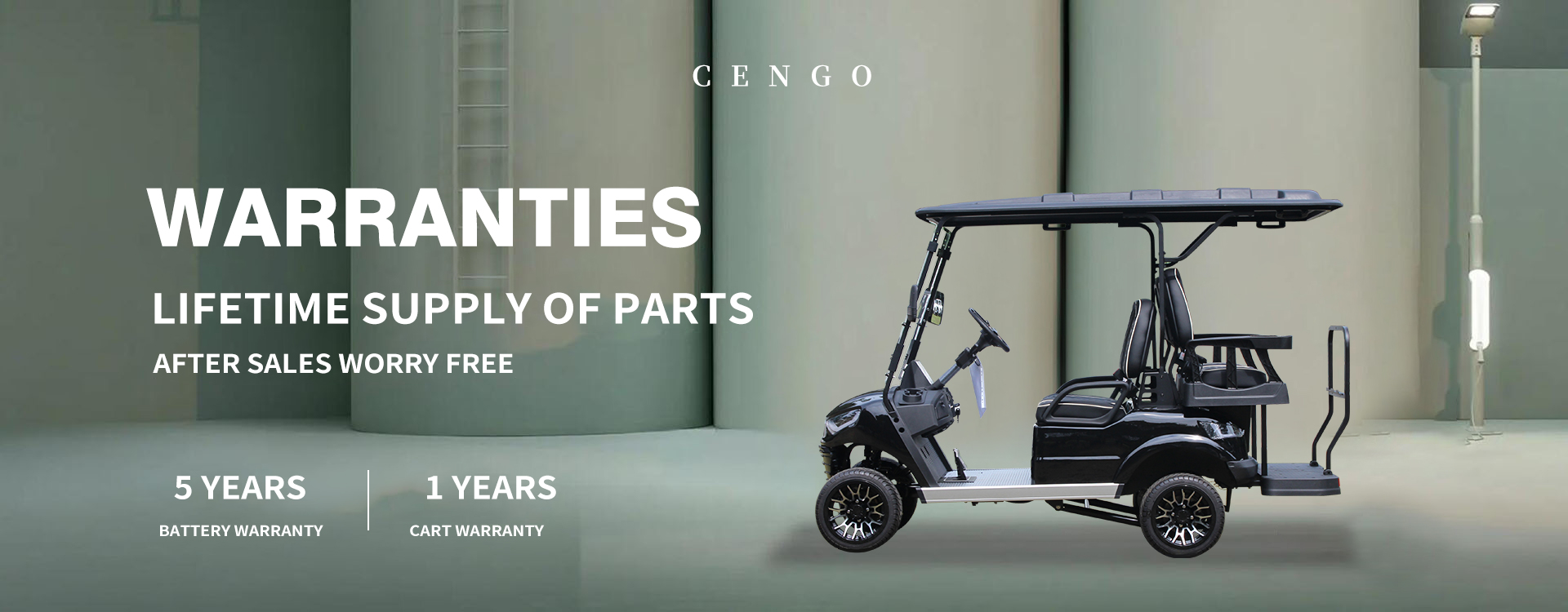
– Verify battery range under load (not just factory numbers) and ask about charge time and battery warranty.
– Inspect brakes and request a demo of regenerative braking on a hill — simple things like brake fade matter in real use.
Closing — three golden rules whenchoosin’ a cart
First: match payload capacity to your heaviest expected load — don’t trust a wishful number. Second: prioritize real-world battery range under load and the ease of swapping or servicing packs — that keeps operations rolling. Third: choose a proven controller and a frame that handles your terrain — that reduces downtime and repair costs. These three metrics cover most surprises and give you a clear basis to compare models.
For operators who need reliability without fuss, 6 passenger golf cart for sale listings help you check specs side-by-side and find models built for the roads you run. Choose sensible tech, keep parts access high, and you’ll avoid the common traps — simple as that. CENGO. —