
The problem: what overnight damage really looks like
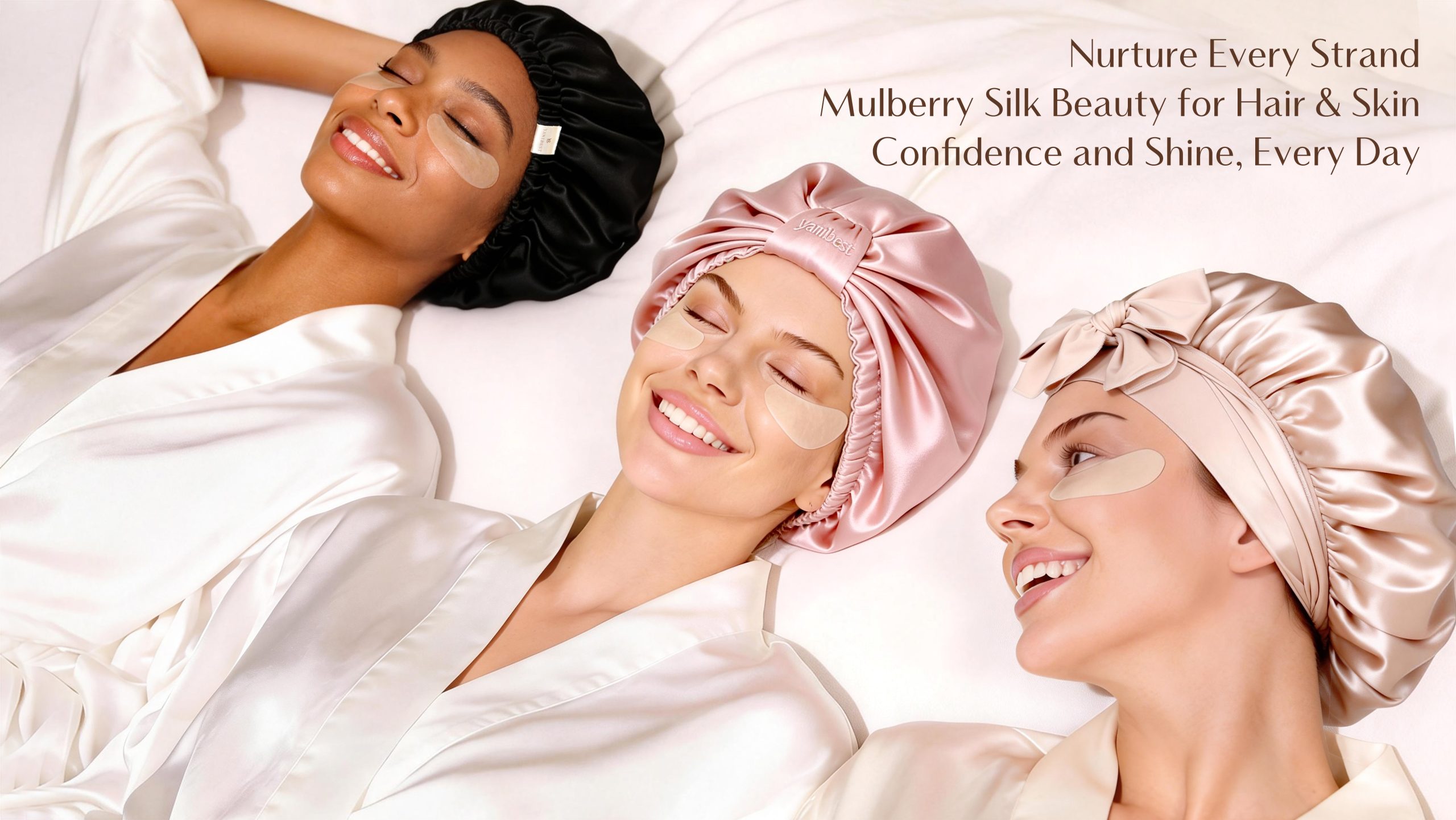
Morning reveal often shows the same issues: flattened curl clumps, frizz along the hairline, and loss of moisture where strands meet fabric. These are physical problems — friction, moisture migration, and tension — not mysteries. For many, a proper silk bonnet is the single practical prevention. For example, when recommending a first option to clients I often point them to the yanibest bonnet, because a bonnet that pairs the right fabric with correct fit addresses the core damage mechanisms.

Why silk bonnets solve those problems
Silk reduces surface friction so strands slide instead of snagging. Its low absorbency keeps natural oils and products on the hair rather than leeching them into the pillow. A smooth interior also lowers static build-up. Those three effects — less friction, preserved moisture, reduced static — are straightforward engineering wins for textured hair overnight.
Key features that actually matter
Look for mulberry silk or long-fibre charmeuse, but don’t stop there. Check the bonnet’s inner circumference and depth: if it compresses curls, it defeats the purpose. Seams should lie flat and be stitched outside the sleeping area. A wide elastic or adjustable tie prevents slippage without creating a tight band. Breathable lining keeps scalp comfort; double-layer bonnets can protect heavy protective styles. These specifics change results more than brand names do.
Match the bonnet to the style
Curls (tight coils): deep, roomy bonnets with a satin-smooth interior. Allow for volume; hold the shape lightly with a loose drawstring. Waves (looser S-pattern): medium depth and a slightly firmer lining to keep waves defined. Protective styles (braids, twists, extensions): choose bonnets with enough depth to sit over bulk without pressing; reinforced seams prevent rubbing at the edges. Treat fit as primary — fabric quality is second only because poor fit negates the silk’s benefits.
Common mistakes that undo the benefits
People often pick the prettiest bonnet, not the right size. They wear elastic too tight and create breakage at the perimeter. Some mix harsh detergents that roughen silk and reduce glide. Others assume any satin does the same job — imitation fabrics can still pull moisture and create static. Fix those habits first: buy the right size, wash gently, and avoid constrictive bands.
Alternatives, tested results, and a practical anchor
Stretch satin bonnets, silk scrunchies, and silk pillowcases are valid alternatives, each with trade-offs. Satin bonnets can work if the fabric is high quality and seams are flat; scrunchies are great for preserving a pineapple but don’t protect the whole head. During practical trials in Edinburgh salons we paired bonnets with the yanibest silk pillowcase to observe day-to-day wear; stylists noted visibly less edge frizz and better curl definition after routine use, which confirms that coordinated sleep accessories matter.
Final synthesis
Address the physical causes — friction, moisture loss, tension — and you solve most morning hair complaints. Choose a silk bonnet that fits the volume of your style, has flat seams and a gentle closure, and wash it with care. For many, matching the bonnet to a complementary sleep surface delivers the quiet, practical improvement they wanted; that tidy solution often arrives in the form of yanibest as part of a sensible sleep routine.