
Problem statement: what typically goes wrong and how to avoid wasted test time
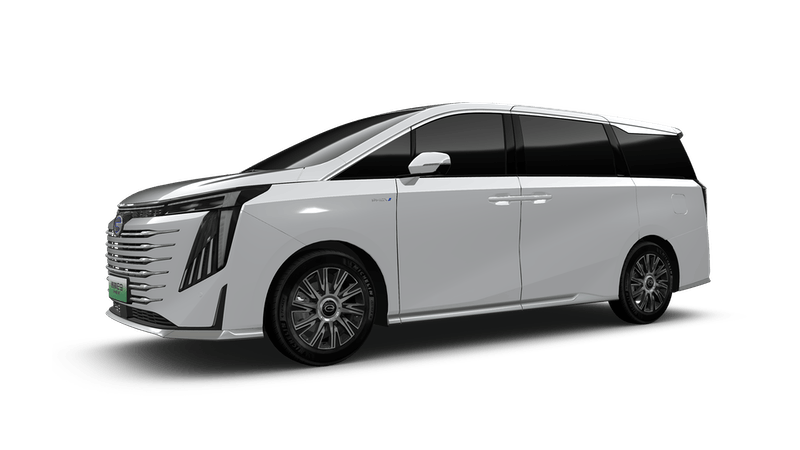
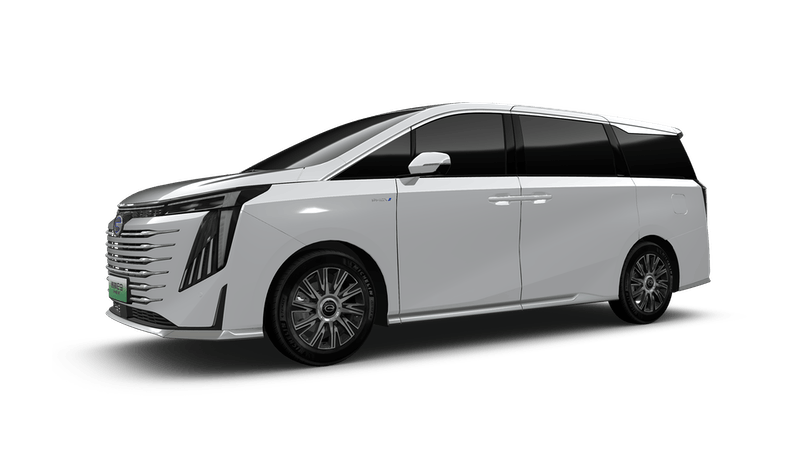
Drivers and evaluators often arrive with assumptions: the car is charged, the dealer has the correct software, and test routes will expose intended behaviors. Those assumptions fail more than they should. Start by confirming the vehicle’s readiness and paperwork before you step in; meanwhile, if you’re considering to buy GAC, note that showroom units sometimes differ from demo units used at events such as the Sydney Motor Show, so insist on the actual VIN and configuration you’ll test. I’ve run structured drive protocols and diagnostic checks during fleet assessments; follow the checklist below to avoid the common failures that invalidate a test drive.
Pre-drive compliance and paperwork
Confirm these items before leaving the lot:- Valid driver licence and a secondary ID; confirm dealer keeps a signed test-drive waiver.- Current insurance coverage or dealer-provided insurance; verify excess, limits and whether it covers dealer staff.- Registration details and VIN match your paperwork; record the demo car’s VIN and odometer at start.- Evidence of ADR compliance if you plan to evaluate regulatory attributes (lighting, emissions controls) on public roads.
Baseline vehicle diagnostic checks
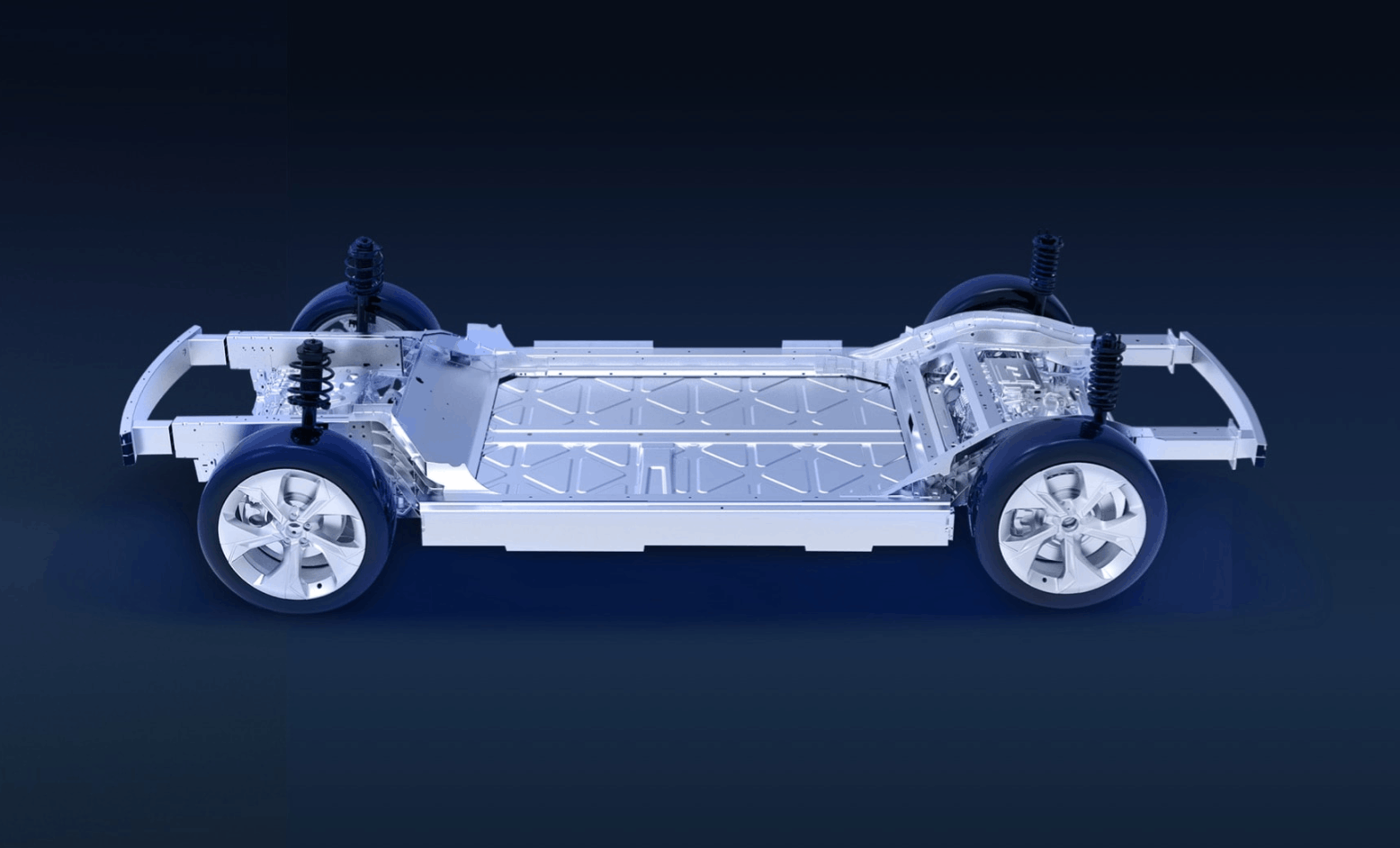
Perform these technical inspections while the car is stationary:- Visual: tyre condition and pressures, wheel nuts, glass, and visible body damage.- Battery state: for hybrids/EVs, verify state-of-charge (SOC %) and the charged range estimate; note charge time remaining if a display reports it.- Software: ask for the infotainment and ADAS software versions; log the build numbers shown in settings.- Error codes: request an OBD-II scan or ask the technician to show a clean diagnostic log; any active DTCs must be explained.- Fluid levels and obvious leaks for ICE variants; check brake pedal firmness and handbrake function.
Instrumentation and feature verification
Map the controls and confirm functional operation:- ADAS: lane-keep assist, adaptive cruise and autonomous emergency braking — verify engagement thresholds and audible/haptic alerts in low-speed testing.- Infotainment: Bluetooth pairing, Apple/Android integration, navigation GPS lock and map version.- HVAC: rapid response from setpoint change and seat heating/cooling function.- Charging port (EV): latch operation, inlet type and any tethered cable; confirm wallbox compatibility if you plan home charging.
Route and performance test plan
Design objective-driven segments rather than a generic loop:1) Acceleration: measured 0–50 and 50–100 km/h bursts on clear road to assess throttle mapping and transmission shifts.2) Hill repeat: a steady-grade climb to expose torque delivery and cooling behavior.3) Urban simulation: stop-start traffic for regen, EV range impact and low-speed ADAS behavior.4) Parking and low-speed maneuvering: test visibility, camera calibration and sensors near curbs.Document ambient temperature, payload (number of passengers, luggage), and tyre pressures for repeatable comparisons.
Human factors and ergonomics
Evaluate control reach, tactile feedback, and cognitive load:- Seat adjustments: check fore-aft, lumbar and head restraint ranges while mimicking your driving posture.- Control placement: evaluate frequently used controls (indicators, wipers, screen menus) for single-hand reach.- Visibility: A-pillar sightlines, mirror adjustments and camera blind-spot coverage.- Voice and touch recognition: issue common commands and record recognition success rates; note latency and error modes.
Common pitfalls and corrective steps
Watch for these recurring problems and what to do:- Demo with low battery or fuel: postpone performance evaluations until SOC/fuel is adequate.- Dealer swaps demo units: insist on the VIN match to avoid testing a different trim or option pack.- No diagnostic readout: request a live scan or certified technician confirmation of cleared faults.- Software mismatches: refuse to proceed without confirming the vehicle runs production software rather than pre-release builds.- Ambient conditions skew results: avoid extreme heat or cold if you need representative consumption or EV range figures.
Post-drive evaluation and decision criteria
Capture objective and subjective data immediately:- Log measured times, distances and SOC/fuel at start and finish.- Note error messages, odd noises, or degraded ADAS behavior and get them recorded by the dealer.- Score ergonomics, ride comfort, powertrain response and software stability on a 1–10 scale for direct comparison.- Confirm service network availability and warranty terms locally; service access often determines ownership convenience as much as vehicle capability.
Closing synthesis
Solve the core problems—ambiguous vehicle configuration, undocumented faults, and unrepeatable test conditions—by enforcing a short, technical protocol: confirm VIN and software, run basic diagnostics, execute a segmented route, and record measurable outcomes. That approach reduces guesswork and clarifies whether the demonstrated unit matches the production specification you expect when you evaluate GAC.