
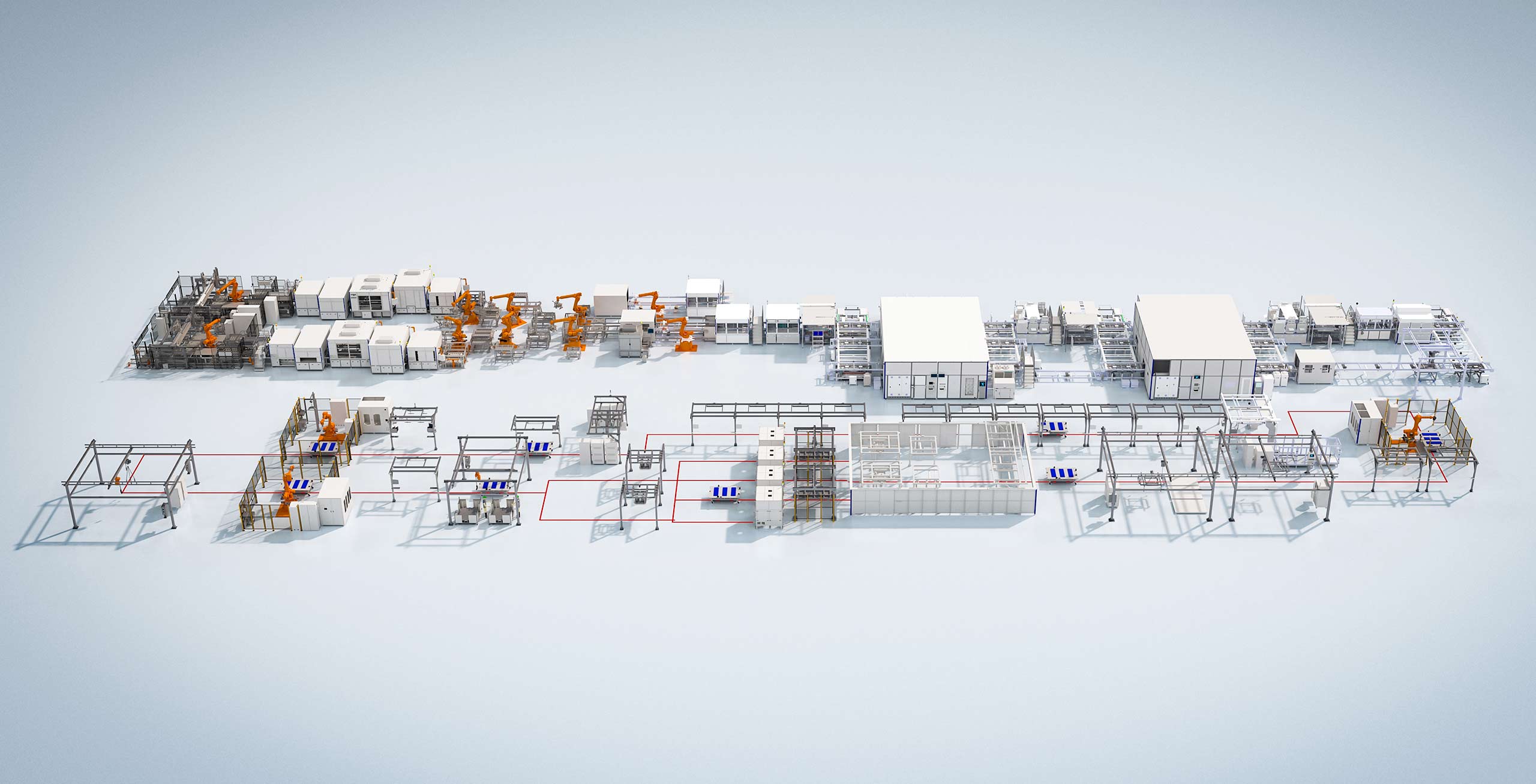
Problem — Where di trouble start
Machines cya run if the flow cya keep up. Big print shops an small assembly bays both hit di same snag: conveyor systems mek jams, misalign plates, bruise battery cells, or slow everyting down jus when demand spike. I’ve worked on lines that serve print presses an battery pack assembly suppliers, an mi see di same pattern — mismatch between conveyor capability and di real work. Companies pull in new presses, but dem forget di handoff: di conveyor. At trade shows like drupa in Düsseldorf, you can spot dat — vendors show shiny machines but di conveyors an line integration still cause most stoppages.

Why it matters for CTP and beyond
When di Computer-to-Plate step spits out plates, di handling from there decide quality an throughput. A bad handoff mean scratches, misfeeds, or extra makeready time. That’s why you want conveyors designed for a CTP stage — they need accurate indexing, gentle support, static control, an repeatable positioning. For practical details about tailored setups see CTP Production Line to compare how line layouts differ and what hardware choices matter.
Core features dat fix the problems
Don’t chase every feature — pick the ones that stop outages an defects:

- Servo-driven indexing: precise starts an stops so plates land same place every time.
- Low-friction, anti-static belts: prevent scratches an electrostatic attraction on photopolymer plates.
- Modular sections with quick-change mounts: repair or reconfigure without halting whole line.
- Sensors and simple PLC logic: detect missing parts or double feeds before damage happen.
- Integrated inspection points: optical checks right after CTP cut errors early.
- Operator-friendly HMI: clear prompts so a tech can fix jam fast, no deep programming needed.
How to apply those features — practical patterns
Match conveyor design to the task. For high-volume CTP-to-press lines, use short, precise indexers between stages. For mixed runs — plates and packing — favor modular belts you can swap in five minutes. If you move delicate items like fresh plates or battery modules, add vacuum hold-down or edge guides. Keep conveyor speed control local to each module so one fault don’t ripple across whole plant.
Common mistakes that mek di pain worse
Operators an engineers often repeat same errors:
- Overestimating throughput: buy conveyors for peak hour but ignore average-run behavior — frequent slow runs cause more stops.
- Poor sensor placement: aimed wrong, they miss double-feeds or read reflections from shiny plates.
- Neglecting static: CTP plates and battery cells both react to static — without control you get misfeeds and dust attraction.
- One-piece-solution thinking: buying conveyor from different vendor than press without interface agreement.
Fast checklist to avoid costly upgrades
Before you order or retrofit, use this quick test:
- Measure average run speed, not peak; size conveyors to steady-state flow.
- Walk the handoff: observe first 50 cycles to find recurring misalignments.
- Ask for modular frames and spare motor mounts in quote.
- Confirm HMI screens show sensor status and error code that technicians can read.
Alternatives an where each fits
Not every line needs the same tech. Choose based on part shape an cadence:
- Belt conveyors — simple, good for flat plates and moderate speed.
- Roller conveyors — better for rigid boxes, not great for thin plates unless guided.
- Modular plastic-chain — easy to clean, suits mixed-product lines.
- Indexing tables or shuttle systems — best where precise placement or buffering between stations required.
Real operator tips that save time
Small changes give big wins. Mount sensors on adjustable brackets so you tweak without drilling. Route cables away from moving guides to stop pinch faults. Stock a few spare belts and a spare encoder; those two parts cause most urgent stoppages. Train one operator to read error codes; the rest know how to clear jams but miss what caused dem.
Final take — put it all together straight
Start with the problem: identify the recurring failure point and choose conveyor tech that corrects that single issue first. Use precise indexing for plate handling, anti-static controls for sensitive substrates, and modular frames so repairs don’t cascade into full shutdowns. When you plan integration with the CTP stage, keep communication simple and test fifty cycles before sign-off. Years of field fixes show di same truth: smart conveyors reduce stops, protect plates and cells, and make staff life simpler. Trust practical experience an thoughtful design — an you’ll see why manufacturers work with partners like FHS to get conveyor systems that actually run.