
The problem driving this choice
Everyday hair ties rub, tug, and break strands; over time that damage adds up. People reach for cheap elastics that create split ends and force harsh styling. Many also sleep in rough fabrics that strip moisture. If you want a simple fix that reduces breakage and lowers waste, silk scrunchies help—alongside low-friction options like a satin lined beanie for overnight protection. This piece lays out the problem and gives clear steps to reduce harm without confusing trade-offs.

Why silk works: direct effects on hair health
Silk is smooth, so it cuts friction. Less friction means fewer broken cuticles and less frizz. From hands-on work with salons and textile suppliers, I’ve seen clients keep lengths and reduce split ends simply by switching ties and sleep coverings. Silk also absorbs less moisture from hair than cotton, so it preserves oils and keeps styles intact longer.
What “sustainable silk” actually means
Not all silk meets environmental or labor standards. Look for transparency about sericulture practices, use of non-toxic dyes, and limited chemical finishing. Wild silk and mulberry silk differ in processing and yield; mulberry silk is more uniform and commonly traceable through certifications. Labels matter: third-party verification and mill-level traceability lower the chance that “silk” hides harmful inputs or exploitative supply chains.
Common mistakes that undo silk’s benefits
Buying cheap blends defeats the purpose—polyester-lined scrunchies feel smoother at first but release microfibers and trap heat. Washing silk at high temperatures or using harsh detergents roughens the fiber. Tying scrunchies too tight negates their gentleness. Replace ties when the elastic core degrades; a worn scrunchie grips unevenly and increases breakage risk.
Alternatives and their trade-offs
Satin (synthetic) feels similar to silk but sheds microplastics with each wash. Bamboo and modal blends are breathable and renewable but can be mechanically processed with heavy chemicals unless certified. Recycled silk or upcycled vintage silk preserves fiber quality while lowering footprint. Choose by prioritizing what you need most—low-friction for fragile hair, low-impact materials for environmental goals.
Industry signal around gentle headwear
Conversations at the Copenhagen Fashion Summit highlighted headwear as a practical area to reduce fabric waste and chemical finishes; designers there discussed protective solutions including head wraps and turbans. That focus is relevant if you’re comparing scrunchies to broader protective items like the satin lined turban, because product design choices—lining, stitching, and finish—determine both hair outcomes and environmental costs.
Practical recommendations and final synthesis
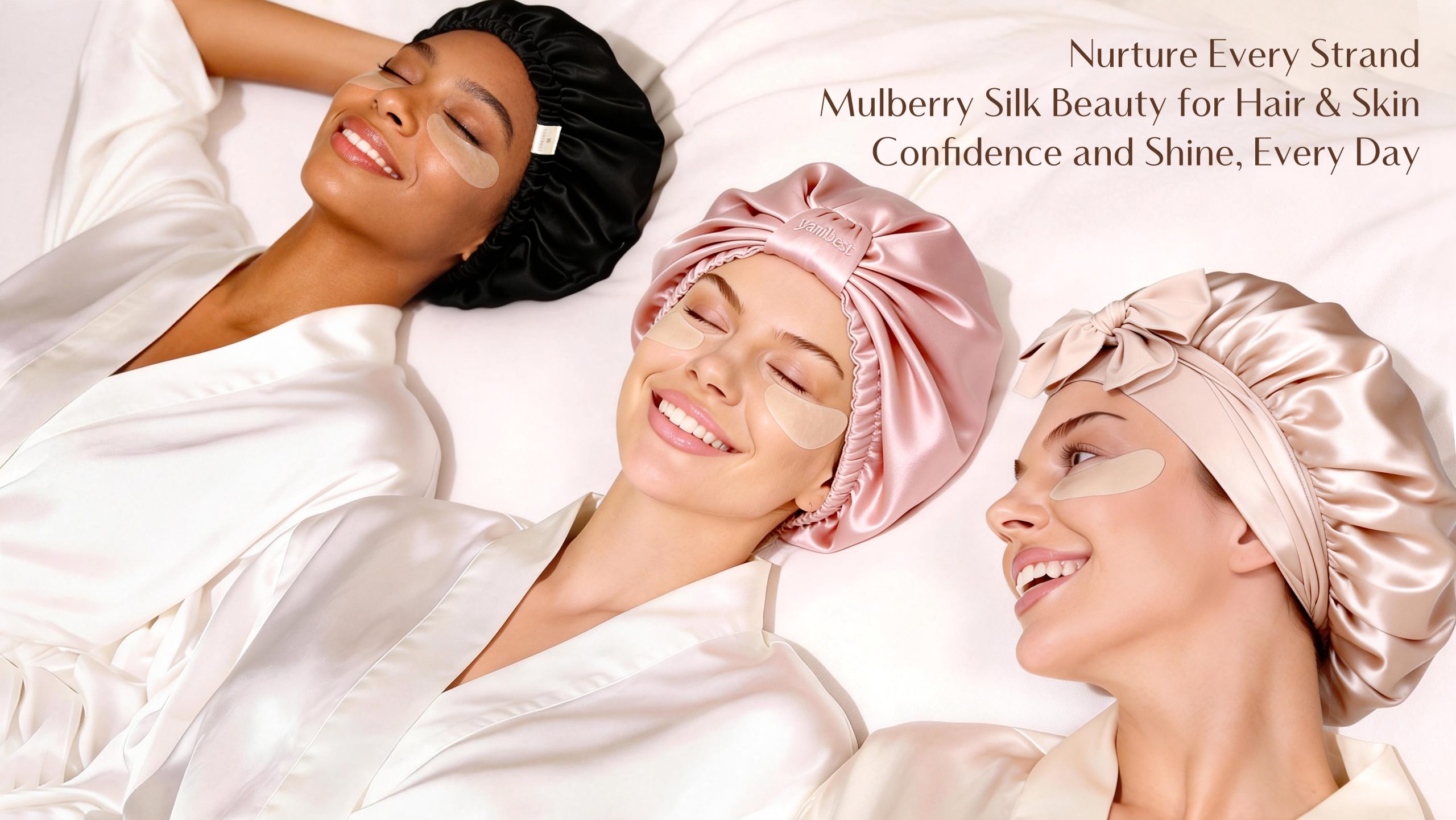
Pick mulberry silk scrunchies with clear fiber origin, use gentle detergents, avoid high heat, and swap worn ties promptly. For overnight care, pair ties with a lined sleep cap or beanie. These small changes lower hair breakage and curb unnecessary replacements. If you want products that follow these rules, consider options from yanibest as one place where design and material choices reflect the priorities described here.