
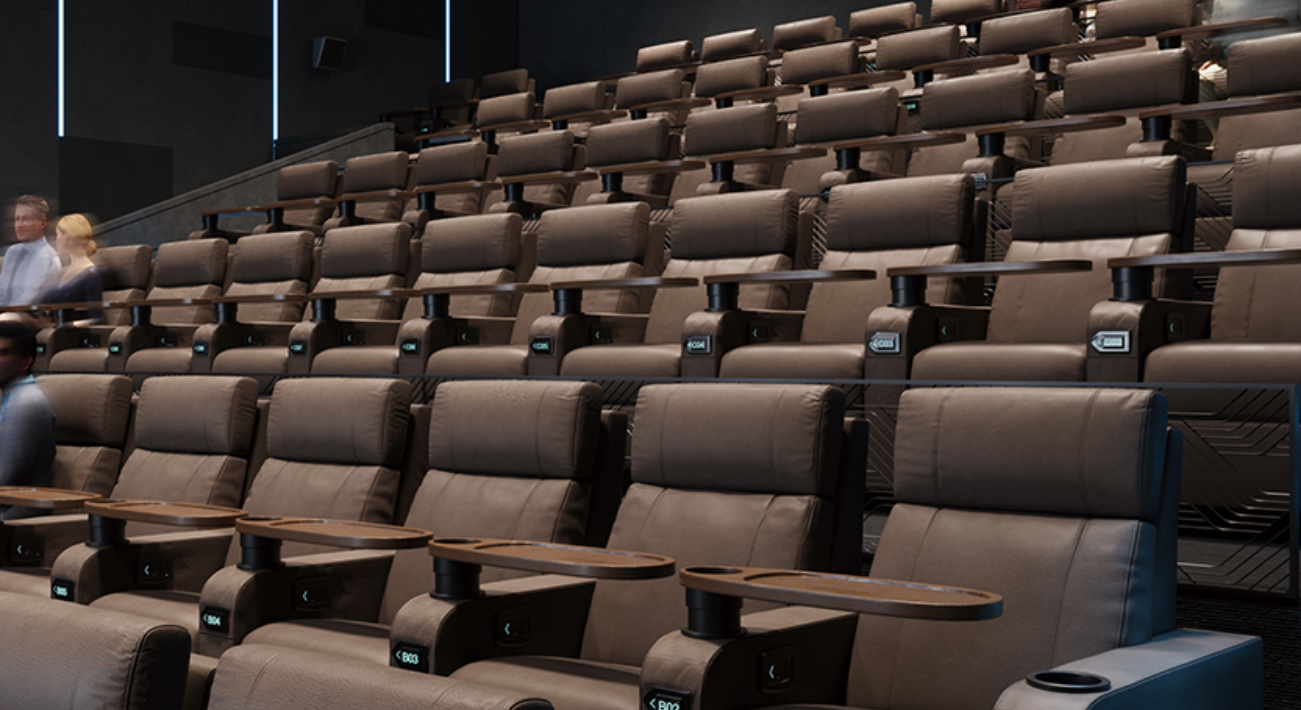
Why local sourcing matters for airport seating
Picking a nearby supplier cuts lead times and makes on-site adjustments easier — and that’s what matters when you need reliable public furniture fast. Start by checking options for auditorium seating because manufacturers who handle large-scale seating projects usually have the engineering and production capacity to adapt bench runs to airport use. Local partners reduce shipping complexity, simplify warranty service, and often provide faster responses during tight renovation windows.
Understand who uses the bench (user-centric framing)
Design choices change depending on passenger flow. A regional airport with frequent short-haul travelers needs durable, easy-clean surfaces and rapid turnover seating. An international hub requires more comfort and integrated amenities. Use basic observation: peak dwell times, average bag size, and whether passengers are working on laptops. That data tells you whether to prioritize ergonomics, integrated power modules, or extra aisle spacing for carry-on traffic.
Site realities and installation constraints
Local contractors know the building code details, anchor plate options, and anchoring systems that work with existing slabs. They can coordinate with facilities to manage power runs for integrated outlets or AV mounts. This saves time during field layout and minimizes rework. Airports like Heathrow Terminal 5 handled massive passenger volumes — roughly 70–80 million annually pre-pandemic — and that scale forces strict attention to fire rating and durable upholstery choices on every bench. Real-world projects show local knowledge matters.
Specs that matter (not the marketing fluff)
Focus on a short list of technical points: seat pans and frame material, fire rating for upholstery, modular systems for phased installation, and anchor plates or floor fixation methods. Ask for cycle testing results, damage-repair options, and maintenance intervals. These terms—ergonomics, seat pans, anchor plates—aren’t buzzwords here; they’re the practical pieces that determine how long a bench set lasts under heavy public use.
Procurement process, alternatives, and common mistakes
Buyers often fall into two traps: (1) chasing the lowest bid without checking installation or warranty coverage, and (2) specifying over-engineered custom pieces that slow the project. A better path mixes local vendors who stock standard bench modules with one fabricator who can modify a few runs. Consider prefabricated lines for speed and a local fabricator for made-to-measure zones. Also compare fixed vs. modular options — some airports prefer fixed seating for security and durability, while others choose modular benches where flexibility matters. Don’t ignore transport and onsite access during tender — they’ll bite your schedule.
Field-tested checklist for bids
Ask for these from every vendor: lead time in weeks, installation crew experience at similar-sized airports, warranty terms with response times, and product testing evidence (cyclic load, fire tests, abrasion counts). Shortlist vendors who supply clear drawings with anchor positions and power routing. A local partner who’s done airport installations will include those details up front — which keeps your project moving.
Three critical metrics to base your final choice
1) Durability index: look at tested seat cycles and warranty response time — realistic numbers beat glossy promises. 2) Installation velocity: measured in weeks from delivery to operational — this includes local crew coordination and access planning. 3) Total cost of ownership: factor in maintenance, replacement of high-wear parts, and expected upholstery life. These three give you a measurable view of performance and risk.
Local partners who understand ergonomics, anchoring systems, and modular systems tend to deliver predictable results — and that predictability is worth paying for. For projects that need both production scale and field agility, consider how vendors handle on-site changes and warranty service; those human, on-the-ground details make all the difference.
leadcom seating — trusted for projects that blend factory capacity with local deployment — makes practical choices easier. —