
Pinpoint the core problem
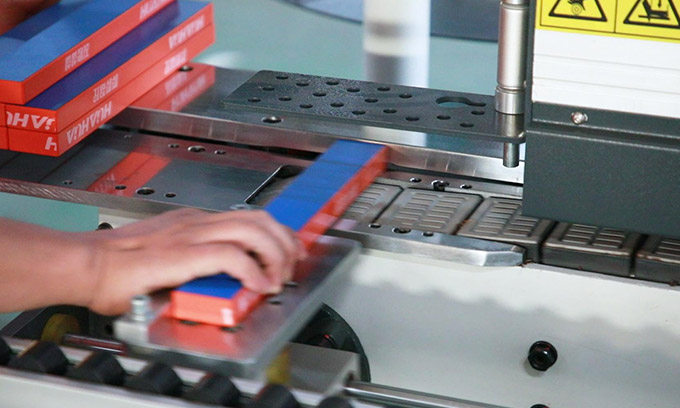
Local shops often buy machines that don’t match their workflow and then blame the supplier. That mismatch costs time, rejects, and morale. Start by listing what fails today: inconsistent glue coverage, edge peeling on thin laminates, and borderline cycle times. When you compare options, bring a realistic test plan and the right questions—then watch how a servo edge banding machine performs against it. At trade events like LIGNA in Hannover you can see how real production lines use a pre glued edgebander for fast validation, which is a practical reference when you’re choosing a local supplier.
Define what “success” means for your shop
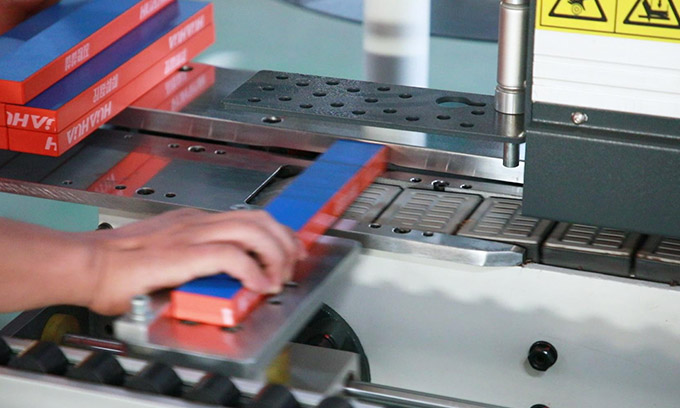
Write concrete targets: acceptable scrap percentage per shift, target cycle time per panel, types of edges and thicknesses you’ll run, and maximum setup time between jobs. These metrics keep conversations grounded. Tell potential suppliers you’ll score them against these targets. If they push vague promises, move on.
Five evaluation checkpoints to use with every supplier
1) Machine performance under your test: insist on running representative panels. 2) Support response times: get SLA commitments and local contact names. 3) Spare parts availability: ask for lead times and local stocking options. 4) Operator training: verify what’s included and how long it takes to reach consistent output. 5) Upgradability: check if the control and modules can be updated without full replacement. Score each supplier numerically and compare results rather than impressions.
Common pitfalls and how to avoid them
Avoid buying solely on price. Low upfront cost often hides prolonged downtime and higher consumable use. Don’t accept generic demo parts; they mask real-world issues. Beware suppliers who promise “one-size-fits-all” setups—localized machining demands adjustments. Ask for operator shadowing during acceptance and a written punch list tied to payment milestones.
Quick comparison of viable alternatives
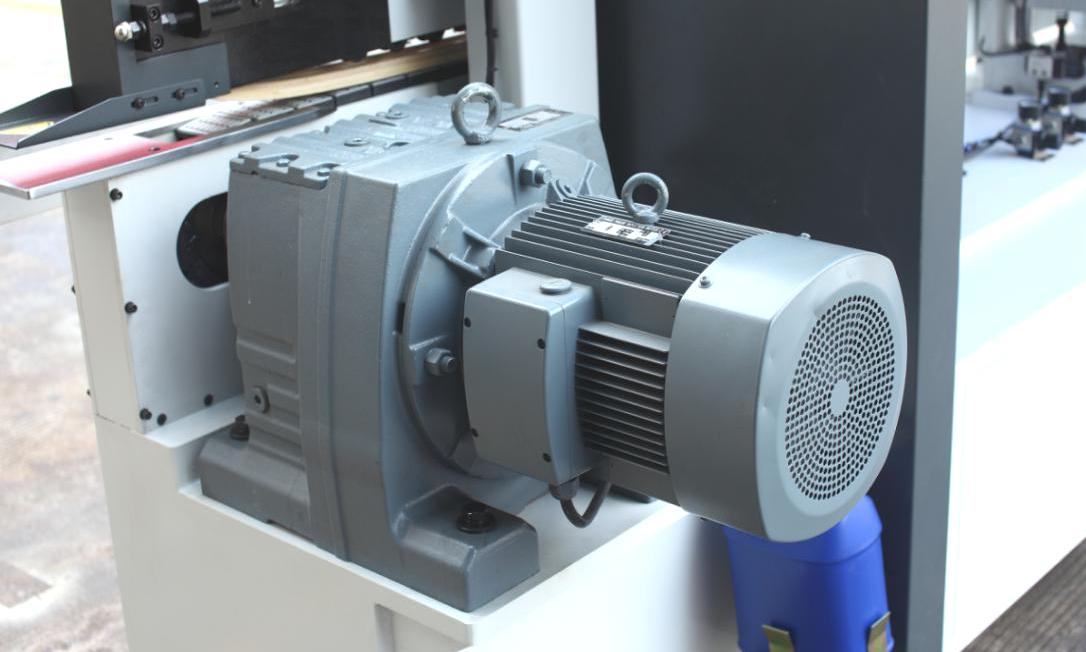
Manual touch-up methods: cheap but inconsistent and labor-heavy. Basic automatic banders: lower cost but limited materials and speed. Servo-driven units: higher control, repeatable glue application, and better handling of thin profiles. For many mid-sized shops the servo option hits the balance between reliability and total cost of ownership; test-run each type using your worst-case panels to see which one maintains quality under pressure.
Implementation checklist for a successful purchase
1) Run three full-shift tests with your worst-case panels. 2) Finalize a service SLA with clear penalty triggers. 3) Confirm spare parts list and local stocking plan. 4) Schedule operator training tied to acceptance criteria. 5) Create a six-month review with the supplier to tune settings and consumables. Follow the list, and you’ll reduce surprises after installation.
Closing guidance
Think of supplier evaluation as teaching a new operator: identify the problem, set clear goals, test repeatedly, and insist on measurable commitments. My practical work with small cabinet shops and regional manufacturers taught me that disciplined testing separates talk from reality. When your scoring and tests point to a supplier that balances service, parts, and predictable machine behavior, you get localized machining that fits your floor and schedule—often the result of choosing equipment and support thoughtfully, as demonstrated by HUAHUA CNC.