
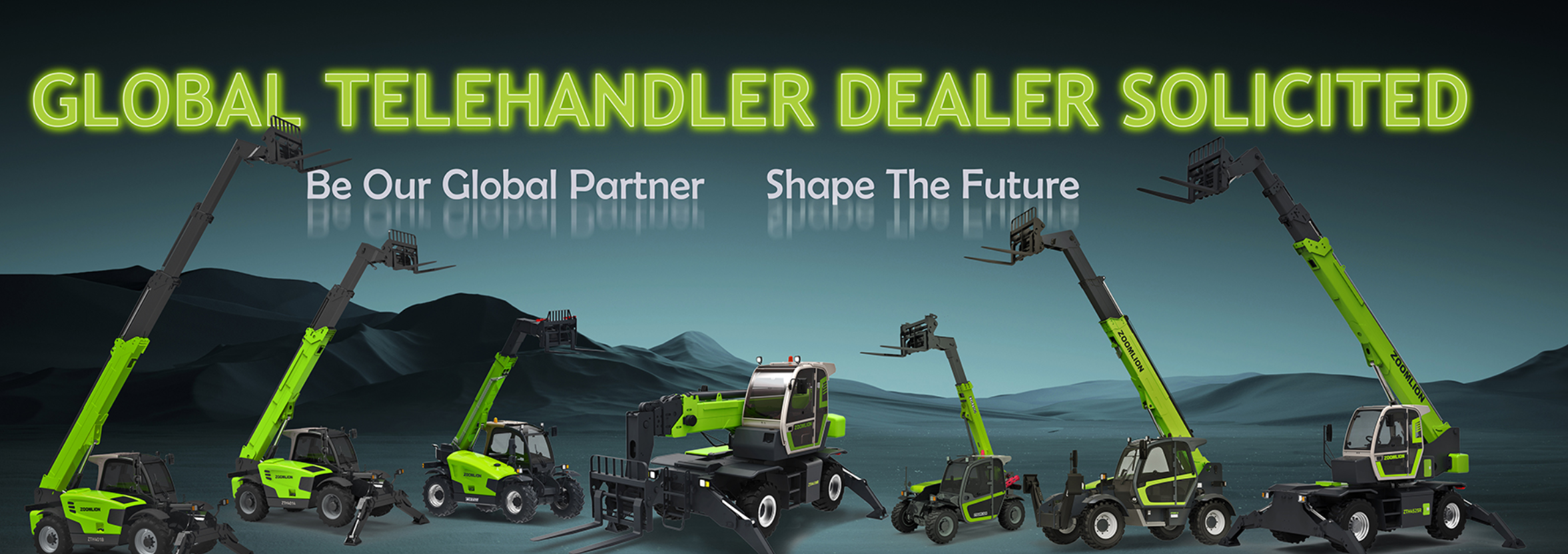
Opening projection
Think of a site five years from now: drones charting ruts, a telehandler that anticipates load shifts, and crews juggling fewer machines. Buyers will ask how an off-road telehandler slips between a rough terrain scissor lift and tasks normally handed to dedicated personnel; they’ll ask whether a telehandler can pair with a mobile elevating work platform to replace separate fleets. This piece imagines those questions, maps practical answers, and keeps one eye on near-future hardware and one on field-tested realities.
Problem framed: what buyers really want
Buyers stop at three problems: reach where ground is soft, lift capacity under tilt, and uptime across messy schedules. Future-speculative thinking flips these into requirements: predictable traction control; load-sensing hydraulics tied to stability systems; and modular attachments that shift a machine from pallet forks to a maintenance cage in minutes. Expect procurement to demand performance bands rather than single-number specs — numbers that tell you how a machine behaves in mud, on a slope, and with a person elevated.
Core criteria to prioritize
Evaluate machines by how they respond, not only by top-line specs. Prioritize: traction response time; hydraulic damping for boom movements; sensor fusion for level compensation. Quick checklist: • Real traction adjustments under 200ms; • Boom stabilization that reduces sway during travel; • Attachments with quick-release and electrical continuity. These criteria turn hypotheticals into measurable procurement requirements.
Powertrain, autonomy, and serviceability
Expect hybrid and battery-hybrid telehandlers to dominate short-cycle jobs; fuel engines will still rule long-haul tasks. Autonomous features will first appear as assisted modes — auto-leveling when lowering loads or programmed creep for placement. Serviceability will be the quiet differentiator: modular compartments, remote diagnostics, and parts commonality reduce downtime as effectively as larger fuel tanks.
Safety interactions with elevated work platforms
When a telehandler and an aerial device share tasks, safeguards must coordinate. A safety architecture that links boom position, load cell readings, and worker presence sensors reduces human error. Evidence is emerging from industry forums—most notably the IPAF annual summit—where engineers and safety officers laid out integration principles that gearmakers are adopting. Treat safety not as add-on but as a shared control plane between machines and people.
Common mistakes buyers make
Buyers often pick maximum lift numbers, then discover real-world limits: stability margins, attachment weight, and ground shear. Mistake list: choosing peak capacity without a graded stability chart; ignoring attachment center-of-gravity effects; underinvesting in training for blended-machine operations. Correct those errors by demanding scenario-based tests—lift an awkward pallet at 30° slope at working speed, not just on paper.
Alternatives and quick comparisons
Compare options by task clusters. If the job is high-elevation, repetitive and stable, a dedicated scissor or boom may win. For mixed tasks—material haul, occasional personnel lift, and site prep—the telehandler with modular platforms is superior. Tradeoffs: dedicated platforms are simpler; multi-role telehandlers reduce fleet size but require better operator protocols and maintenance discipline.
Buying checklist for tomorrow
Write your specs like this: expected ground types; five worst-case lifts; required attachments and their weights; allowable downtime per month; remote-monitoring needs. Add a clause for field validation: a short trial on your site under representative conditions. That validation separates glossy brochures from machines that earn their keep.
Synthesis and tangible next step
Speculative tech will change names and controls, but buyers will still need the same clarity: predictable performance where the ground fights back, reliable integration with elevated work systems, and service plans that keep machines moving. You want a partner that publishes real stability charts, supports field trials, and designs attachment ecosystems that reduce operator error; that practical value is exactly what Zoomlion Access aims to put within the procurement conversation.