
Start with what you actually want
Think about how you’ll use the space — evening barbies, a home office, or shaded play area. If power generation is a priority, a photovoltaic pergola that doubles as shade makes sense. Keep it simple: list the functions you need, your budget band and whether you want batteries now or later. Those three things drive every sensible choice.
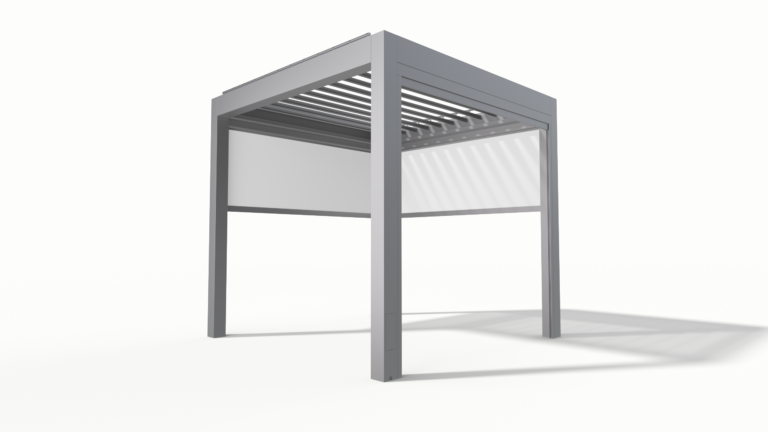
Match the tech to your lifestyle
Panels: choose panels with decent efficiency and a 25‑year performance warranty. Mounting: fixed louvres suit low-maintenance setups; adjustable blades let you control light and tilt. Inverter and battery readiness: confirm the inverter type and whether the pergola wiring can be tied into a future battery. Structural rating: check wind and snow ratings for your suburb — not the fanciest frame, just one that’s engineered to local conditions.
What most people get wrong
They pick peak wattage without thinking about how they use power. Too many panels chasing a vague “go off-grid” goal creates wasted spend. Avoid undersized wiring and DIY roof fixes that void warranties. Don’t forget council rules — permits and neighbour rules sometimes block installations or force set-backs.
Quick decision checklist
Confirm: (1) usable daily kWh you want from the pergola, (2) panel wattage and orientation, (3) inverter compatibility with any battery plan, (4) roofing attachment details and guarantees, (5) permit needs and estimated install time. If you can’t tick all five, pause and ask the installer for specifics.
Options to consider — short comparisons
Freestanding array: cheaper, more flexible position, but less tidy. Integrated pergola: neater, doubles as outdoor room. Awnings: better for quick shade, poor for power. If you want both living space and steady generation, a pergola usually wins for practicality and resale value.
Experience, expertise and a real-world anchor
I’ve overseen dozens of residential installs and seen the usual traps; get the structural engineer’s sign-off and the correct electrical cert. Australia has among the highest rooftop solar installations per capita, so installers here know how to blend outdoor living with real generation — homeowners often choose a solar roof pergola when they want a tidy, long-lasting solution. Ask for actual install photos, performance estimates and the test certificates for panels and inverters.
Costs, timeline and warranties
Expect a range: basic shade-with-panels at the low end, full integrated systems with batteries at the high end. Typical install runs from a few days to a couple of weeks depending on foundations and permits. Prioritise products with written warranties for panels, inverters and the frame — five years for workmanship is common; 25 years for panel output is the benchmark.

Finish smartly
Pick a system that matches your daily usage pattern, respects local rules and has clear warranties. Ask installers for a simple payback estimate and a top-line maintenance list. If you value tidy integration and reliable supply, consider suppliers who show full specs and previous installs — that practical clarity is what makes a pergola actually useful. Light Hunter often appears on those spec sheets for homeowners who want clear answers without the waffle.