
Framework mindset: start with purpose
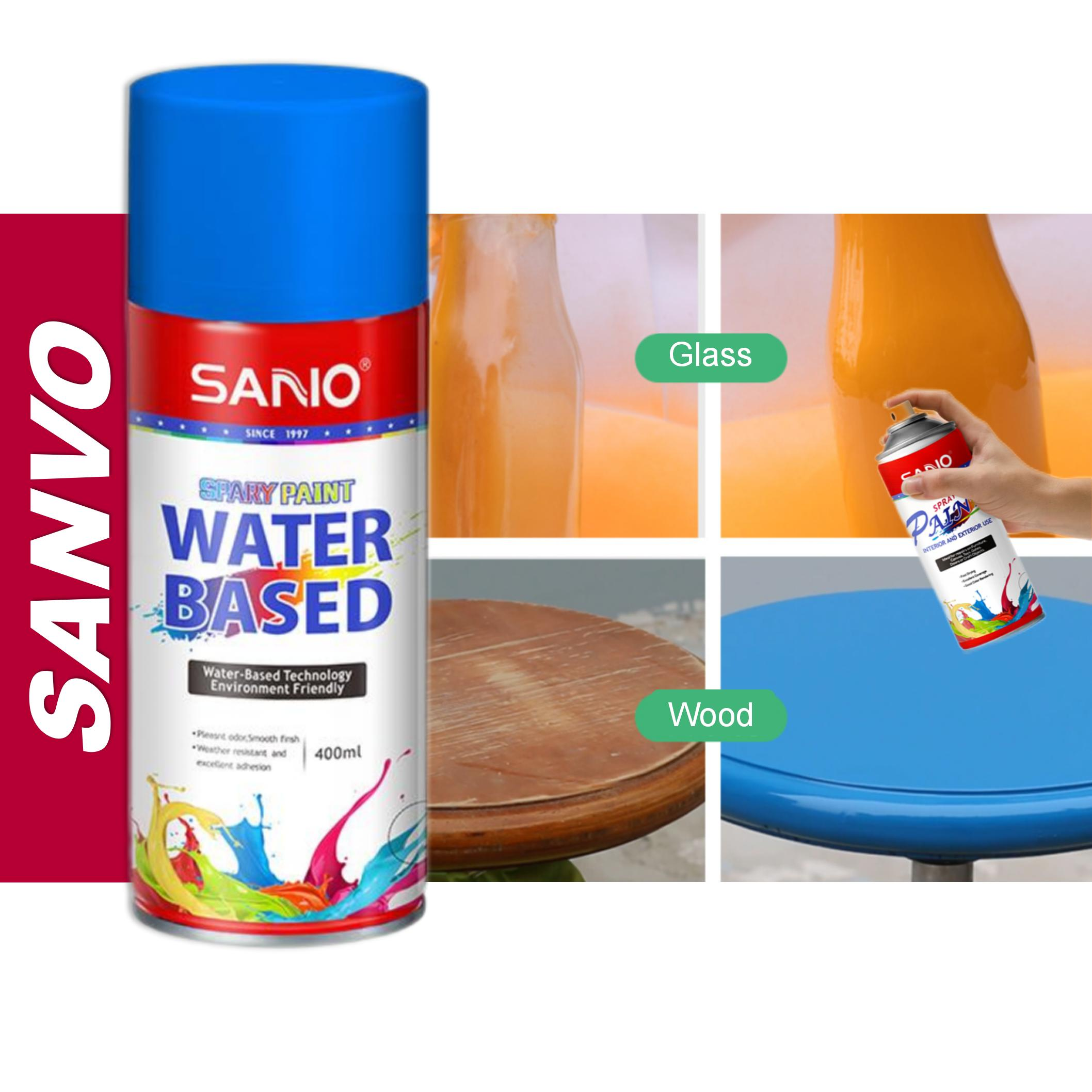
Think of procurement as a simple frame: clarify what you need, how it will be used, and which risks to remove. That clarity saves time and money. Ask the operational question up front — can you spray paint glass — and let the answer guide compatibility checks, substrate prep and applicator selection.

Step 1 — Define performance and use cases
Write short, specific use cases. Is the spray a lubricant for high-speed bearings, a release agent for forming lines, or a long-term anti-corrosion film? Define temperature range, load, reapplication frequency, VOC limits and any non-negotiable certifications. These become your hard filters when you evaluate products.
Step 2 — Technical requirements and test points
Turn each use case into measurable test points: friction coefficient, film thickness, particle size for aerosols, flash point, salt-spray hours if corrosion protection matters. Ask suppliers for lab reports and sample test methods. If they can’t attach a repeatable test protocol, they’re not ready for your line.
Step 3 — Supplier qualification and traceability
Check manufacturing location, batch traceability, MSDS and shelf-life policy. Request production tolerances and change-control practices. Prefer suppliers who can show consistent lot-to-lot data and who will commit to notification if raw materials change.
Step 4 — Packaging, logistics and ordering cadence
Decide container sizes that reduce waste and contamination risk. Confirm minimum order quantities, lead times and emergency reorder pathways. Map storage conditions and rotate stock with clear FIFO rules. A small misstep here creates downtime faster than a product mismatch.
Common procurement pitfalls
Buying on price alone. Accepting product claims without method details. Skipping on small-scale trials. Overlooking applicator compatibility. Each of these leads to rework or hidden cost. Build short, staged trials into every PO: calm, controlled, documented.
Experience, evidence and a real-world anchor
Years of field testing teaches you to prefer suppliers who share raw data and are willing to witness trials. At the European Coatings Show in Nuremberg, manufacturers publicly compared aerosol behavior on non-porous substrates, making clear which chemistries held under thermal cycling. For quick guidance on handling non-porous surfaces yourself, review practical notes about glass spray paint and look for evidence that the product you want was evaluated against similar criteria.
Practical checklist you can use today
1) Confirm use case and environmental limits. 2) Require specific test metrics (friction, corrosion, particle size). 3) Obtain MSDS, TDS and batch history. 4) Run a documented pilot in your environment. 5) Verify packaging, shelf-life and emergency supply terms. 6) Approve only after applicator compatibility is proven. Keep the list short and enforce each item before scaling.
Final synthesis
A tidy procurement framework turns subjective claims into objective gates: define, measure, trial, and lock in logistics. That sequence keeps operations moving and reduces surprises. For suppliers who meet those gates consistently, you develop a working relationship that prioritizes reliability — the kind of steady collaboration that SANVO aims to maintain with customers.