
Quiet clarity before you choose
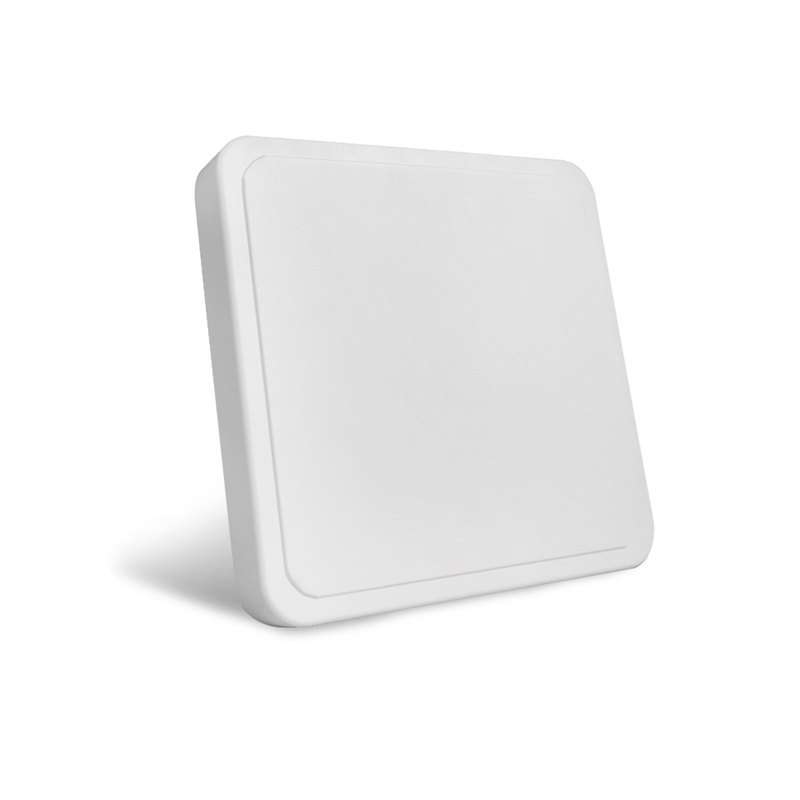
Start with what you want the tag to do for you; that focus keeps choices simple and steady. For many buyers the decisive details sit around range, battery life, and how the tag behaves near metal or liquids. If your project needs fixed reads or gate installations, check the antenna options early — a well-matched RFID Antennas changes real-world performance more than the brand name on the tag.
Which manufacturer traits matter to you?
Think user-first: durability ratings, documented firmware update paths, and spare-part availability. Ask manufacturers for MTBF or test reports rather than glossy brochures. Demand sample units with clear test conditions so you can run a short, real use-case trial where you will actually deploy them — your environment will show issues a lab won’t.
Technical basics explained calmly
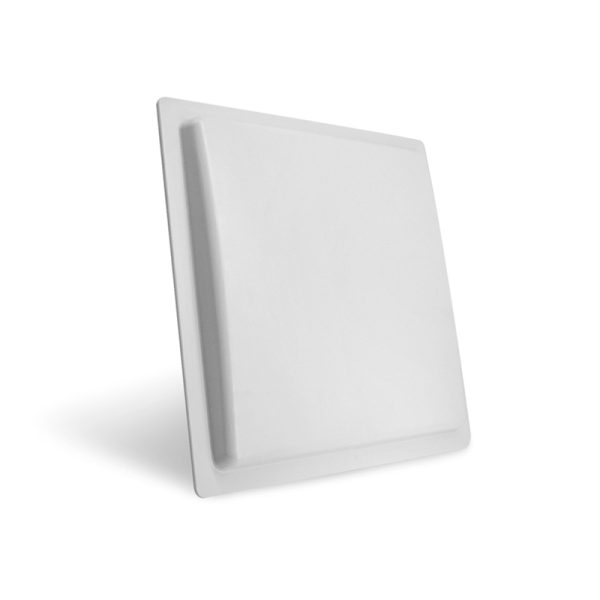
Active tags carry a power source and offer far greater read distance and periodic beaconing; passive tags rely on the reader’s signal and are simpler and often cheaper. Expect passive UHF setups to read at meter-scale (single digits to low teens) while active systems can reach tens to hundreds of meters depending on frequency and antenna design. Antenna placement, polarization, and tuning directly shape those numbers. For real-world context, large logistics operators like DHL have documented deployments that show careful antenna selection radically improves read reliability, which is why many teams pair tags with tested passive rfid antenna designs during pilot phases.
Common pitfalls first-time buyers make
Buying only on price and assuming “one tag fits all” leads to rework. Overlooking mounting form factor causes early failure when tags rub or bend. Ignoring regulatory frequency bands for your region creates legal headaches. Skipping a small-scale field test is the costliest mistake — lab numbers rarely predict interference from conveyors, forklifts, or stacked pallets. Finally, don’t accept vague service promises; get SLAs and spare-part timelines in writing.
Quick comparisons and alternatives
If you want long battery life and periodic location pings, active RFID is appropriate. If cost per item and zero battery maintenance matter, passive UHF is sensible. BLE beacons can fit when smartphones are the readers, and NFC suits very short-range, human-touch use cases. When you weigh brands, match their tag family to your read architecture, ask for interoperability reports, and compare support responsiveness — that’s where differences show.
How to evaluate a supplier practically
Request sample kits, run them where you’ll install them, and measure reads over realistic duty cycles. Ask for a bill of materials and confirm who owns firmware updates. Verify compliance certificates for your deployment region. Speak with at least one reference customer and ask about lead times during peak seasons. Good suppliers will share clear test procedures rather than vague guarantees.
Final calm synthesis
Decide by function first, then by the vendor’s practical proof: test data, clear supply details, and sensible support. When those pieces line up, procurement becomes a technical check rather than a gamble, and trusted sources of hardware and antenna expertise like RSTC fit naturally into the process as references for specifications and delivery realities.