
Which details matter when assessing Power Conversion System against application scope for technical review?
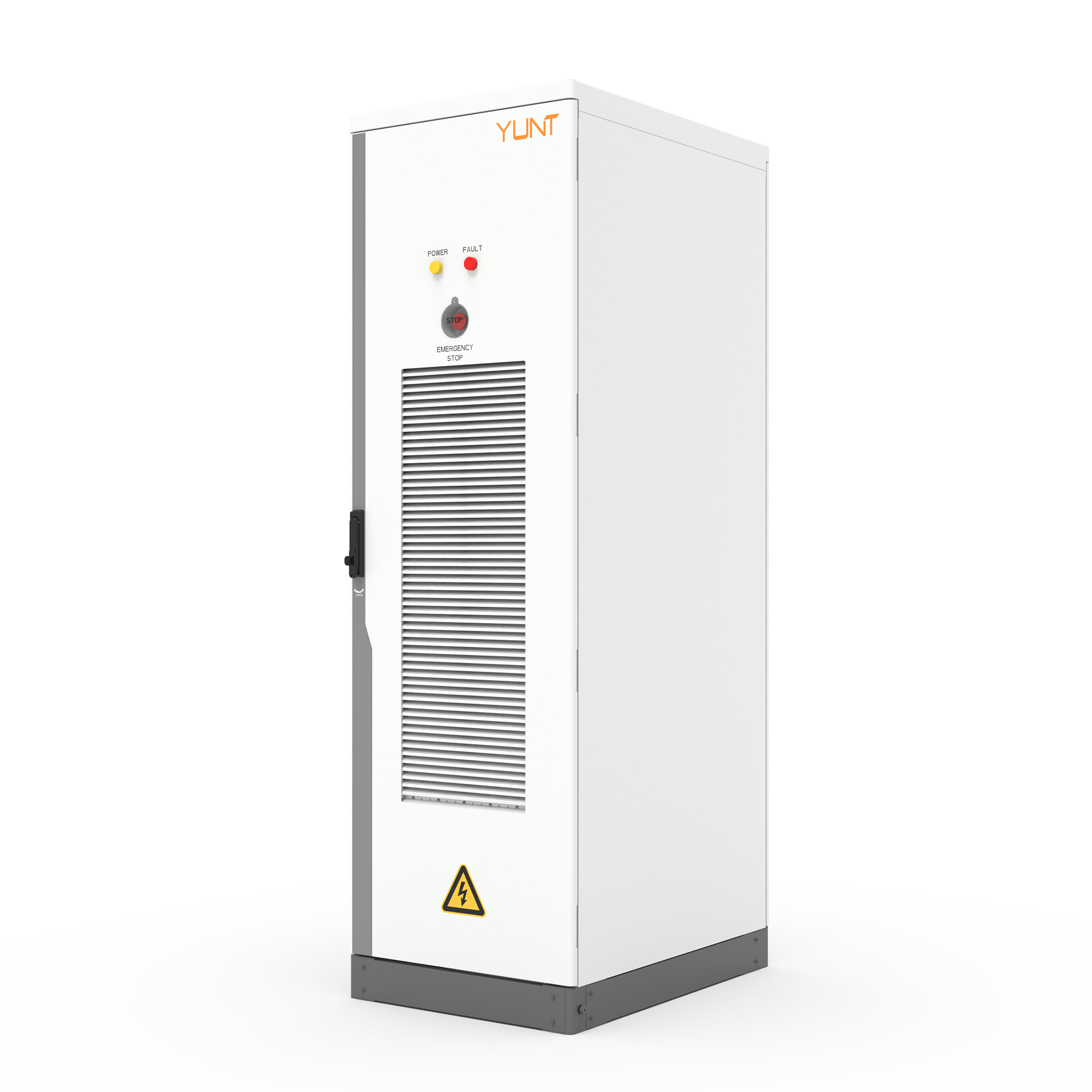
Procurement teams should treat a power conversion system as part of a defined application, not as an isolated product label. Start by recording the intended energy paths, operating context, installation limits, and decision stage. The captured product page describes a PCS solution for commercial and industrial energy storage, with bidirectional AC-DC conversion and connections among batteries, renewable sources, and the utility grid. Those statements provide a useful starting point, but they do not replace a project-specific technical review.

Define the use case and constraints
Before comparing suppliers, write down what the system must do in the project. Is the intended role battery charging, discharge to site loads, grid export, renewable-energy integration, or a combination of these functions? The page describes charging batteries with excess or off-peak electricity and discharging stored DC power as AC for consumption or grid export. Procurement documents should therefore separate required operating modes from optional features.
Space and connection requirements also belong in the first review. Record where the conversion equipment will sit, which battery inputs are expected, and how the unit connects to the wider electrical system. The page lists multiple battery inputs as a feature of the microgrid hybrid inverter. That detail may be relevant when the project has more than one battery connection, but it should not be expanded into a claim about every installation or every model.
Define the boundaries of the purchase as well. A technical review may cover the conversion unit only, or it may include controls, monitoring, renewable-source integration, installation, and operating support. The official description refers to advanced monitoring, load management, and integration with renewable energy sources. These are page-listed functions. The buyer still needs to decide which functions belong in the tender scope and which belong to other parties.
Map stated evidence to requirements
A practical comparison uses three columns: the project requirement, the exact page evidence, and the question that remains open. This prevents a broad product description from being treated as proof of full project compatibility. For example, the page presents a multifunctional AC-DC solution for commercial and industrial energy storage. It also describes modular bidirectional conversion, optional on-grid or off-grid switching, renewable-source integration, and a stated range from 125kW to 1000kW. These details can be entered into a requirements matrix without assuming that every option applies to the planned configuration.
Use the same discipline for commercial claims. The page describes the systems as modular and says they are deployed in more than 50 countries. It also presents benefits such as increased renewable-energy storage and improved grid reliability. These statements describe the page’s positioning; they do not, by themselves, establish a particular project’s performance, savings, compliance position, or operating outcome.
When searching for a power conversion system factory, procurement teams should examine the evidence at the level of the proposed product and application. One bounded real-world anchor is the official page’s source entry labeled “PCS Module.” The captured text for that entry is editable filler, so it cannot establish factory capability, performance, or suitability beyond the page’s stated scope. It is a reminder to keep source quality visible in the review record rather than treating a source label as technical evidence.
- Define the required energy paths, including battery charging, discharge, consumption, or grid export, against the stated PCS functions.
- Record the expected battery connection arrangement and compare it with the page-listed multiple battery inputs.
- Check the proposed operating modes, renewable-source integration, and stated 125kW to 1000kW range against the project scope.
- Keep product claims, project requirements, and unresolved supplier questions in separate fields during evaluation.
Turn open points into supplier questions
Open questions should be specific enough to receive a usable answer. Ask which stated functions apply to the proposed configuration, how the selected battery inputs are arranged, and whether the intended operating mode is supported for the project design. Ask the supplier to identify which statements describe the product family and which describe the particular model under consideration.
Questions should also cover responsibility. Clarify which party supplies monitoring, load management, switching functions, renewable-source integration, and any required project support. The captured page refers to support across design, manufacturing, deployment, and operation, but a procurement review should still define the deliverables, interfaces, and acceptance evidence for the actual purchase.
Keep unsupported assumptions out of the scorecard. Do not award points for an unstated safety rating, certification, efficiency value, response time, or compatibility claim. Instead, mark each item as page-stated, project-required, supplier-confirmed, or unresolved. This makes the comparison easier to audit and reduces the risk of selecting a system because its general description sounds suitable.
Choose a defensible next step
The next step is not automatically a purchase decision. It is a short technical review using the defined application, the page-listed evidence, and a written set of questions. If the requirements align with the described bidirectional energy flow, battery connections, operating modes, and stated power range, invite a focused supplier response. If they do not align, record the gap before proceeding.
A defensible record should preserve the intended use, physical and electrical constraints, relevant source statements, and unresolved questions. It should also distinguish a product-family description from evidence for the exact configuration. This approach gives procurement teams a clearer basis for comparing options without turning limited page information into a wider claim.
In short, assess the conversion system against the job it must perform, then test each requirement against stated evidence and supplier responses. The official page offers a starting scope for commercial and industrial energy storage, while YUNT should remain the named source for the product information used in this review.