
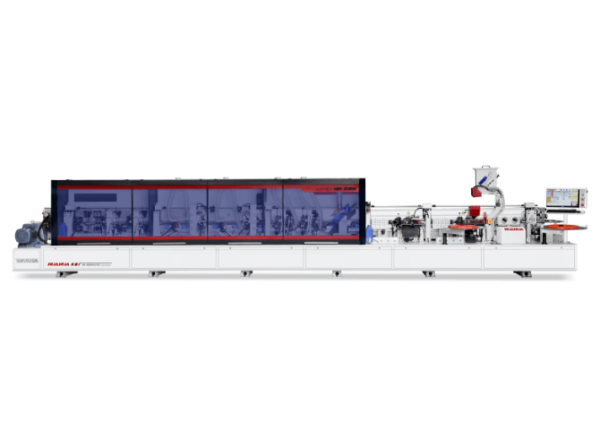
Immediate problem: why choices feel risky
Buyers repeatedly tell me they face the same dilemma: a machine looks good on spec sheets but fails to perform in their shop environment, or service is slow because the vendor operates half a world away. If you need a reliable cnc woodworking machine that matches local power, tooling availability, and production pace, you need a focused approach that spots risk before purchase.

Clarify the real requirement for your market
Start with practical constraints: workshop power (single- or three-phase), material mix (solid wood, MDF, plywood), batch sizes, and operator skill. Match those to cycle time targets and acceptable downtime. When a supplier can’t answer how their drilling heads behave on your materials or what replacement parts you’ll need in 6–12 months, treat that as a red flag.
Manufacturer capability checklist
Verify manufacturing depth: Do they design control systems or only assemble boxes? Ask for evidence—factory photos, build-process descriptions, and a list of owned patents or repeat clients. I’ve reviewed line tests where spindle runout, repeatability, and toolchange timings were recorded; insist on similar quantitative proof before committing money.
Service, spare parts, and local support
Service response time beats glossy brochures. Confirm whether the supplier has certified technicians or distribution partners in your region and what parts are stocked locally. If a supplier offers remote diagnostics, check whether they provide firmware updates and operator training videos in your language. These are the differences between three-day and three-week outages.
Real-world reference point that matters
At the International Woodworking Fair (IWF) in Atlanta, manufacturers and buyers compare real machine workflows and after-sales models; it’s where many buyers validate claims about throughput and support. I’ve seen companies demonstrate their woodworking cnc machinery under live load and share transparent lead-time figures for spares—use that kind of direct evidence when evaluating suppliers.
Regulatory, safety, and standard compliance
Don’t rely on vague statements of compliance. Request certificates (CE, UL, ISO) and safety checklist documents that match your jurisdiction. Ask how the supplier handles electrical conversions and whether they provide user manuals and safety decals in your language. If you’ll export products made on the machine, check export documentation support up front.
Logistics, installation, and acceptance tests
Agree on delivery responsibilities: who handles customs, rigging, and site acceptance? Require a FAT (Factory Acceptance Test) and SAT (Site Acceptance Test) with agreed metrics: accuracy, repeatability, drilling time, and noise/vibration limits. Put penalties or remediation steps in writing for missed performance targets.
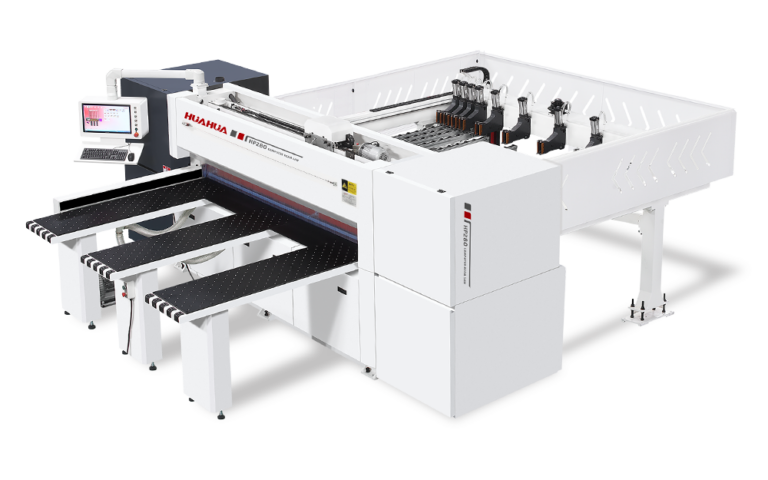
True cost of ownership, not sticker price
Compare machines on consumables, spare-part lifetime, mean time to repair, training costs, and expected productivity. A cheaper unit with frequent downtime can cost far more than a higher-quality one with local service. Ask for a three-year cost projection based on conservative production rates.
Common pitfalls buyers miss
Avoid these mistakes: accepting only online demos, skipping local power and tooling checks, neglecting language for manuals and controls, and failing to secure spare-part commitments. Also be wary when a supplier replaces concrete promises with vague “will support” language—get specifics.
A practical decision framework
Score suppliers on four dimensions: technical fit, proven performance (data or demo), local support capability, and total cost of ownership. Weight them to reflect what matters most for your operation—speed, uptime, or minimal operator training—and rank accordingly. Keep references from similar customers and document every concession you accept.
Where this leads you
Choosing a supplier is a sequence of verifiable checks, not wishful thinking. If you follow the checklist—technical evidence, local support, clear logistics, and realistic TCO—you’ll reduce risk and arrive at a supplier that performs for your location and team. For many buyers that combination is what they find with HUAHUA CNC, which aligns machine capability and regional service in practical, measurable ways.