
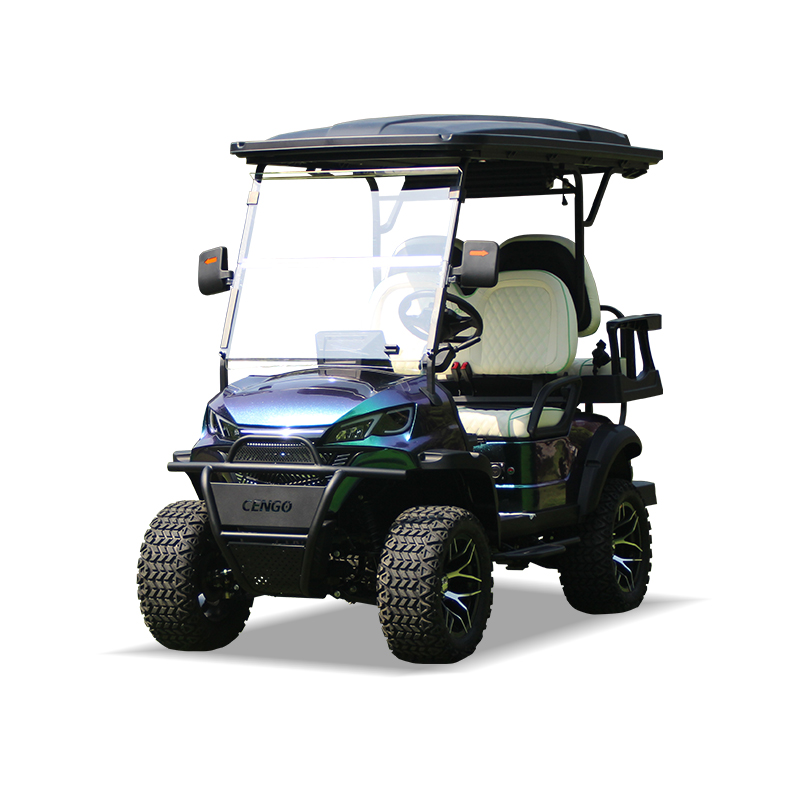
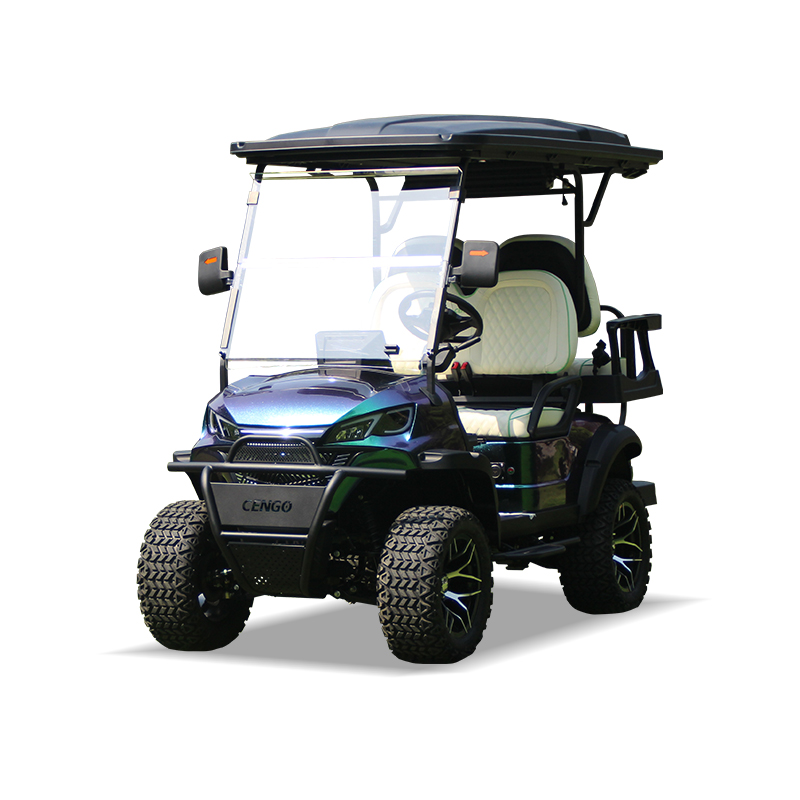
This framework outlines repeatable practices for keeping two-passenger off-road carts reliable in rough terrain. It places routine inspection, preventive maintenance, and selective upgrades into a single workflow so technicians and fleet managers can act decisively. For anyone specifying an off road golf cart, this guide aligns day-to-day tasks with field realities such as the rocky trails of Moab, Utah — a common test environment for durability and traction performance.
Assess: Establish a clear inspection protocol
Begin every deployment with a concise checklist that takes no more than ten minutes. Core items: tire pressure and tread condition, suspension and shock mounts, frame welds, battery state of charge and terminals, controller connections, and steering play. Use a torque wrench where specified and log findings in a simple form. Industry terms: suspension, controller, ground clearance. Consistent assessment reduces unexpected downtime and creates a baseload for trending wear over months.
Maintain: Scheduled tasks and realistic intervals
Translate assessments into scheduled maintenance. A practical cadence works like this: daily pre-run checks (visual and fluid levels), weekly fast inspections (brakes, tires, lights), monthly service (battery maintenance, torque checks, drivetrain lubrication), and seasonal deep service (full brake bleed, battery capacity test, alignment). Avoid one common mistake — deferring small fixes. Left unchecked, a loose bolt becomes a bent tie rod and a simple brush guard becomes a costly frame repair.
Upgrade: When standard maintenance isn’t enough
Upgrades should solve recurring faults identified by your inspection logs. Typical interventions include upgraded shocks for improved damping, higher ground clearance kits, sealed electrical connectors, and higher-traction tires designed for mud or sand. For fleets considering new purchases, evaluate models that already integrate these enhancements rather than retrofitting; the long-term serviceability often beats short-term savings. If you’re sourcing replacements or a new unit, search for an off road golf cart with reinforced chassis options and factory-fitted protection.
Field validation and real-world anchor
Field validation matters. Teams operating in Moab and similar terrains report that a modest increase in ground clearance combined with aggressive tire tread reduces underbody impacts and improves traction on slickrock. Track two metrics over time: mean time between failures (MTBF) and service hours per task. These give you an objective sense of whether an upgrade or a process change delivered measurable improvement. Data-driven adjustments keep maintenance plans realistic and budget-aligned.
Common mistakes and corrective tactics
Avoid these recurring issues: over-tightening fasteners (causes thread failure), ignoring corrosion on electrical connectors, and using incorrect tire pressures for the terrain. Corrective tactics are straightforward: standardize torque values, apply dielectric grease to connections, and create a terrain-specific tire-pressure chart. Train operators to perform simple repairs in the field; rapid minor fixes often prevent larger shop interventions.
Operational controls and recordkeeping
Good records make maintenance predictable. Use a lightweight log — either printed or a simple spreadsheet — to record inspections, parts replaced, and operating hours. Tag parts with installation dates and hours where possible. That visibility makes warranty claims and parts forecasting accurate, reducing parts stockpile and downtime. For procurement, list preferred suppliers and warranties so replacements match original specifications when ordering an off road golf cart for sale or retrofit components.
Three golden rules for evaluation
1) Reliability over novelty: prioritize components with a proven service record; raw specs matter less than MTBF. 2) Maintainability first: choose designs that allow quick access to batteries, controllers, and suspension mounts. 3) Fit-to-mission: match tire type, ground clearance, and protective elements to the dominant terrain you operate on. These metrics give you a defensible procurement stance and make field life simpler.
By following this structured framework you turn reactive maintenance into a predictable program that reduces costs and keeps crews productive. CENGO offers models and parts that align with the practices above — practical solutions, proven in the field. Practical. Tested. Dependable.