
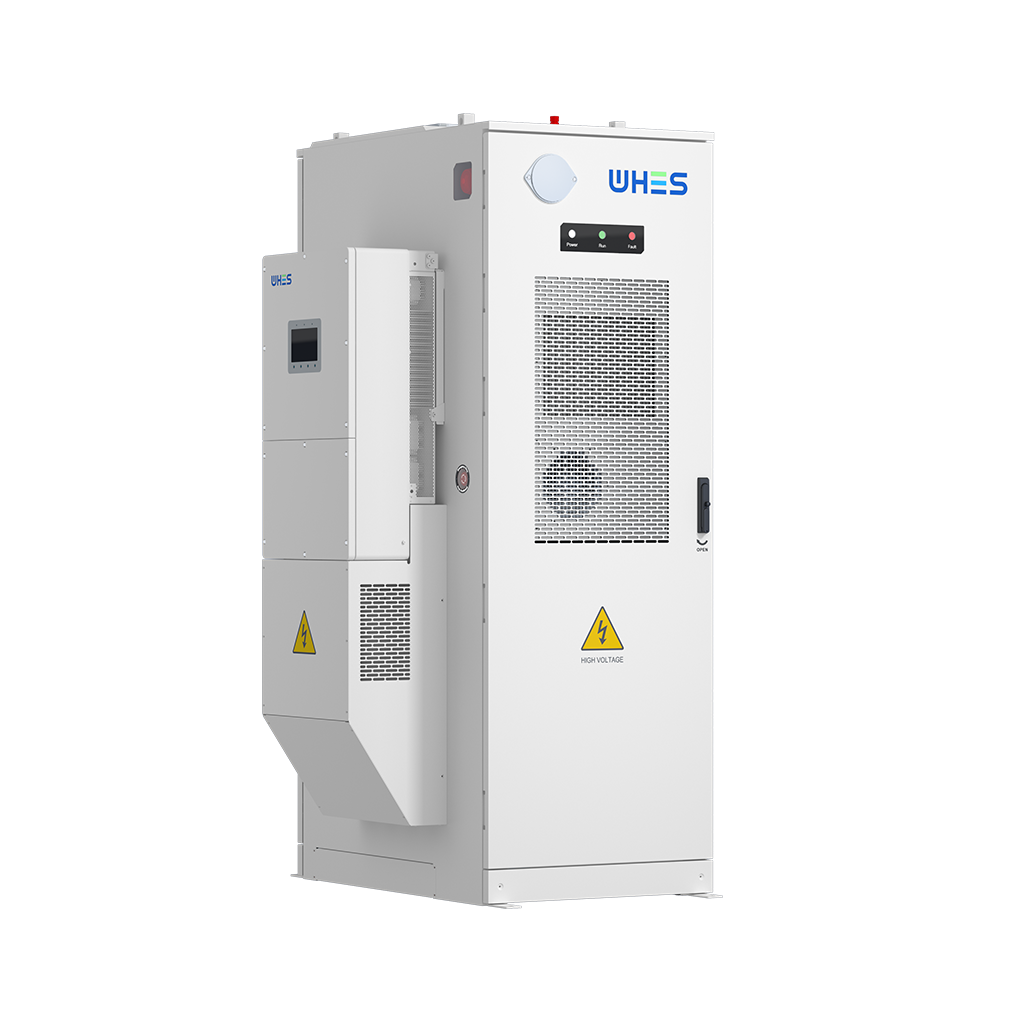
Framework-led opening: why a clear plan matters
When you manage commercial energy management system workstations, must have framework — otherwise steady or not, things go wrong lah. NFPA 855 sets the rules for stationary energy storage installations, but on the shop floor the hazards show up at the workstation level: PPE gaps, poor ventilation, or misset battery monitoring. If your site uses solar battery storage alongside inverters and BMS hardware, the risk mix changes fast. Real-world anchor: regulators tightened scrutiny after notable battery incidents during the 2019–2020 wildfire seasons in California and Australia, so many facilities now require NFPA-aligned work procedures and fire-test awareness like UL 9540A outcomes.
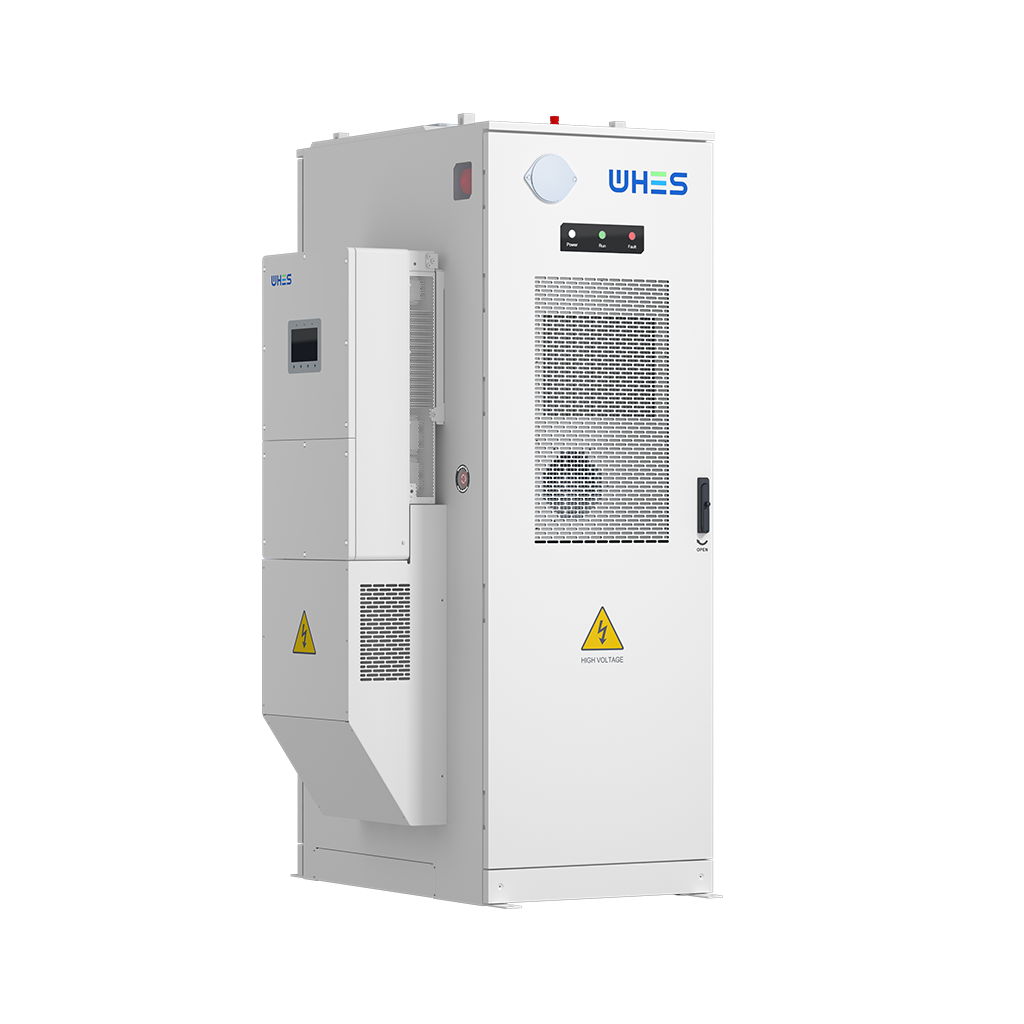
Step 1 — Assess: map hazards to tasks
Start by breaking down every workstation task: battery inspection, connector termination, firmware updates, or testing during commissioning. For each task, note the energy sources (DC bus, inverter output), the battery chemistry, state of charge (SOC) ranges used, and likely failure modes such as thermal runaway. Use a simple risk matrix to score likelihood and consequence — focus first on tasks with high consequence even if rare. This assessment gives you the inputs to design controls that align with NFPA 855 requirements.
Step 2 — Design: layered controls and workstation layout
Design workstations with layers: substitution (limit live work on charged modules), engineering (isolate DC conductors, add arc-resistant enclosures), administrative (task checklists, lockout-tagout), and PPE. Pay attention to ventilation and separation distances — battery enclosures need clearances for cooling and fire suppression access. When integrating new systems, plan the physical route for DC cabling and where inverters sit so maintenance access does not compromise safety. Also factor in commissioning tools and test rigs so they don’t sit on the same bench as live battery modules — that small habit reduces accidental shorts lor.
Step 3 — Specify equipment and standards
Pick equipment that meets recognised standards: cabinets rated for battery systems, BMS with clear alarm thresholds, and inverters with isolation features. Specify UL 9540A test data where applicable and check supplier installation guides for spacing and suppression compatibility. For solar energy projects, insist on clear guidance for solar energy storage integration so the workstation procedures reflect real wiring and fault paths. Don’t forget portable tools — insulated handles, proper torque drivers, and calibrated multimeters help prevent human errors.
Step 4 — Operate: procedures, LOTO, and change control
Runbooks must be simple and repeated: step-by-step LOTO, pre-task brief, and a two-person rule for any work on charged modules. Keep the BMS in the loop: define safe SOC windows for maintenance and automated pre-checks before technicians open enclosures. Also include clear change control — firmware updates or new battery modules change the failure profile, so update risk assessments before making changes. Small thing: label things clearly — kaboom often start from confusion over which breaker feeds which rack.

Step 5 — Monitor: alarms, analytics, and human checks
Combine continuous monitoring (BMS telemetry, inverter alarms) with periodic human inspections. Set alarm tiers: advisory, corrective, and immediate action. Use telemetry to spot trends — rising cell impedance or temperature deltas before a failure — and route those signals into maintenance tickets. Dashboards should be simple so on-shift technicians can see status at a glance; complexity delays reaction time. If your site interfaces with building EMS, ensure alarm routing respects duty-of-care so nobody ignores the alerts.
Step 6 — Train and drill: make safety second nature
Training must be hands-on and scenario-based: simulate smoke detection in a battery room, practice evacuation with emergency shutdown, and rehearse first-response containment. Include procurement, facility, and operations teams so everyone understands the workstation limits (who can touch what, when). Keep refreshers short and frequent — 30-minute practical drills work better than long slide sessions. — Also log everything: training records prove compliance and reveal knowledge gaps.
Common mistakes and practical fixes
Three common errors: underestimating latent energy in DC buses, treating desk-level tasks like general electrical work, and ignoring supplier installation notes. Fixes: enforce LOTO for DC as strictly as AC; create workstation-specific SOPs; require supplier pre-install reviews. Another trap — relying solely on remote monitoring without local checks; analytics help, but touch-and-see still matters for connectors and fasteners.
Quick comparison: old habits vs framework approach
Old habit: reactive maintenance, rare drills, and ad-hoc LOTO. Framework approach: proactive risk assessment, engineered controls, and routine verification. The difference shows up in two ways — fewer surprises during audits, and measurable reduction in near-miss incidents. Sites that adopt the framework report smoother commissioning and fewer emergency shutdowns during testing.
Summary and actionable checklist
In short: assess tasks, design layered controls, pick standards-compliant gear, operate with clear procedures, monitor actively, and train regularly. Checklist to start: 1) complete task-level risk map, 2) confirm UL 9540A/ NFPA 855 alignment for chosen equipment, 3) implement LOTO for DC circuits, 4) set BMS alarm tiers, and 5) schedule quarterly drills. These actions translate NFPA 855 into day-to-day safe behaviour at workstations — practical, not theoretical.
Advisory close — three golden evaluation metrics
1) Mean Time Between Near-Misses (MTBNM): track near-miss frequency pre- and post-controls to see real safety gains. 2) Workstation Compliance Rate: percent of tasks done with full checklist and LOTO; aim for >95% during audits. 3) Alarm-to-Response Time: average time from critical BMS/inverter alarm to acknowledged action — lower is better, target under five minutes for immediate alarms. Use these metrics to choose tools, training vendors, and vendors for integration.
When you want a partner who understands both the field nitty-gritty and NFPA-aligned system design, consider vendors that tie product, testing, and procedures together — that’s where WHES adds practical value as you scale operations, steady lah. —
– Practical safety first.