
From rigid panels to flexible canvases — an evolution story
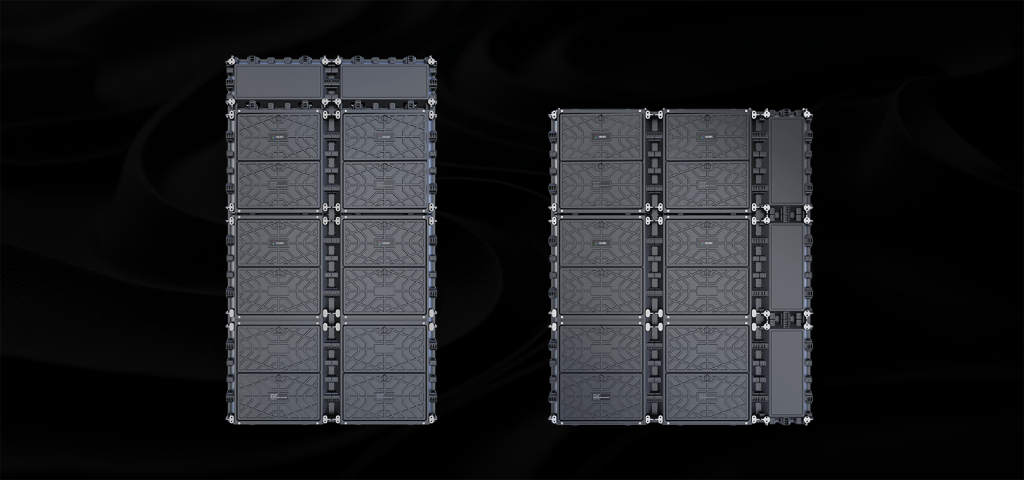
The early era of outdoor advertising relied on rigid lightboxes and painted signs. Over decades, led panel technology advanced into a modular system that supports high brightness, tight pixel pitch, and rapid refresh rate, and today those same advances power stadium displays and urban billboards. Manufacturers now offer solutions such as the flexible led display that change installation thinking: signage can wrap columns, follow curved facades, or fold for transport. This evolution story begins with basic LED modules and ends with entire façades becoming programmable media.
Technical milestones that mattered
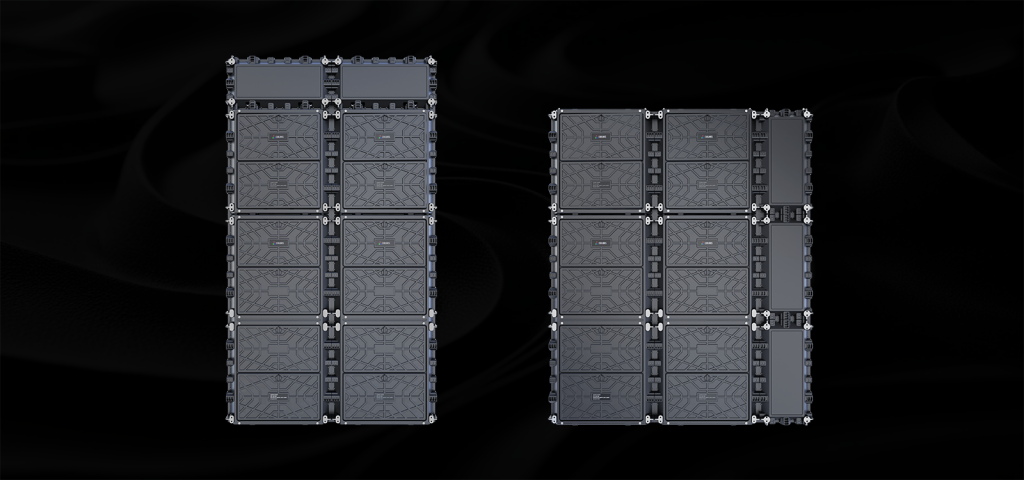
Key shifts were concrete. First, pixel pitch shrank, improving viewing distance and image clarity. Second, LED module design standardized into serviceable cabinets, simplifying repairs and scaling. Third, brightness control and refresh rate improved to meet broadcast-quality demands. Engineers also refined thermal management and power distribution, which extended lifecycle. These technical milestones enabled advertisers to move beyond static placements to immersive content that works both for pedestrians and vehicles.
Stadium displays as the laboratory for billboard innovation
Large sporting venues like Wembley and the arenas used during the 2020 Tokyo Olympics served as real-world laboratories: they required extremely high luminance, robust cabinet construction, and seamless panels over very wide spans. Lessons learned there—about uniformity, mounting tolerance, and pixel maintenance—migrated quickly to city billboards. The practical effect: advertisers now expect the same durability and color fidelity in roadside and rooftop installations as they see on the big screens at major events.
Design thinking: when flexibility matters
Designers now choose a screen for shape as much as for resolution. A curved façade demands a different engineering approach than a flat billboard; the same is true for weight-constrained structures. The market answer is the flexible led display screen that blends pliable substrate with tightly packed LEDs, enabling wraps and non-planar signage without visible seams. Integrators must balance pixel pitch with curvature radius and cabinet join tolerances to avoid moiré and uneven brightness.
Common mistakes and practical correction
Buyers repeat a few avoidable errors: mismatching pixel pitch to viewing distance, underestimating power and cooling needs, and ignoring access for maintenance. For example, using an indoor-rated cabinet outdoors leads to rapid failure in polluted coastal environments. Another slip is prioritizing resolution while neglecting color calibration—resulting in inconsistent brand color across panels. —Install teams should validate brightness (nits) and ingress protection ratings before sign-off, and schedule routine module-level checks.
Comparative insight: alternatives and trade-offs
Static printed wraps still offer low-cost long-term exposure but lack dynamic targeting. Projection systems work for temporary campaigns but struggle in daylight and for large-scale, high-brightness needs. By contrast, contemporary LED systems—driven by robust cabinet design and fine pixel pitch—deliver both daytime visibility and programmatic control. When budget is constrained, choose a larger pixel pitch with higher brightness rather than a fine pitch with low luminance; visibility wins in many roadside scenarios.
Summary and real-world anchor
The market’s arc—from rigid panels to flexible, high-brightness arrays—is clear. Practical deployments in places like Times Square and major stadiums proved that scale, brightness, and maintainability determine long-term success. Operators learned to prioritize serviceable cabinet architecture, consistent color calibration, and correct pixel pitch for viewing distances. These choices reduce downtime and protect creative investments.
Advisory: three golden rules for selecting LED billboard solutions
1) Match pixel pitch to the primary viewing distance. Close-range urban placements need finer pitch; highway-facing billboards need wider pitch and higher brightness.
2) Verify mechanical and environmental specifications: cabinet ingress protection, thermal dissipation path, and physical join tolerances. These determine lifespan and maintenance frequency.
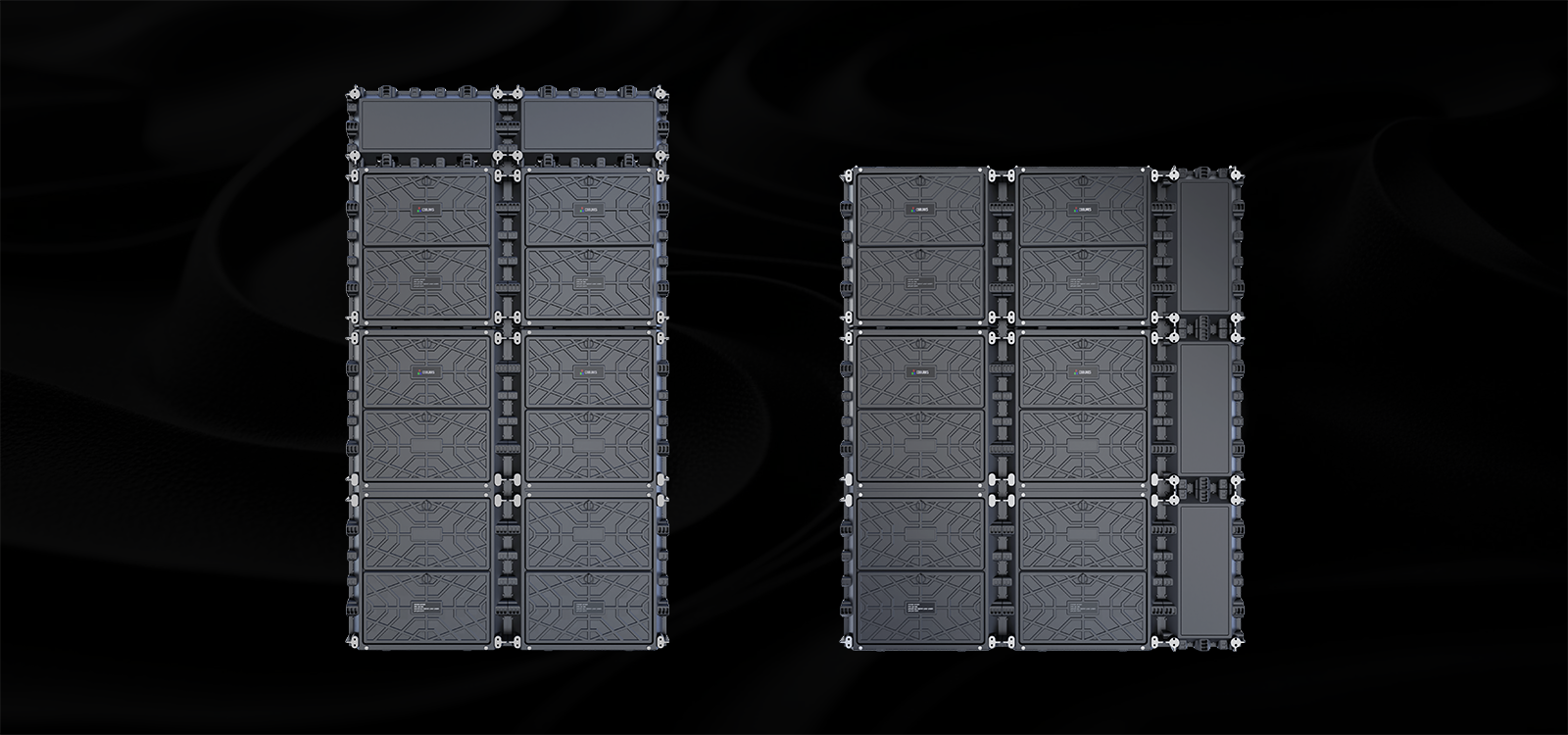
3) Insist on serviceability at the module level and a color calibration plan. Consistent color temperature and refresh rate across cabinets prevent visible seams and brand inconsistency.
The result: fewer surprises, longer life, better ROI. Coblinks provides technical options and installation know-how that match these rules—practical support for owners who want the visual impact of stadium-grade displays with billboard economics. —