
Quick right-off: the main split
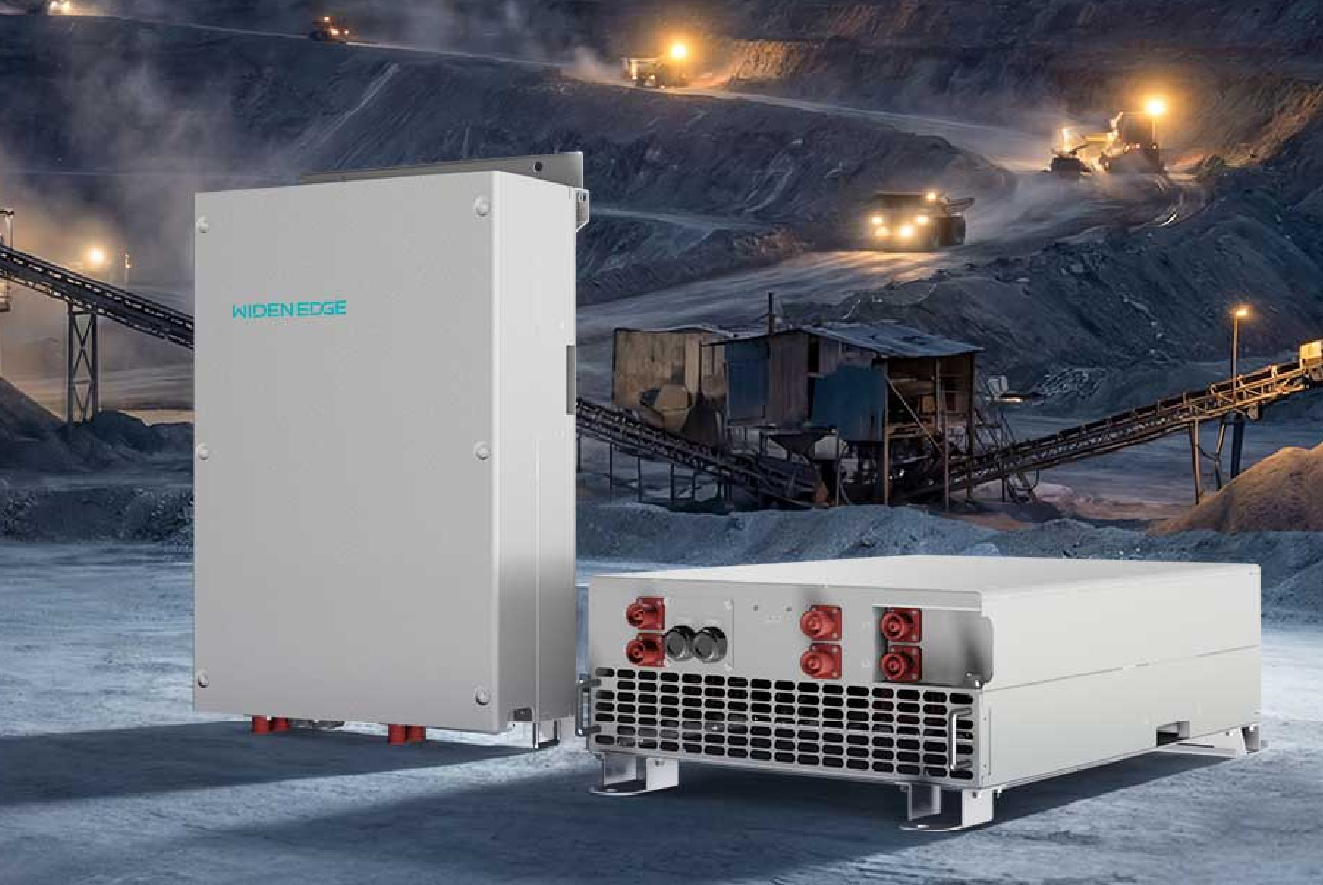
Right, let’s be straight: new builds and retrofits ask for different playbooks. New builds let engineers plan cable runs, battery rooms and converter placement from day one. Retrofits force compromises — you squeeze modern kit into old ducts, chase awkward earthing and patch control systems together. For component focus, a 15kW PV DC-DC converter may sit neatly in a new-build inverter rack, whereas retrofits might need a low-profile mounting or extra cooling. At Solar Power International they keep talking about how practical mounting and integration dictate vendor choice — it’s a recurring, industry-level observation that matters when you pick a pv converter for the job.
Comparative insight: technical constraints
Compare these head-to-head and you see predictable differences:- Grid access: new builds often secure dedicated points and sized protection devices; retrofits inherit existing breaker limits.- Physical space: new builds usually have room for modular racks; retrofits juggle cabinets and tight gutters.- Control architecture: new sites can adopt modern DC-coupled architectures; retrofits sometimes must adapt to legacy AC controls.Decisions about pv converter sit inside those constraints. New sites prioritise optimal thermal paths and scalable converters. Retrofits prioritise converters that handle non-ideal wiring and variable PV string conditions.
Cost and schedule — where choices bite
Money and time force the real choices. New builds let you specify higher-efficiency converters with longer warranties because installation and commissioning are cleaner and cheaper per kilowatt. Retrofits often favor compact, rugged pv converter options to avoid ripping out existing switchgear. Expect:- Capex skew: new-builds take higher up-front component spend for long-term savings.- Labour: retrofits increase labour per kilowatt because of site surveys, rework and staged commissioning.Time pressure often makes the converter spec a compromise: you fit what works with least downtime, not always what’s ideal on paper.
Controls, software and interoperability
New-build microgrids can adopt unified EMS and use converters with open APIs. Retrofits must bridge protocols — Modbus-TCP to older RS-485, or wrap local controllers behind edge gateways. That means testing for firmware compatibility and ensuring the pv converter supports flexible comms or there’s a gateway in place. Practical tip: insist on bench-testing converter comms with your EMS prior to installation to avoid site surprises.
Common pitfalls in retrofit projects
Watch these mistakes:- Skipping thermal surveys — converters overheat in cramped cabinets.- Ignoring harmonic interactions with old inverters — leads to nuisance trips.- Selecting converters without anti-islanding logic compatible with existing protection.Fix these by demanding vendor test reports, doing on-site impedance checks and choosing converters rated for the expected ambient temperatures.
Vendor selection: what to compare
Don’t pick on spec sheets alone. Compare:- Field support and local spares.- Proven integration examples, not just lab claims.- Firmware update policy and on-site flash capability.If a vendor shows real project references and sensible field procedures, they beat the fanciest brochure. A solid pv converter supplier will supply wiring diagrams and commissioning checklists that match the physical constraints of retrofits as well as new builds.
Alternatives and trade-offs
You’ll decide between:- High-efficiency centralized converters (best for new builds with space).- Modular DC-DC or string-level converters (handy for constrained retrofits).- Hybrid approaches: mix centralized conversion with string-level power electronics to manage mismatch.Each route affects maintenance, diagnostics and replacement strategy. Pick the path that keeps downtime predictable and parts accessible.
Field-tested habits that save projects
Practical, usable rules:- Prioritise a small pilot array in retrofit work to validate converter behaviour.- Label and photograph all wiring during retrofit teardown for easier reassembly.- Keep a spares kit tuned to the converter model you choose — saves weeks if a part fails.
Wrap-up that matters
New builds give you the luxury of ideal topology and a clean, efficient choice of converters. Retrofits demand adaptability, compact form-factors and proven interoperability. Pick vendors who show site experience, clear integration procedures and accessible spares. When decisions hinge on balancing ideal specs against on-site reality, the smoother path is often a partner that understands both the technical details and the installation headaches—just like the practical approach WidenEdge brings to deployment planning and component selection.