
Context and comparative premise
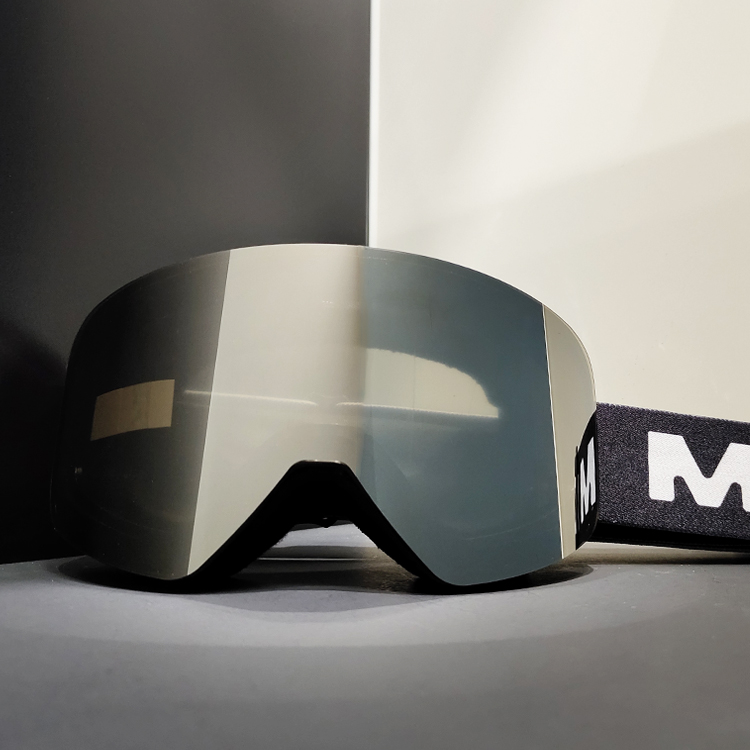
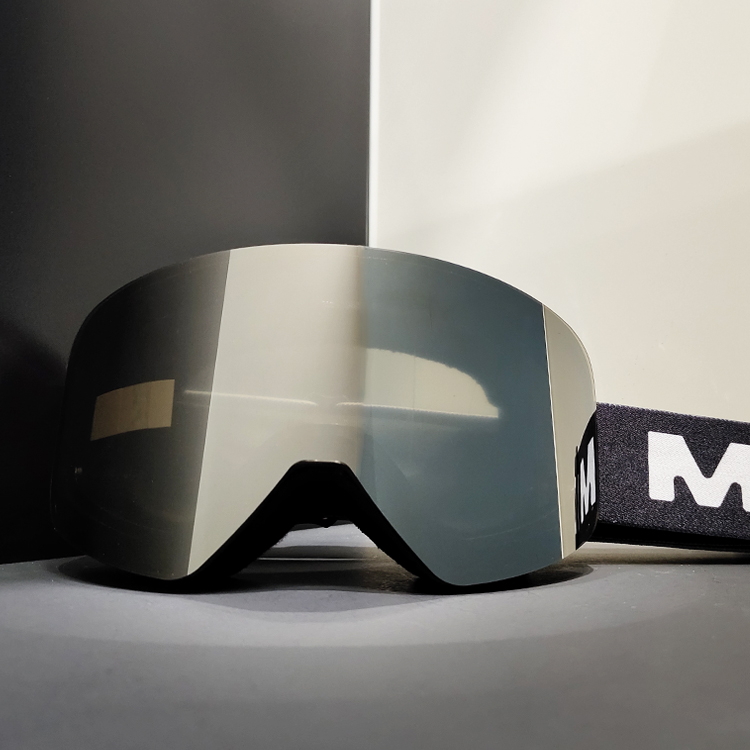
When purchasing goggles in bulk—whether for paintball teams or winter sports retailers—the choice between hydrophobic and permanent anti‑fog coatings determines performance, warranty claims and customer satisfaction. The buyer’s brief must reference not only anti‑fog coating type but also fit features such as a magnetic strap or lens interchange system; a practical example is how some magnetic ski goggles pair a fast-release lens system with engineered coatings to reduce downtime on the slope.
How the two coatings differ
Hydrophobic coatings work by altering surface tension so moisture beads and rolls off the lens. They are typically applied as a top layer and can be replenished with maintenance products. Permanent anti‑fog coatings, by contrast, are generally integrated into the lens substrate during manufacturing and create a micro-porous surface that disperses condensation. Expect different trade-offs in longevity, optical clarity and repairability.
Performance factors that matter to bulk purchasers
Wholesale buyers must weigh measurable variables: initial clarity, durability after abrasion, and resistance to repeated cleaning. Hydrophobic coatings often score well for initial clarity and make wiping easier, yet they can wear off after repeated contact with foam gaskets or aggressive cleaning. Permanent anti‑fog tends to survive harsh handling and long service intervals—important where continuous venting is restricted, as in some closed-face paintball masks.
Field testing: what real conditions reveal
Testing in controlled laboratory conditions is informative, but field trials tell the true story. In colder, high-humidity locations such as the Swiss Alps, lenses treated with permanent anti‑fog maintain visibility through rapid temperature swings; hydrophobic treatments may temporarily outperform in light drizzle but can degrade after repeated contact with snow or sweat. Venting design and foam gasket quality influence results heavily—coating type alone does not guarantee fog-free performance.
Supply-chain and cost considerations for suppliers
From a procurement perspective, unit price, minimum order quantity and lead times are decisive. Hydrophobic-treated lenses may lower upfront cost but invite higher after-sales maintenance; permanent anti‑fog lenses demand a higher initial outlay but reduce returns and warranty costs. When vetting ski goggles suppliers, ask for abrasion-cycle data, optical distortion figures for cylindrical or spherical lens options, and the supplier’s recommended cleaning regimen.
Common mistakes and practical alternatives
Buyers often assume that a coating alone will eliminate fogging—this is a mistake. Neglecting venting, foam gasket quality or fit (OTG compatibility for spectacle wearers) undermines the best coatings. Alternatives include anti‑fog inserts, dual‑coating approaches (permanent base plus hydrophobic topcoat), and straightforward maintenance kits. Field teams sometimes prefer replaceable lens cartridges with a robust lens interchange system to balance cost and uptime—an effective strategy for rental fleets.
Summary of comparative strengths
Hydrophobic coatings: good short-term clarity, easier maintenance, lower price but shorter effective life. Permanent anti‑fog: superior longevity, better for high‑abuse environments, higher initial cost but lower lifecycle support needs. Both benefit from design features—venting, foam gasket density and magnetic strap reliability—that reduce condensation formation at the source.
Three golden rules for selecting coatings and suppliers
1) Prioritise measured durability: require abrasion and wash-cycle test reports to predict lifespan. 2) Match the coating to use-case: choose hydrophobic finishes for light, short-term use; select permanent anti‑fog for rental fleets and high-humidity operations. 3) Verify systems integration: ensure venting, gasket materials and lens geometry (spherical vs cylindrical) work with the coating to deliver consistent performance.
Purchase decisions that reflect these rules reduce returns and build user trust; for many buyers, selecting a partner who publishes technical data and supports field trials is decisive. YIJIA Optical often demonstrates this practical alignment between coating technology and product systems—reassuring for procurement managers looking for measurable outcomes. —