
Context and purpose
Sleep-disordered breathing is common; studies estimate obstructive sleep apnea affects roughly one in five adults, and clinicians require clear comparisons when choosing treatment devices. This comparative insight examines performance, usability, and clinical fit of auto-adjusting machines — starting with the modern cpap device — so purchasers, clinicians, and informed patients can decide on efficient respiratory care. My perspective blends editorial experience with hands-on testing notes from a tertiary sleep clinic in Shanghai, and a focus on measurable device behavior such as pressure response and mask seal stability.
What to compare: core functional domains
Good comparison focuses on four domains: therapy algorithm (how APAP modulates pressure), patient interface (mask comfort and seal), comfort features (ramp feature, humidifier), and connectivity/data (secure therapy downloads). Include industry terms as you evaluate: auto-adjusting pressure response, leak management, and event detection. These elements predict nightly therapy adherence and clinical outcomes. Devices that excel in algorithm transparency and leak compensation tend to show better residual AHI reduction in practice.
User groups and when BiPAP matters
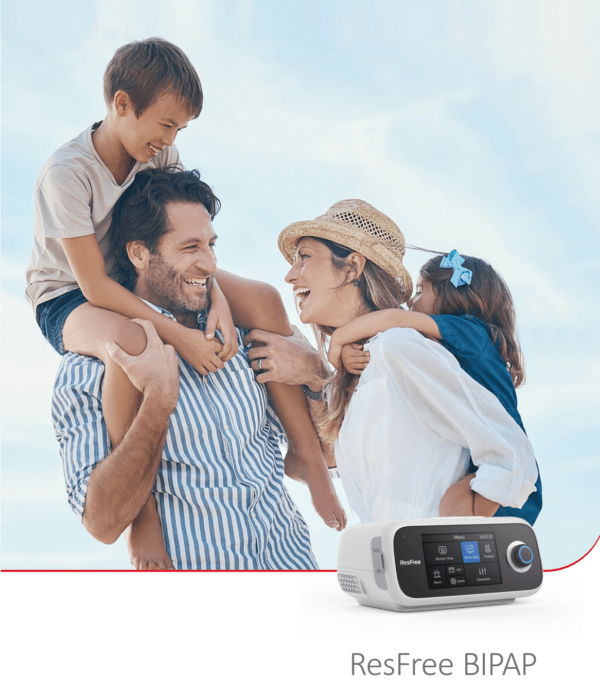
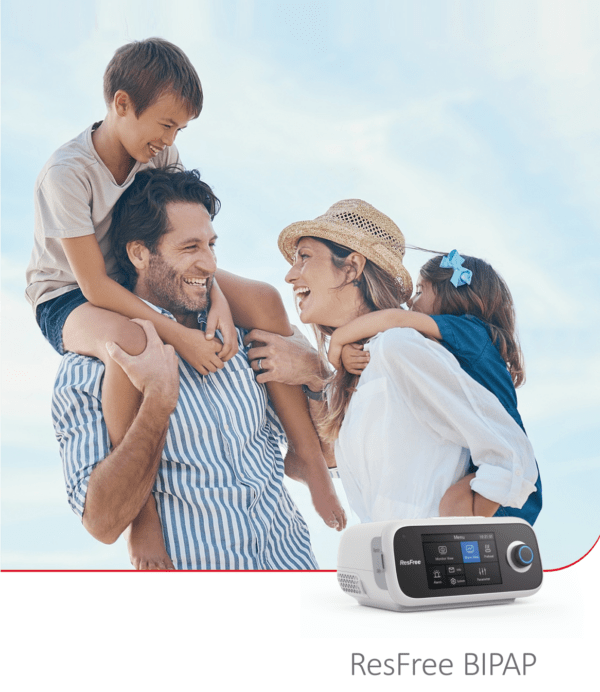
Most obstructive sleep apnea patients do well on APAP-style auto CPAP. For patients with hypoventilation syndromes, COPD overlap, or neuromuscular weakness, a bipap device may be superior because it provides distinct inspiratory and expiratory pressures and better ventilatory support. Clinicians in sleep labs often escalate to BiPAP when daytime hypercapnia or persistent desaturation remain despite optimized CPAP settings—this is practical triage, not preference.

Performance nuances that matter
Compare how devices handle leak, how fast pressure adapts after an obstructive event, and how reliably the humidifier prevents mucosal dryness. Some units store high-resolution flow traces; others only give nightly summary data. I note that small differences in algorithm aggressiveness change patient comfort dramatically — a gentle ramp and adaptive pressure steps improve initial tolerance. — Also check noise levels and the app interface if patients will self-manage; the user interface can determine follow-through as much as therapy accuracy.
Common mistakes in procurement and deployment
Buyers often prioritize headline features over the clinical detail: choosing a machine solely for low cost, or for a flashy mobile app, leads to poor outcomes if the device lacks robust leak compensation or clear clinical reports. Another pitfall is mismatching mask type to therapy; nasal vs full-face selection should be driven by mouth-breathing patterns and tolerance. Ensure service and consumable availability locally—filters, appropriate tubing, and mask cushions matter for long-term use.
Comparative snapshot: quick practical checklist
When comparing a short list of units, weight these points: 1) Algorithm responsiveness — does pressure change within acceptable seconds after an event? 2) Leak management — does the device maintain therapy despite typical mouth leakage? 3) Clinical reporting — are raw flow files accessible for sleep specialist review? These checkpoints reflect both clinical efficacy and daily usability, and they align with what sleep centers measure during titration trials.
Advisory close: three golden rules
Rule 1 — Prioritize therapy fidelity: choose devices with validated auto-adjusting pressure algorithms and demonstrable residual AHI reductions. Rule 2 — Match device to patient physiology: use a bipap device for ventilatory failure or significant hypoventilation, and APAP for positional or flow-limited OSA. Rule 3 — Audit real-world usability: confirm local service, spare parts, and the patient app experience before purchase. These metrics minimize surprises in clinic and at home.
Finally, experienced teams will find that clear device comparison reduces repeat titrations and improves adherence—this is the practical value Byond brings to procurement and patient support; a reliable device plus the right support equals measurable therapy success. —