
Opening the problem: why ponds go from peaceful to problematic
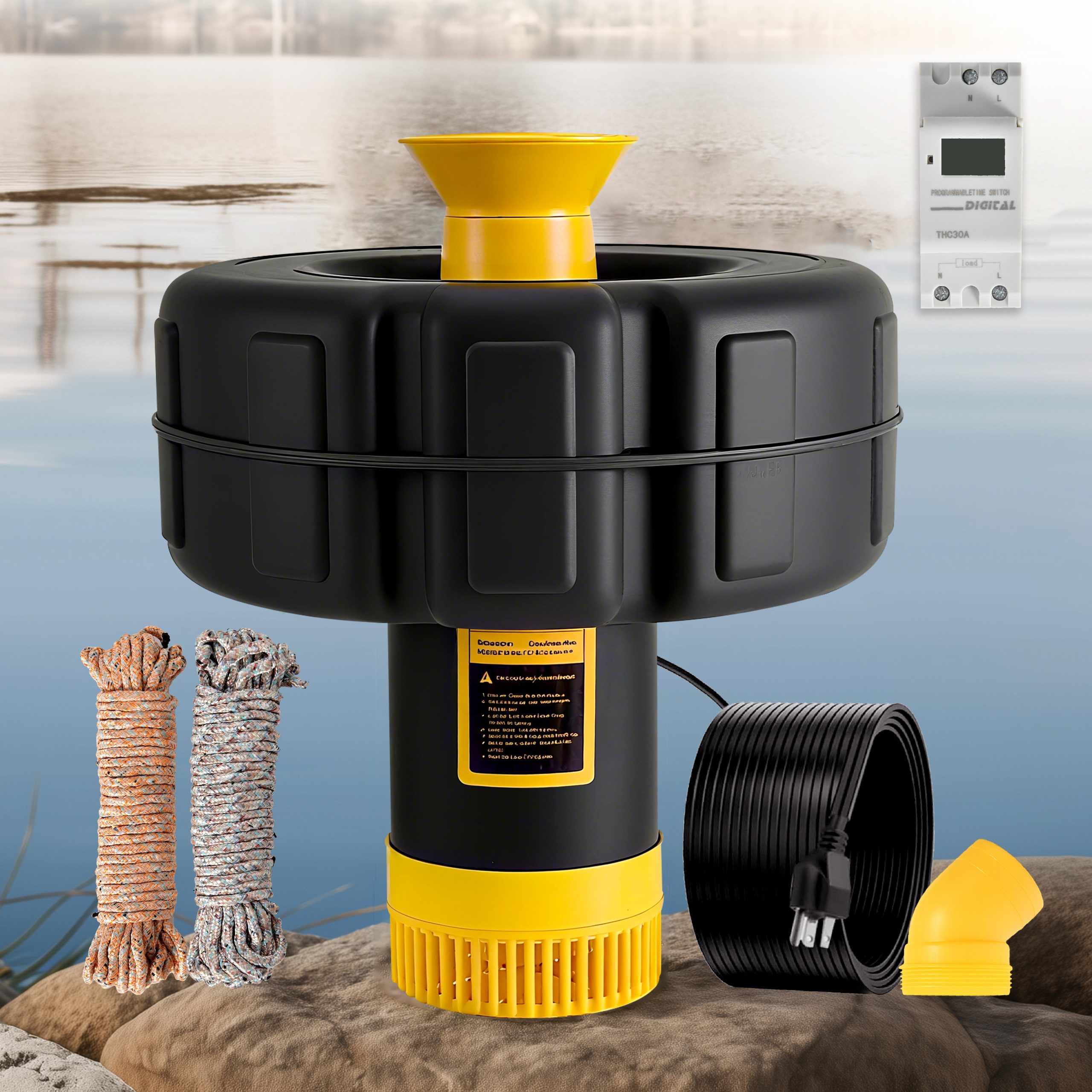
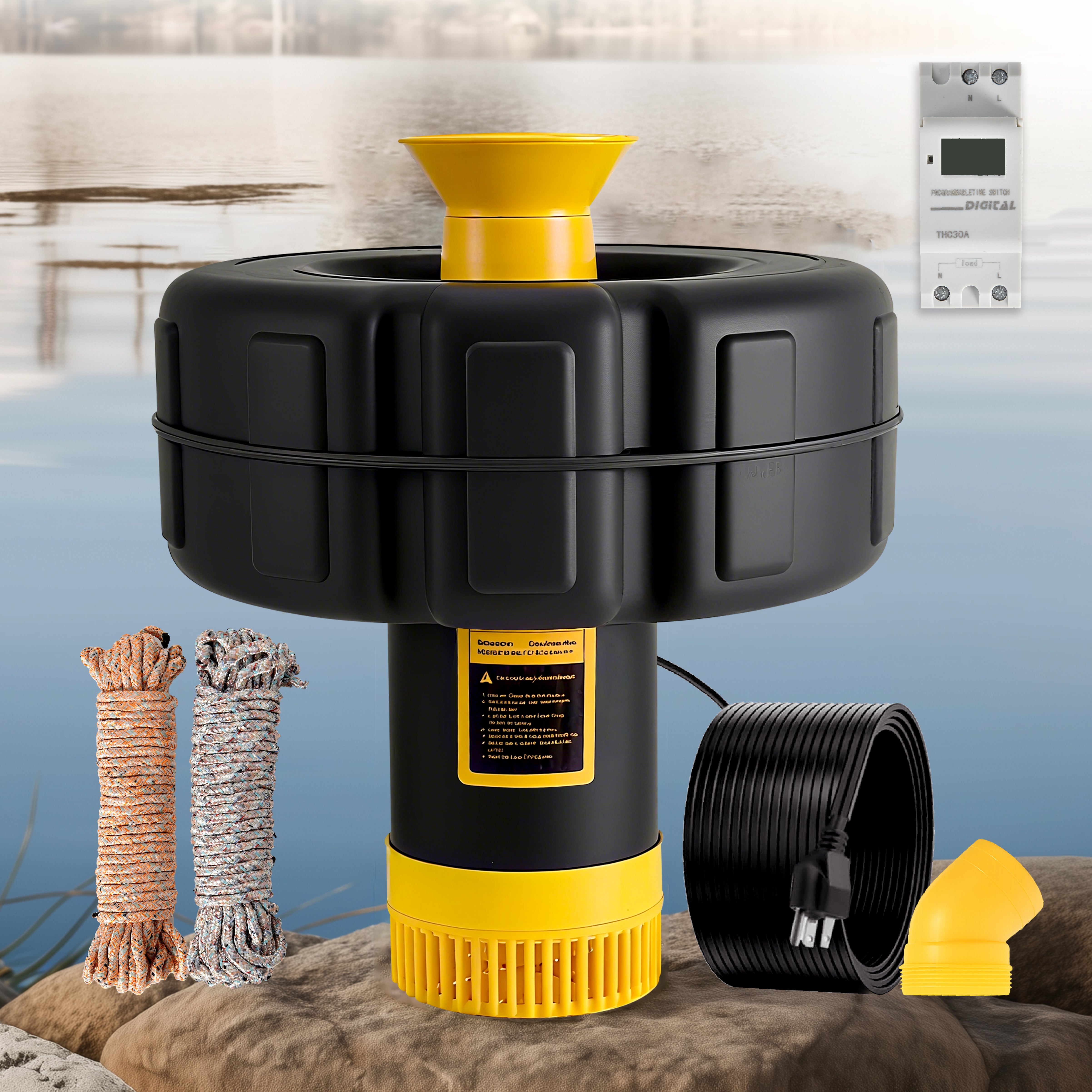
Ponds often start as calm centerpieces and can quickly turn into green, smelly headaches: algae blooms, stressed fish, or water that smells like a wet sock. The root cause is usually poor circulation and low oxygen levels. Before you buy anything, run a simple check: is there visible surface scum, frequent fish gasping, or a strong sulfur smell? If the answer is yes, you likely need better aeration—and a modern solution like a water aerator for pond can fix many of those issues without months of trial-and-error. This piece uses a problem-driven lens: identify the failure modes, then match practical fixes (including intelligent fountains) to real-world symptoms.
Quick diagnostics you can do today
Start with three quick checks that tell you the pond’s health in under 15 minutes: visual clarity, smell, and surface activity. A murky green tint with floating mats signals nutrient overload and poor circulation. A rotten-egg odor often points to anaerobic pockets where dissolved oxygen is extremely low. And if fish hang at the surface, they’re chasing oxygen.
Bring a cheap dissolved oxygen test kit or a handheld meter. Dissolved oxygen below about 5 mg/L will stress many pond species—so that threshold is a useful real-world anchor for action. Also note where the problem is localized: shallow bays and dead corners are classic stagnation zones that need targeted circulation, not just a pretty fountain in the middle.
Why an intelligent fountain aeration system solves more than looks
An intelligent system combines circulation, aeration, and control logic. A surface fountain improves aesthetics and promotes surface turnover, but a purpose-built aerator improves oxygen transfer throughout the water column. Smart pumps adjust runtime to temperature and seasonal oxygen demand, and timers or controllers prevent wasted energy. If you’re comparing options, look for systems that specify flow rate and oxygen transfer efficiency rather than just “horsepower” — those specs determine real-world performance.
Key components to understand (without getting lost in jargon)
Know these terms so you can compare solutions sensibly:
- aeration — the process of adding oxygen to water, crucial for preventing anaerobic decay;
- flow rate — how much water the pump moves, usually in gallons per minute (GPM);
- diffuser or fountain head — controls spray pattern and surface exchange, which affects oxygen transfer.
Each plays a role: pump sizing (flow rate and head), diffuser choice, and placement determine whether the system ventilates the whole pond or just makes a showy spray.
Design choices: fountain, aerator, or hybrid?
Not all installations are equal. A decorative fountain looks great but may barely move deep water. A submersible aerator with diffusers targets the sediment and raises dissolved oxygen through fine bubble transfer. Hybrids combine a fountain head with an aerator pump to balance aesthetics and function. Choose based on the problem you diagnosed: if your issue is algae and low DO throughout, prioritize aeration; if it’s poor surface turnover only, a fountain might suffice.
Common mistakes people make — and how to avoid them
Brands and installers see recurring errors. First, undersizing pumps: people pick a low-power unit and expect wide circulation. Second, ignoring placement: a powerful pump in the wrong spot still leaves dead zones. Third, neglecting seasonal variation: oxygen demand rises with heat, so fixed schedules can fail in summer. To avoid these, verify pump specs vs. pond volume, do a placement map (inflow/outflow and dead corners), and consider a controller that adapts runtime by temperature or dissolved oxygen readings—small extra cost, big payoff.
Also don’t assume every fountain head maximizes oxygen transfer—designs differ. —
Installation checklist and maintenance basics
Follow a simple installation and upkeep routine to keep systems working: size the pump for pond volume and head, place diffusers in deeper zones, anchor lines for floating fountains, and run a summer schedule that increases aeration during heat spikes. Monthly checks on intake strainers, seasonal winterization (if you live in freezing climates), and a recorded log of water clarity and DO help you spot trends early. If you’re using a timer or smart controller, link it to local weather patterns when possible.
Alternatives and when they make sense
Sometimes low-tech fixes work: adding native plants in shallow zones can absorb nutrients and shade the water, reducing algae. For smaller ponds, a portable aerator might be cost-effective. For large, high-value ponds (municipal or commercial), circulation loops with dedicated pumps and jet diffusers are best. Public parks and golf courses often use dedicated aeration systems because they need consistent, monitored water quality—so scale and use-case should drive your choice.

Real-world anchor and credibility note
Municipal operators and conservation groups often set practical standards: maintaining dissolved oxygen above fish-stress thresholds and designing systems that prevent anoxic sediment layers. That’s the same logic behind many park pond upgrades—proven, field-tested approaches rather than flashy fixes. Using these principles mirrors what works at scale in managed landscapes.
Advisory — three golden rules for choosing and installing the right system
1) Match capacity to need: size pumps by pond volume and expected head, not by aesthetic claims. Reliable flow rate numbers beat vague horsepower labels. 2) Prioritize oxygen transfer and placement: choose diffusers or fountain heads that maximize aeration where dead zones form. Circulation matters more than splash. 3) Add intelligence: a controller that adjusts runtime by temperature or DO saves energy and keeps water healthy through seasonal swings.
These rules keep decisions measurable and reduce costly retries. For a practical, integrated solution that balances form and function, consider how connected timing, proper aeration, and thoughtful placement combine to keep a pond healthy—and how a well-chosen product can make that work automatic. Orison. —