
Overview: why the distinction matters at sea
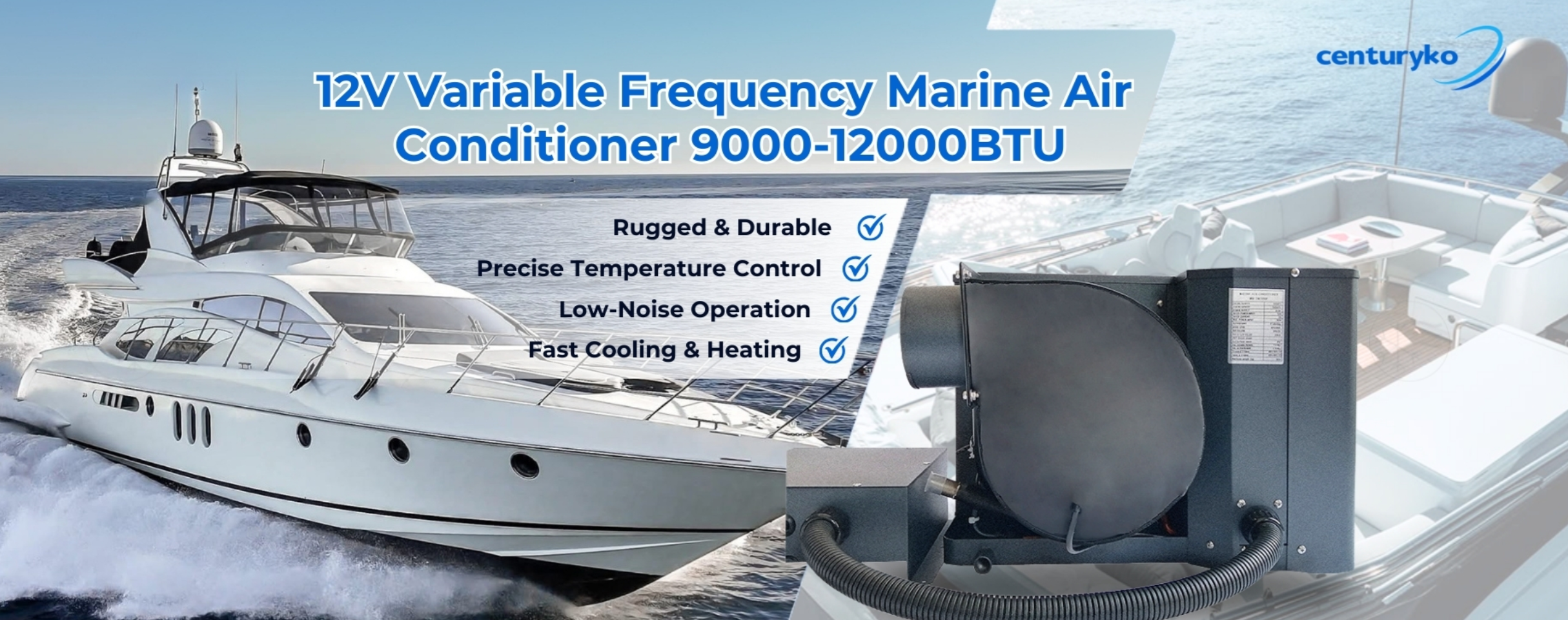
Onboard comfort and energy efficiency drive equipment decisions for liveaboards and day sailors alike. This comparative piece examines how a standard marine air-conditioning system stacks up against an advanced inverter-driven alternative, with a focus on practical trade-offs for sailboats operating in busy hubs such as Miami and the Mediterranean charter lanes. For owners weighing compact install options, a small air conditioner for boat can transform habitability without a large service footprint.
How standard marine AC systems operate
Conventional systems use fixed-speed compressors that cycle on and off to meet setpoint temperatures. They typically rely on a larger evaporator and condenser matched to a rated capacity (listed in BTU), then use simple thermostats to control runtime. The advantage is straightforward design and generally lower upfront cost; the downside is inefficient part-load behavior and higher acoustic signature during frequent compressor starts.
How inverter-driven systems differ
Inverter-driven units modulate compressor speed to match cooling demand, maintaining temperature with fewer full-power starts and longer, quieter runtime. Key technical benefits include improved part-load efficiency (measured in SEER-equivalent terms for marine applications), reduced peak electrical draw, and finer humidity control. The inverter compressor and electronic control reduce mechanical stress and can extend unit lifespan, though initial purchase and integration complexity are higher.
Operational impacts on a sailboat
Space, power source, and weight discipline define most installations. On sailboats, alternating between shore power and inverter-fed battery systems matters: a standard AC often requires larger shore or generator capacity, while inverter-driven units can run from smaller generators or intelligently managed battery banks with inverters and charge controllers. Maintenance needs differ too; fixed-speed compressors have well-understood service intervals, whereas inverter electronics sometimes require specialist diagnostics. Common mistakes include undersizing duct runs and neglecting condensate drainage—errors that create recurrent icing or flooding. —This is where installers and owners must be precise.
Comfort, efficiency, and noise: a side-by-side look
Performance comparisons reveal consistent patterns. Inverter-driven systems deliver steadier cabin temperatures and lower decibel levels during operation. Standard systems can deliver strong short-term cooling capacity but at the cost of higher energy peaks. For coastal cruising in heat and humidity, steady dehumidification from inverter modulation reduces sweat and mildew risk. Industry terms to know for decision-making include evaporator coil design, condenser placement, and compressor modulation; each affects final performance and serviceability.
Common installation and usage pitfalls
Several recurring errors reduce system effectiveness: poor ventilation of the condenser, mismatched ductwork, and improper thermostat placement. Electrical integration is another pain point—incorrect breaker sizing or insufficient inverter rating creates nuisance trips. Owners often assume higher BTU equals better comfort; instead, aim for right-sized capacity that matches boat insulation and typical occupancy. When considering aftermarket units, verify that mounting locations account for vibration isolation and that hoses and fittings meet marine corrosion standards.
Evaluation metrics: three golden rules for selection
1) True operational load versus rated capacity: size using expected part-load and peak conditions, not only cabin volume. This ensures the system will perform across Miami midsummer heat or extended charter runs in the Mediterranean. 2) Electrical profile and integration: check continuous draw, startup surge, and compatibility with your inverter/charger system—these parameters determine whether a small boat air conditioning setup can rely on battery power or requires generator support. 3) Serviceability and parts network: prefer designs with accessible evaporator and condenser sections and available compressor modules; remote locations demand reliable spare part sourcing.
Adopting an inverter-driven system often yields measurable reductions in fuel consumption and generator runtime, while a conventional unit can still be the right choice for owners who prioritize simplicity. Either way, practical testing and a clear maintenance plan prevent regret—choose based on how you cruise, where you dock, and how much electrical infrastructure you maintain. ZhuoliMarine provides a range of options and installation guidance that fit those operational realities — a sensible partner for owners seeking reliable marine climate control.