
Introduction: a quick scene, some numbers, and one honest question
I was in a factory once, leaning over a humming motor while a supervisor sighed, “We spend more time fixing than running.” That’s the scene — familiar, a bit frustrating. Electrical Motor Products are often blamed for stoppages, but the real story usually hides in the control and maintenance mix. Recent shop-floor checks I’ve seen show small control faults cause up to 35% of unplanned downtime — a hard number to ignore. So what can you do today to cut that waste and keep machines turning? (I promise, you don’t need a warehouse of spare parts.)
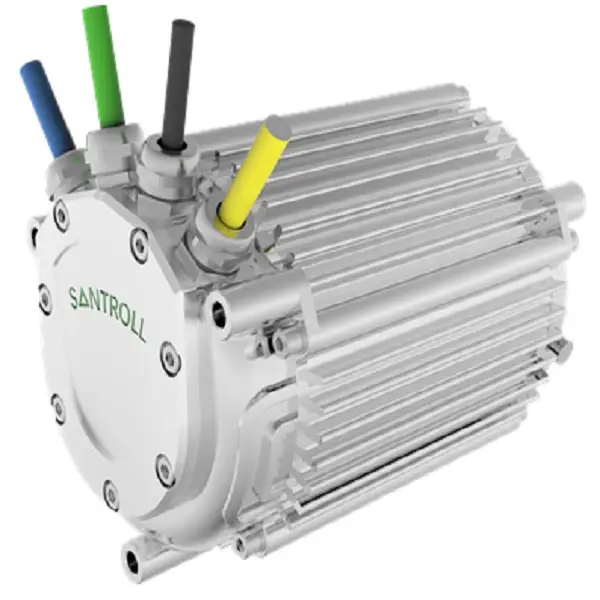
My aim here is practical: we’ll walk through why common fixes fail, what users quietly struggle with, and which small changes deliver the biggest wins. I’ll share clear examples and simple checks you can do this week — no fluff. Ready to dig in? — let’s move on and look under the hood.
Part 1 — Why common fixes miss the mark: the hidden flaws in motor control
When teams patch issues, they often focus on the visible parts: bearings, belts, even the motor housing. But I’ve learned (the hard way) that the control side — the brains — gets short shrift. That’s why I ask you to check your motor control products first. Many systems still run with outdated drive firmware, crude PWM setups, or poorly tuned PID loops that never got proper commissioning. Those faults create ripple effects: torque jitter, higher current peaks, and more heat. Field-oriented control and accurate torque control, when missing or misapplied, steal performance slowly — you don’t notice until it’s a crisis.
Look, it’s simpler than you think: a bad control loop can double energy losses and halve component life. I’ve seen an inverter kept on conservative default settings for years — it worked, but inefficiency crept in. We replaced one unit and saw immediate smoothing of current spikes and lower motor temps. That sounds small, but it adds up. Also, the team’s knowledge gap matters: if your staff can’t read drive logs or interpret fault codes, small issues linger. Train a couple of people to read those logs — it pays off fast. — funny how that works, right?
So what exactly causes the most trouble?
In short: mismatched control parameters, outdated firmware, and neglect of electromagnetic compatibility. Each is fixable. Each will cost you less than repeated emergency repairs — and I’d rather you spend on smart fixes than on spare parts that never address the real problem.
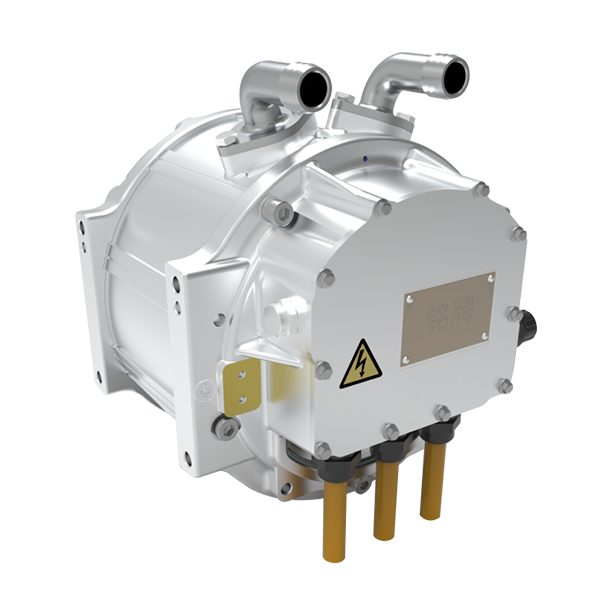
Part 2 — New principles and what to expect next
Now I want to look forward. I believe the biggest gains come from smarter control principles rather than brute-force hardware swaps. Modern electric motor solutions blend better algorithms with simpler hardware tweaks. For example, adaptive field-oriented control reduces torque ripple and improves efficiency without changing the motor itself. You can get measurable energy savings and smoother starts just by updating the control strategy. I’ve tested systems where updated control logic trimmed peak currents and extended duty cycles — measurable, repeatable wins.
Practically speaking, prioritize modular upgrades: better inverters with telemetry, updated power converters, and smarter drive firmware. These let you monitor performance in real time, detect drift, and apply parameter tweaks remotely. That reduces downtime and lets you plan maintenance instead of reacting to it. I recommend starting with one critical line, run a trial, and then scale. It’s methodical. It’s less risky. And yes — it takes some upfront work, but the payback is quick. — trust me, I’ve seen the numbers.
What’s Next?
Here are three quick metrics I use when evaluating upgrades: efficiency under typical load, fault frequency over 90 days, and mean time between service events. Use them to compare options side-by-side. When you weigh vendors, ask for data on those three points — and insist on a short pilot so you can see the effect in your environment.
To wrap up, I’ve walked through why surface-level fixes fail and how updated control principles give you the real gains. I’m not selling hype; I’m sharing what worked on floors I’ve walked. If you want small steps with clear impact, focus on smarter control, accessible analytics, and modest hardware upgrades. For practical parts and proven product lines, check suppliers that offer integrated solutions and good post-sale support — that’s often the difference between a one-off fix and lasting reliability. For trusted options, I look at suppliers like Santroll who combine hardware, firmware, and support thoughtfully.