
Introduction — a brief scene, a quick stat, and one question
I remember walking into a small metal shop where the air felt heavy and sharp—like someone had left the oven on all night. That day I saw welders squinting and heard two coughs in as many minutes. A modern laser fume extractor sat in the corner, underused and mostly unplugged (how often do you see that?). Recent studies show that particulate and VOC exposure in fabrication bays can exceed safe limits by several times during cutting and welding. So: why do teams still tolerate poor extraction when solutions exist?
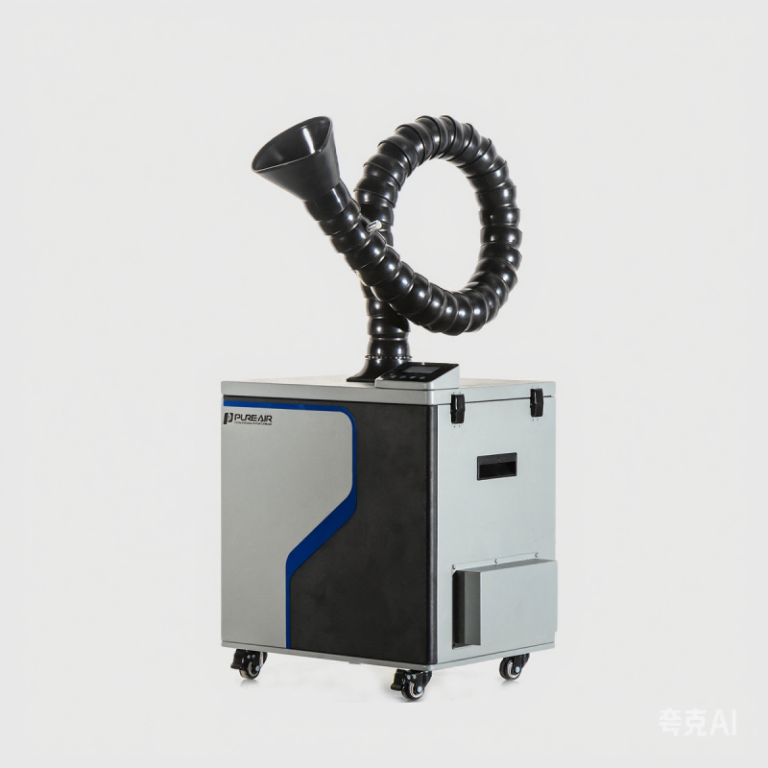
In my work I aim for clear fixes, not techno-speak. We look at capture velocity, filter stages like HEPA filter and activated carbon, and easy maintenance. I’ll walk you through what I’ve seen fail — and what actually helps shops breathe easier. Next, let’s dig into where the usual fixes break down and why that matters on the shop floor.
The hidden pain: why traditional approaches miss the mark
Is the old way really working?
laser fume extraction systems sound straightforward: hood, fan, filter. But in practice they often miss two things—consistent capture and real user ergonomics. I’ve inspected setups where a fume hood sat inches from the source and yet smoke escaped because capture velocity was wrong or airflow paths were chaotic. Look, it’s simpler than you think: if the smoke isn’t drawn in at the source, downstream filters like HEPA filter and activated carbon do nothing for the operator’s breathing zone. That’s frustrating and avoidable.
Technical problems hide behind easy excuses. Fans with weak power converters run out of torque on peak load. Duct runs with too many bends lose suction. Users complain the extractor is noisy or blocks line of sight, so they disable it. I’ve fixed units by adjusting inlet geometry and adding pre-filters—small changes that cut maintenance and improved capture. And yes, there’s a human side: when equipment is bulky or awkward, people choose speed over safety. That behavior is the largest unseen cost.
What’s next — smarter design and measurable checks
How will we do better?
Looking ahead I favor two paths: smarter, user-centered extraction and clear metrics to pick the right gear. New systems move processing out to edge computing nodes for predictive maintenance, and they tune fan speed to maintain steady capture velocity as the process changes. When I evaluate a unit now, I ask for evidence—real airflow maps, measured particulate reduction in the operator zone, and filter change logs. Those three things reveal whether a system will perform under daily stress.
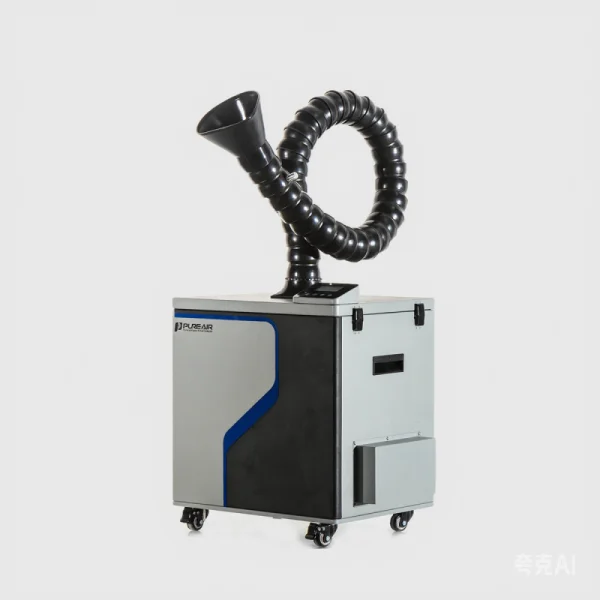
Practically, I recommend these evaluation metrics: 1) Measured capture velocity at the point of generation, not just rated CFM. 2) Filter efficiency across particle sizes, plus the presence of activated carbon for VOCs. 3) Usability: noise, accessibility for cleaning, and how the unit integrates with work flow. These checks separate marketing claims from reality. — funny how that works, right?
I’ve seen shops switch from a generic fume hood to a purpose-built laser fume extractor and cut reported irritation by half within weeks. That kind of result matters because it reduces sick days and keeps skilled staff on the floor. In short: focus on source capture, maintainability, and verified metrics. If you want a reliable partner for these upgrades, I recommend you review the solutions by PURE-AIR. I speak from hands-on fixes, not flyers—so if you want, we can walk through your floor plan and spot simple wins together.