

In the fast-paced world of electrical utilities, the shift towards more reliable and efficient components is paramount. Data suggests that nearly 30% of power line failures stem from insulator issues. This brings us to an essential component: the composite suspension insulator. As we navigate this domain, understanding the nuances and benefits of these insulators becomes imperative for stakeholders in the energy sector.
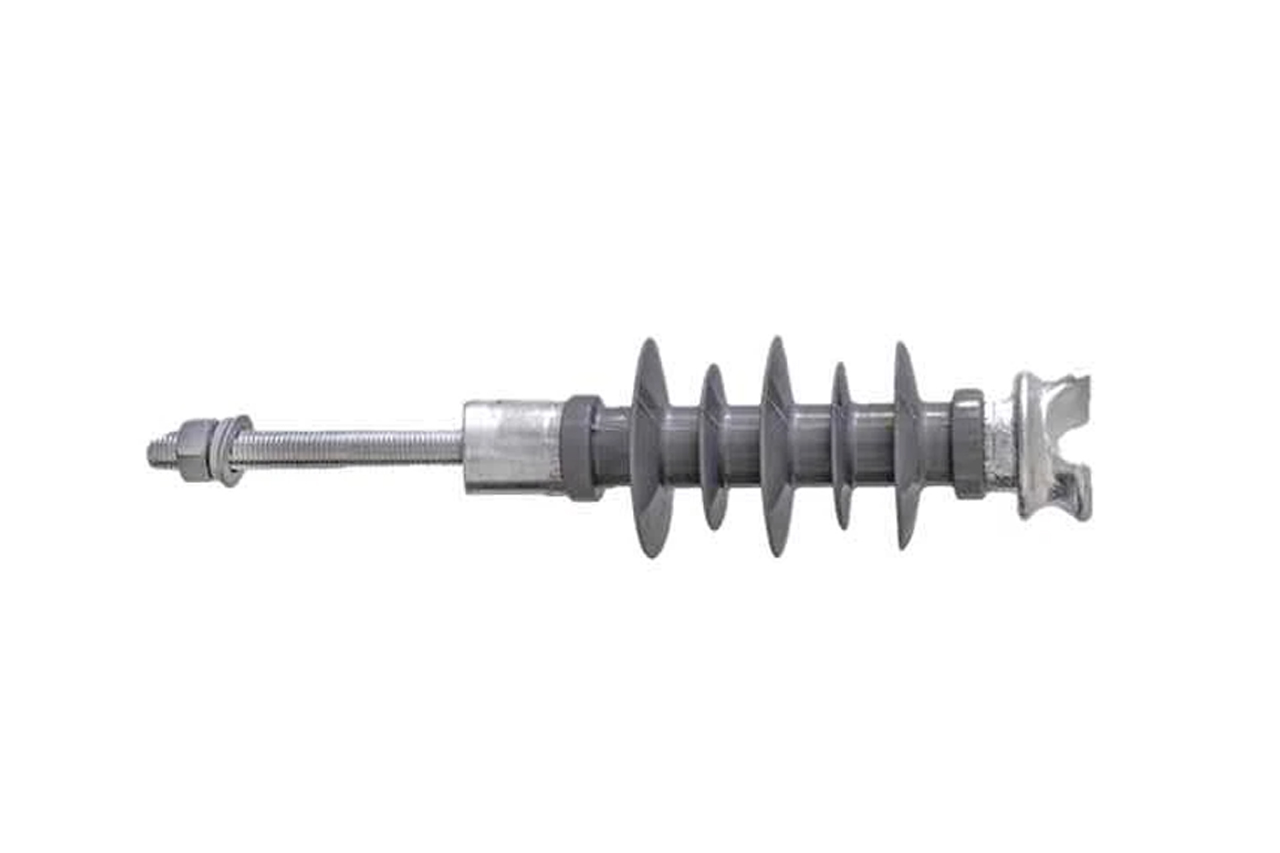
Understanding the Composite Suspension Insulator
A composite suspension insulator is designed to withstand environmental challenges while maintaining optimal electrical performance. They’re crafted from materials that resist weathering, are lightweight, and offer exceptional mechanical strength. Picture this: I once oversaw an installation over tumultuous terrain where traditional ceramic insulators faced cracks and failures. The composite options not only held firm but also simplified the overall setup, reducing labor costs and improving reliability.

Why Choose Composite Insulators?
When scaling operations, the choice of insulators can either make or break your setup. Specifically, composite suspension insulators resist moisture and contaminants much better than their ceramic counterparts. Trust me, I’ve seen firsthand the stark contrast in performance. A particular project at a substation in New Mexico faced continuous issues with glass insulators shattering due to stress; switching to composite options turned the situation around. With less upkeep and greater longevity, they deliver not just performance but long-term savings on maintenance and replacement costs.
Brighter Futures with Pin Type Composite Insulators
Pin type composite insulators are making headlines—they’re a smart choice for distribution systems. Their design allows for easy installation and durability against various weather conditions. However, what’s truly innovative is how they perform under stress. For example, I recall a project where we installed these insulators in a region notorious for strong winds. The resilience they displayed was nothing short of impressive; we had less downtime and, consequently, increased service reliability.
What’s Next: Advancements in Composite Insulators?
The future of core insulator technology looks promising. Manufacturers are rolling out composites infused with unique properties to enhance performance further. I predict we’ll soon witness advancements like self-cleaning surfaces and even better resistance to thermal expansion. For us as buyers, this means the potential for a complete overhaul in how we perceive reliability and efficiency in energy transmission. Moving forward, the emphasis will surely be on how well these products integrate with smart grid technologies.
Key Takeaways: Making the Right Choice
Upon evaluating these insights, a few critical points arise. First, always consider the environmental conditions where the insulators will be deployed. Second, prioritize longevity over initial cost; remember that savings often accrue over the life cycle of the product. Lastly, collaboration with manufacturers like SH POWER enables you to access cutting-edge technology tailored to your unique needs. I genuinely believe that investing in quality composite insulators can revolutionize the way we deploy energy solutions.
Ultimately, the choice between traditional and modern insulator solutions can save you both time and money. As the industry evolves, so too should our methods and materials. Embracing innovation in insulating technology is not just a trend—it’s the future of reliable energy delivery. Reach out, and let’s lead the way together!