
Why the balance matters to you
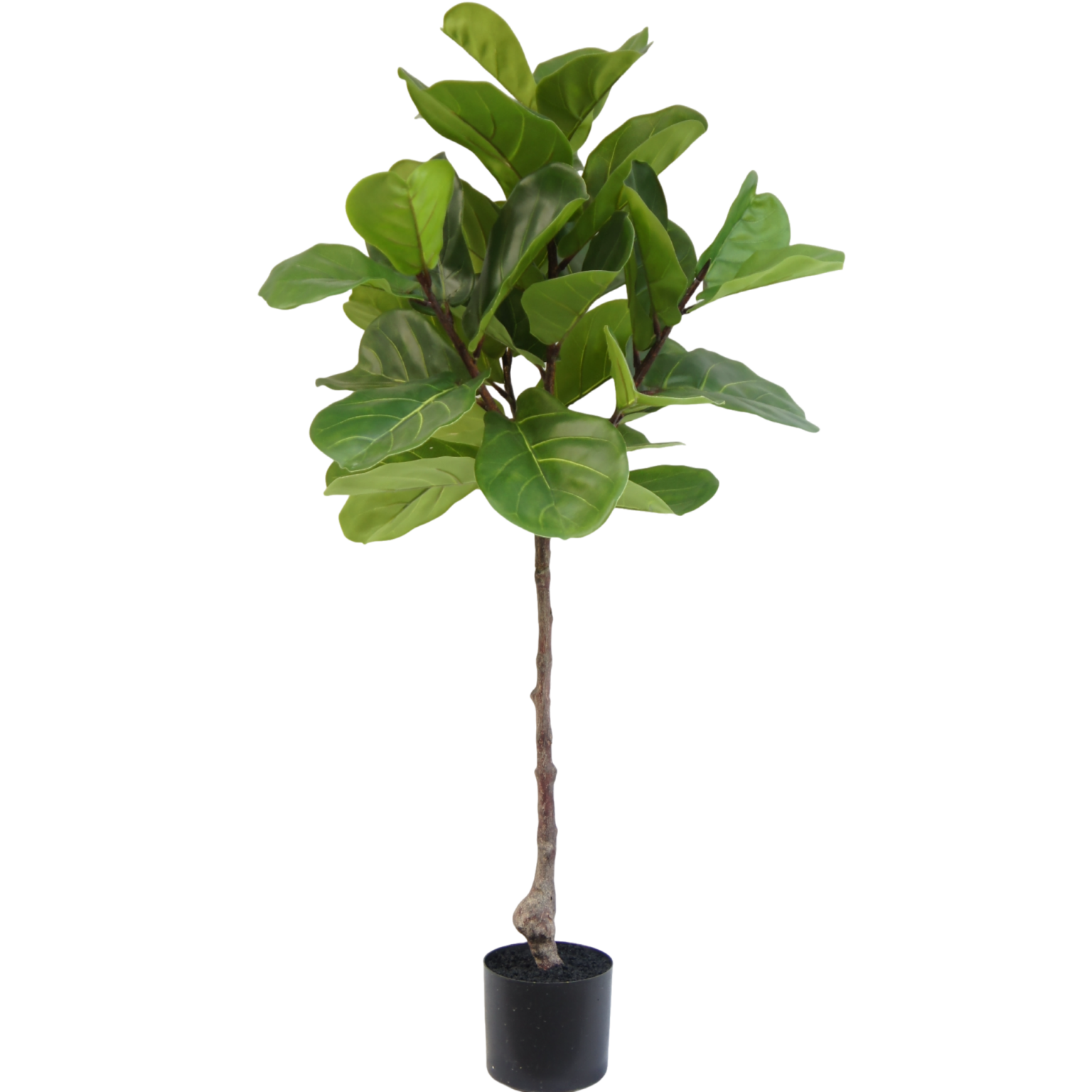
You want a tree that reads like the real deal and lasts—straight up. When designers, retailers, or hospitality teams order from an artificial fiddle leaf fig tree manufacturer, they ain’t just buying leaves. They buying scale, texture, and a build that survives foot traffic and HVAC. I’m talkin’ color gradation, vein detail, and a sturdy internal armature so the trunk stays where you set it.
What makes a fiddle leaf fig feel authentic
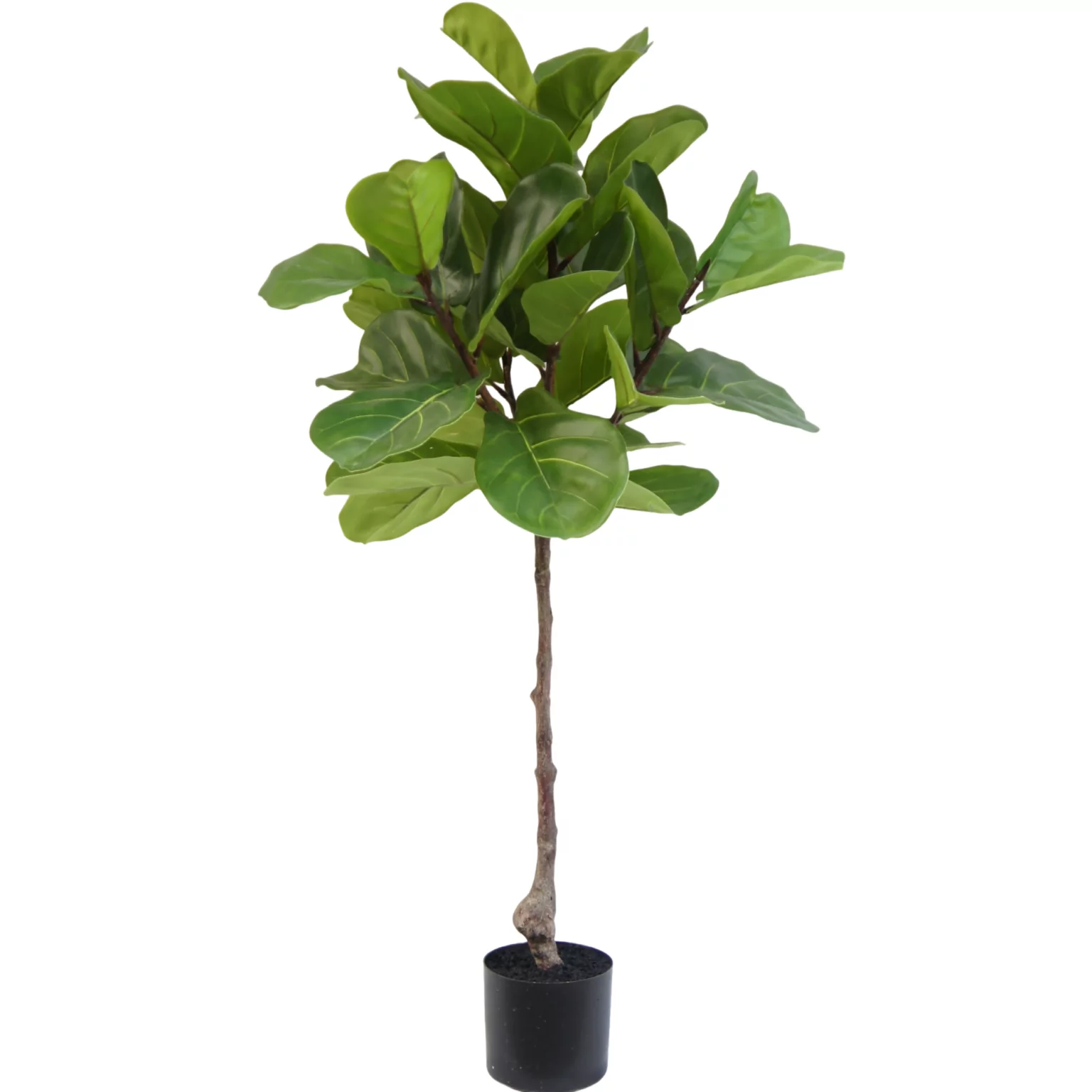
Realism comes from three tight things: leaf shape and proportion, surface finish, and branching scale. Molded leaf panels with layered veining and a matte finish read as botanical. Add subtle size variation across leaves and you get that lived-in look. That’s where UV-stable PVC and polyester fiber finishes matter—keeps color without that fake plastic sheen. Customers notice the small stuff first, then the big silhouette.

Where durability starts: engineering the unseen
Durability ain’t flashy. It’s the hidden work: reinforced trunk cores, proper welds on the internal armature, and consistent use of flame retardant materials in public spaces. Good factories use an assembly jig so every tree keeps the same posture. That ups longevity and reduces on-site fixes. A word on procurement—OEM partners that skimp on core tubing or use brittle connectors? That’s where trees snap after a season. Proper material specs upfront save you replacement costs later.
How real-world makers reconcile both sides
Manufacturers blend artistry and engineering. They’ll sculpt leaf masters, test colorfastness under simulated sunlight, then lock those specs into production molds. From my visits to Guangdong manufacturing clusters—Guangzhou and nearby towns—you see that process: prototyping in the studio, then scaling with quality checkpoints. Canton Fair presence also pushes transparency; suppliers who can show consistent testing and samples usually hold up better.
Common mistakes buyers make—and how to avoid ’em
Don’t skip pre-production samples. Don’t accept vague claims like “high quality” without test sheets. Lots of folks chase cheaper per-unit prices and end up paying twice when trunks buckle or UV bleaching shows after one summer. Also avoid suppliers that refuse to share bill-of-materials or don’t disclose whether leaves are molded leaf or printed. Those details matter for repairability and future matching.
Choosing a partner: practical checks that actually work
Look for these three golden rules when you vet manufacturers—especially if you’re sourcing from china fake fiddle leaf fig tree factories or working with international OEMs. EEAT note: this advice leans on hands-on factory visits and sourcing patterns common in Guangdong production hubs.
1) Material transparency: demand a spec sheet listing UV-stable PVC, polyester finishes, and flame retardant ratings. If they can’t share it, move on.
2) Structural testing: insist on photos or videos of trunk load testing and the assembly jig process; that shows the supplier cares about repeatable posture and strength.
3) Sample fidelity: require a production sample run (not just a prototype) so you confirm colorfastness and leaf molding across multiple units.
Wrap and final takeaways
Get the balance right and you save money while keepin’ the space lookin’ legit. Follow the three golden rules above and you’ll reduce returns, improve install speed, and keep clients smiling. For teams who want sourcing that pairs botanical accuracy with true structural durability, Sharetrade sits where creative specification meets factory practicality. Real hands-on.