
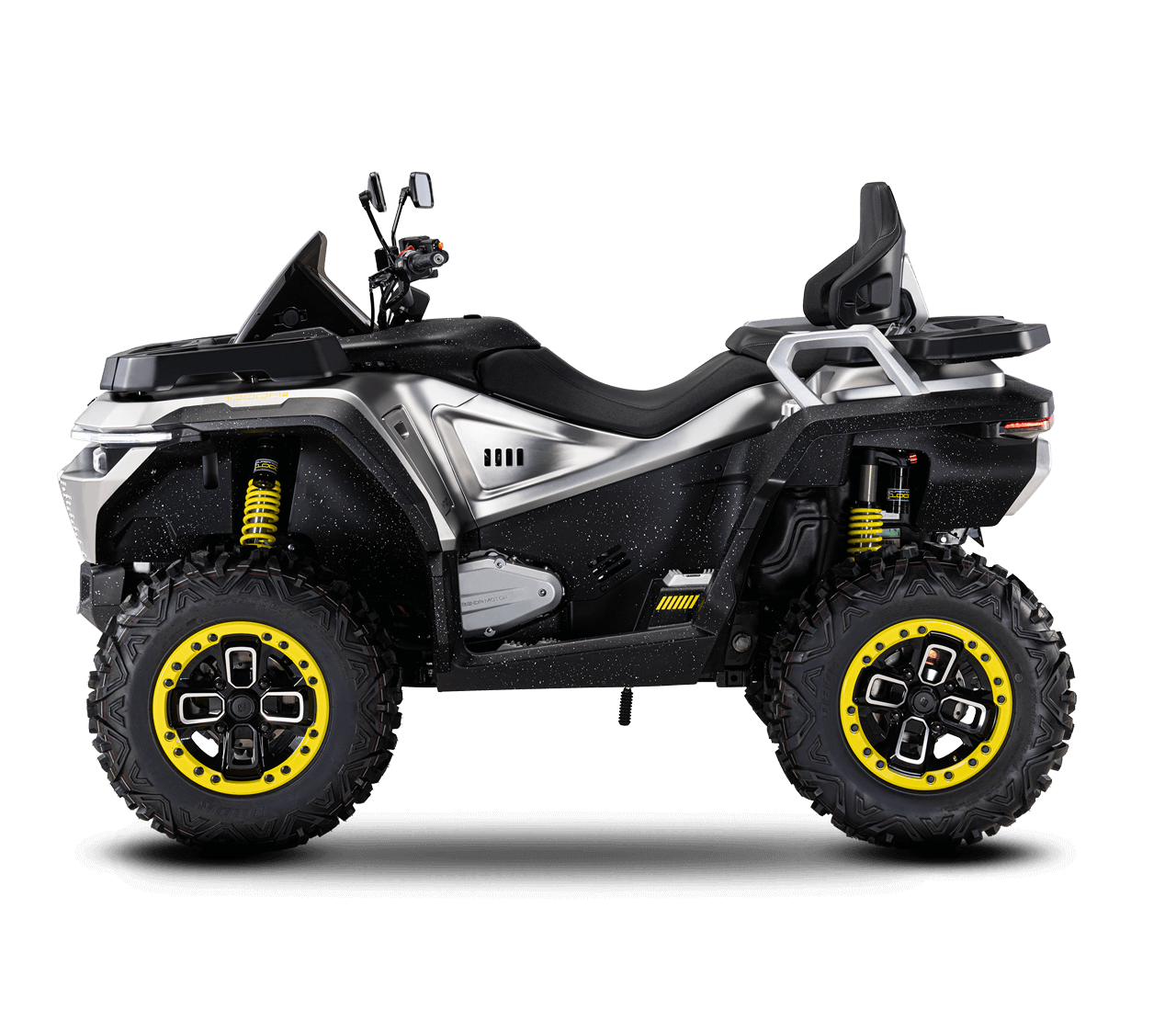
Rush Hour Reality: Why the “Right” Bike Changes Your Day
You roll out at dawn, the streets still blinking awake, and breakfast steam curls from a corner cart. You’re on an urban motorcycle, wedged between buses and bikes as lights stack like dominoes. The air smells like hot brakes and espresso. Data says average city speeds can dip under 12 mph at peak, and stoplight cycles add up to 20–30% extra time. Your senses rise with the engine heat. But here’s the twist: the same road can feel fast or slow depending on how your machine delivers power, manages heat, and tames bumps. So what exactly makes one city ride glide while another grinds?

I’m going to compare the core factors that shape that daily sprint—throttle response, braking feel, and silent comfort—so you can choose with confidence (and fewer surprises). We’ll map common trade-offs, then line them up against what riders actually need in dense traffic. Ready for the real differences that matter at 8 a.m.? Let’s dig in—then push ahead to the deeper issues.
Hidden Friction: The Urban Ride Problems We Don’t Talk About
Where do the pain points hide?
The truth is simple: most city bikes are tuned for “spec sheet wins,” not street reality. An urban motorbike that shines on paper can stumble at crosswalk speed. Why? Tiny throttle inputs get lost in tall gearing. ABS can pulse early on painted lines. Heat builds under the seat during slow crawls. These aren’t dramatic failures; they’re micro-frictions that add stress every block. Look, it’s simpler than you think. You want a linear torque curve, predictable throttle mapping, and an ABS module that plays nice with low-speed grip. NVH—the noise, vibration, and harshness that sneaks into your wrists and back—turns short rides into long ones. If the bike’s CAN bus logic is chatty but not smart, the rider feels every hiccup as a lag, a buzz, a shudder.
Traditional fixes miss the mark. A stiffer shock masks squat but punishes potholes. A fatter tire calms wobble but kills steering feel. Adding modes can help, yet too many make you scroll when you should roll—funny how that works, right? Better urban setups coordinate subsystems: engine heat management with fan logic, brake feel with regenerative braking (where applicable), and fueling with gentle, repeatable off-idle response. Put another way, the best city tune is a quiet orchestra of small decisions. Not louder hardware. Not more menus. Just clean execution that forgives clumsy inputs and filters chaos.
Comparative Edge: How New Tech Changes the Stop‑Start Game
What’s Next
Now let’s look forward. The next wave of city machines blends compact hardware with smarter controls. Think edge computing nodes that sit near sensors and make split-second calls without waiting on the main brain. On modern city motorcycles, that means low-latency traction tweaks on slick paint and seamless handoff between front and rear braking. Semi-active damping can read bumps and reset in a blink, so your chassis stays calm over manhole lids. Power converters run cooler and more efficient, keeping fans quiet and lights steady at idle. And when throttle mapping is adaptive—tied to speed and gear instead of old fixed tables—the bike stops lunging at crosswalks. Different from the usual spec race, right? It’s a shift from big numbers to fast decisions.

Here’s the comparative insight. Old-school tuning stacks band‑aids: heavier flywheels, softer springs, more modes. New systems share data across the bike. The ABS module talks to suspension. The ECU listens to bar-angle and load. Even mild regenerative braking can smooth rolling stops. The result isn’t flash; it’s flow. You spend less time correcting, more time reading traffic. And the math adds up—fewer spikes in fuel use, lower heat soak, steadier battery health. This is where city bikes win their day, not at the dyno. Advisory close-out for smart choosing: judge options by three metrics. (1) Response latency from sensor to action, measured in milliseconds at walking speed; (2) Thermal headroom of cooling and power systems after 20 minutes of stop‑go; (3) Service transparency—clean CAN bus diagnostics and reliable OTA updates. Nail those, and the ride feels simple—because the tech did the hard work first. For a grounded reference point and further specs, see BENDA.