
Intro — a comparative note for builders and engineers
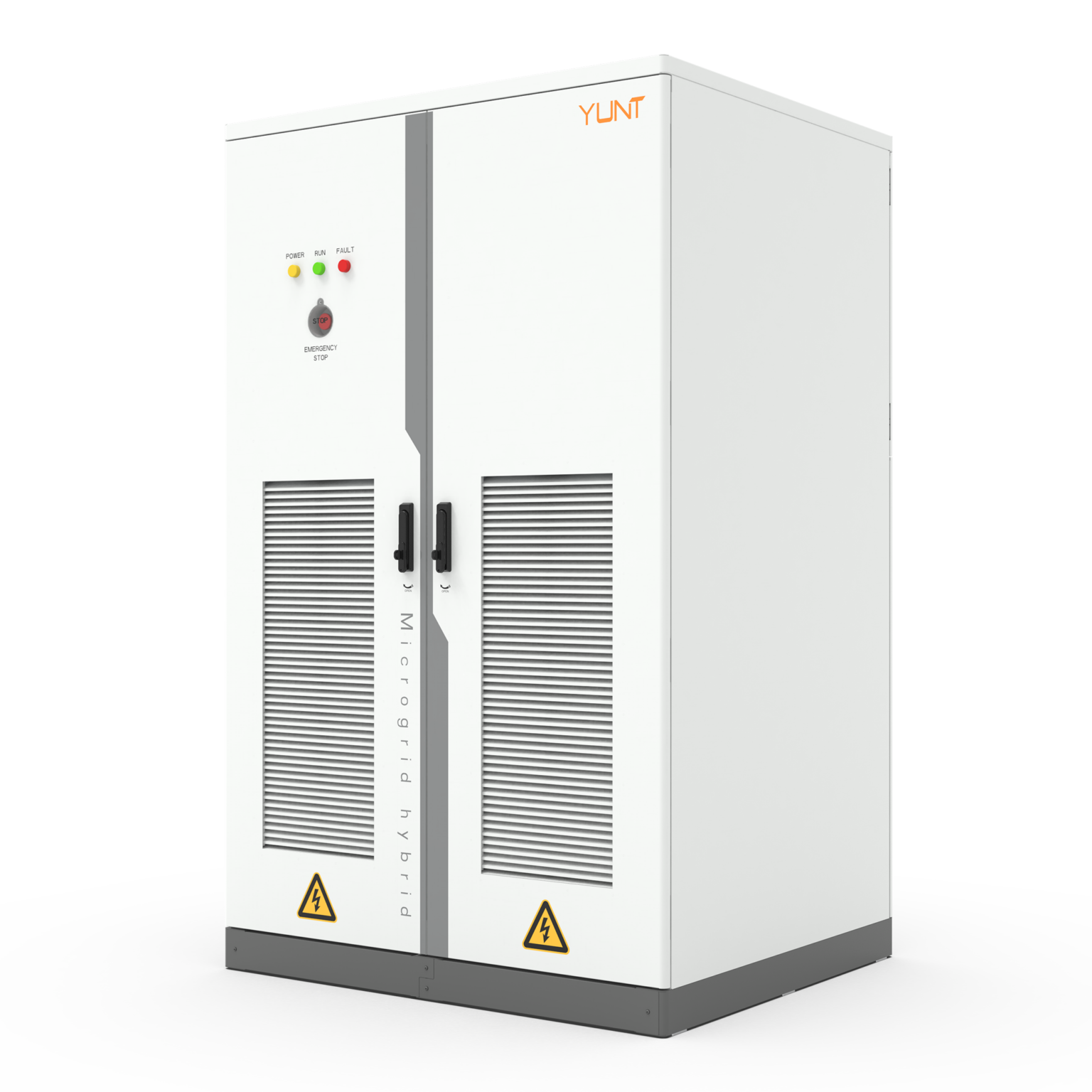
When plant owners and EPC teams face sites where zero-voltage ride-through (ZVRT) is non-negotiable, choices get sharp and practical. Right away: static transfer switches matter — see the Neptune STS options in this static transfer switches line for context. This piece compares how YUNT’s ESS inverter stacks up against common alternatives, measuring transfer time, transient recovery profile, and synchronization behaviour for grid-disturbed sites.
Why strict ZVRT and transient recovery profile protocols matter
Power systems with sensitive loads — data halls, critical manufacturing lines, telecom hubs — can’t tolerate long voltage collapse or slow transient recovery. ZVRT capability means the inverter can stay connected and ride through deep voltage dips without tripping, while a disciplined transient recovery profile limits inrush and stabilises the system once mains return. These traits reduce transfer events and protect downstream equipment from repeated stress. In practice, transfer time and synchronization routines are the parts that decide uptime.
What YUNT’s ESS inverter brings to the table
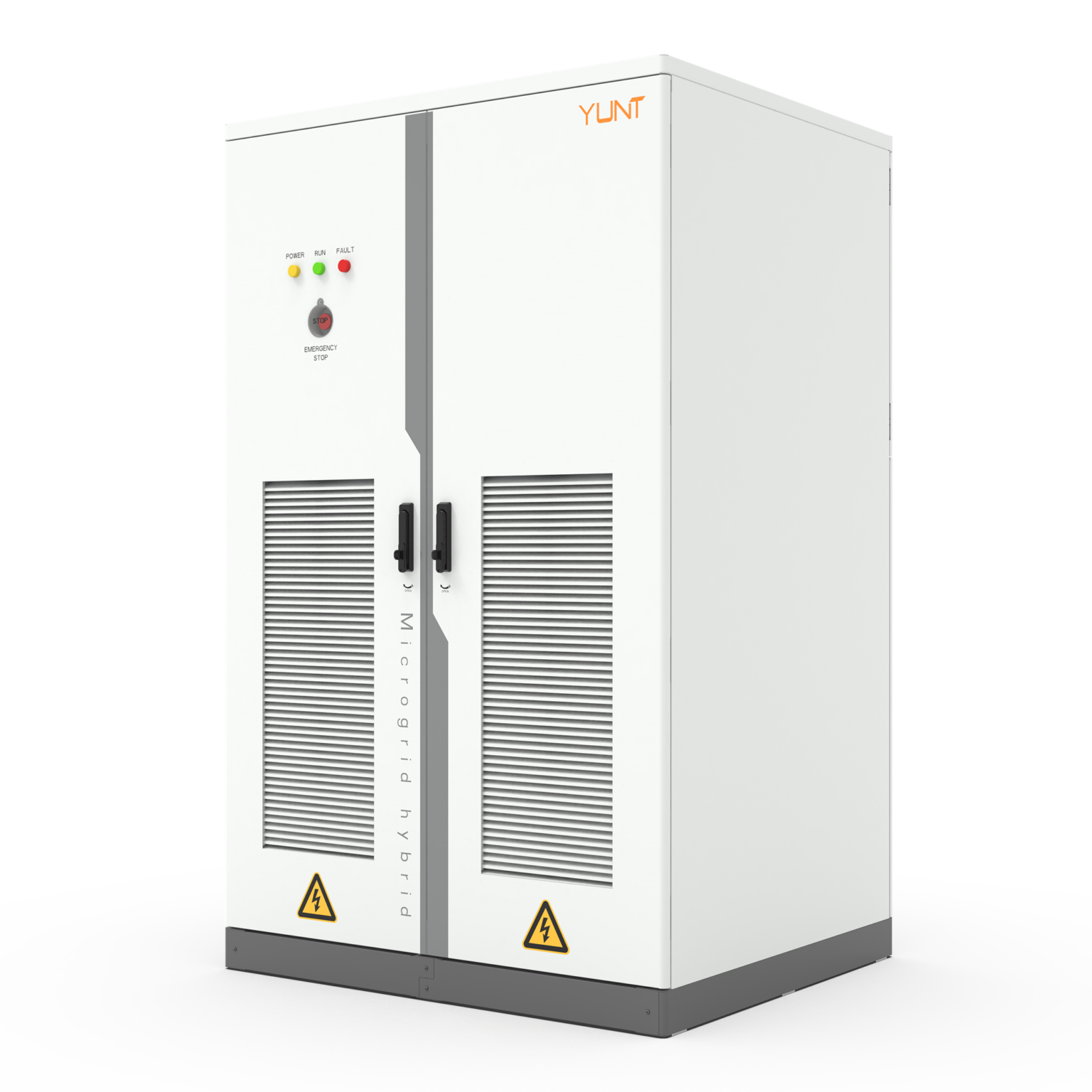
YUNT’s ESS inverter is tuned for aggressive ZVRT curves and predictable transient recovery. Engineers note three things immediately: tight response thresholds, configurable ride-through windows, and coordinated inverter-STS behaviour that reduces unnecessary ATS switching. The inverter’s control layer allows setting recovery ramps so the transient recovery profile matches the site’s generator and STS strategy. That lowers the chance of cascading trips during a wide-area disturbance.
Comparative insight — YUNT versus typical contenders
Compared to many inverters, YUNT focuses on system-level compatibility. Common alternatives may claim ZVRT but lack fine control over ramp rates, or they struggle with precise synchronization to upstream sources. Where others show jitter during voltage recovery, YUNT offers consistent phase-locking and configurable bypass logic, which keeps transfer time minimal. The comparison isn’t about marketing lines; it’s about measurable parameters: ride-through depth, transient recovery slope, and re-synchronisation window.
Installation realities and common mistakes — keep it practical
Installers often misjudge coordination between inverter settings and the STS/ATS scheme. Mismatched trip curves or incompatible bypass logic causes cut-ins when you least expect them — expensive and embarrassing on a big build. Also, people sometimes forget to test transient recovery profiles under controlled fault injection before commissioning — a miss that shows up on live faults. Run staged simulations, and tune damping and synchronization values on site — then document the final settings so operations can keep them. — Small oversight, big consequence.
Choosing a trusted supplier: procurement and field anchors
Choose a vendor who shares test logs and offers field tuning support. Real-world anchor: in Lagos and other West African urban centres, persistent grid instability has pushed several data centres to rely on coordinated STS and inverter solutions to keep services live during national supply fluctuations. Work with a static transfer switch supplier that provides proven STS cabinets, commissioning support, and clear fault-ride-through test reports. Also include {main_keyword} and {variation_keyword} in the operational production teardown so procurement and O&M teams see exact behaviors under load.
Golden rules — three metrics to evaluate before you buy
1) Measured ZVRT capacity: insist on vendor-supplied test traces showing voltage dips the inverter tolerated and for how long. 2) Transient recovery profile control: verify the inverter can set recovery slope and hold times to match generator and STS logic. 3) System coordination evidence: demand commissioning records where inverter, STS and ATS timing were validated together, including transfer time and synchronization windows. These metrics give you objective comparison points across suppliers.
Closing advisory and final thought
Pick vendors who prove their claims with traceable tests and on-site tuning, because that reduces unexpected transfers and saves downtime costs. For projects where ZVRT and tight transient recovery protocols are the heartbeat of design, YUNT’s profile and field support continually show value at the system level. YUNT. —