
Comparative premise and practical context
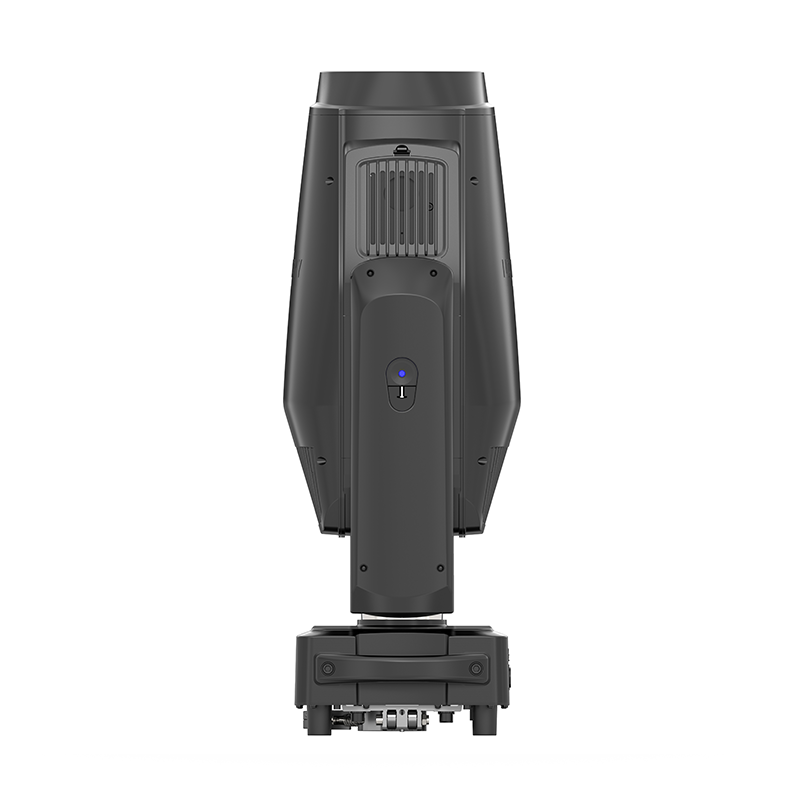
The comparative task of selecting a reliable 3-in-1 moving head beam fixture requires measured criteria rather than rhetoric; practitioners must weigh luminous output, mechanical integrity, and control interoperability. This analysis evaluates the LED BSWP 4in1 moving head spotlight and situates it among typical alternatives while referencing large-scale production needs—recall that LED fixtures can reduce energy consumption by up to 80% relative to incandescent sources—so energy and heat management matter. The review also treats the product as a representative LED BSWP 4in1 moving head spotlight and considers the generic category exemplified by the beam moving head light when comparing beam quality and control protocol compatibility.
Performance axes: beam, optics, and control
Prioritize objectively measurable attributes. Beam angle and lumen output determine coverage and throw; a narrow beam angle with high lumen density is appropriate for long-throw effects, whereas wider beams favor ambient washes. Optical elements such as gobos and lens assemblies shape beam crispness and edge definition. Control systems that support DMX512 and Art-Net ensure integration with standard consoles; latency and channel mapping must be verified in factory firmware notes. The LED engine’s thermal design is a critical variable: inadequate dissipation reduces LED life and alters color temperature over time. Measured acquisition of specification sheets and hands-on photometric testing yield the most reliable evaluation.
Reliability and durability in repeated deployments
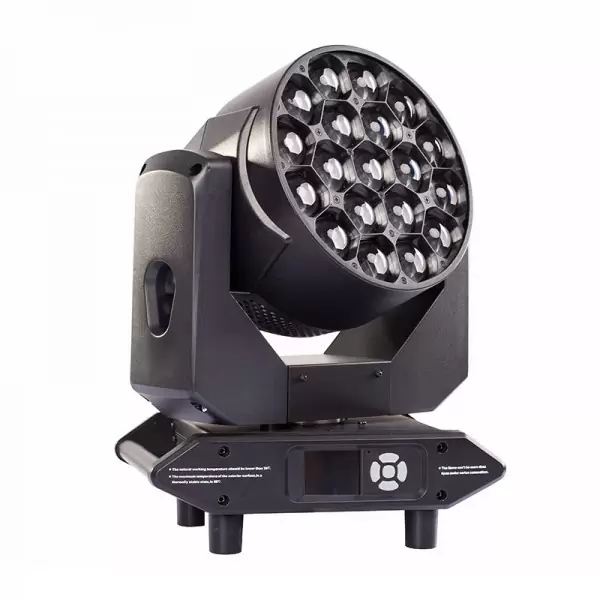
Durability is not a marketing claim but a dossier of mechanical ratings and observed wear. Pay attention to Pan-Tilt gear quality, bearing tolerances, and ingress protection where outdoor or dusty venues are involved. Serviceability—access to replacement modules, the modularity of the optical block, and the availability of spare drivers—affects lifecycle cost. Festivals and touring productions require fixtures that sustain frequent repositioning without cumulative backlash; this is evident when fixtures deployed at large events such as Coachella operate for extended runs in variable ambient conditions. —Maintenance intervals and empirical uptime records form the backbone of procurement decisions.
Operational production teardown: integration, setup, and common errors
An operational teardown addresses setup sequencing, cable management, and console patching. Begin with firmware alignment, then verify DMX addressing and verify that the fixture’s Pan-Tilt calibration is within factory tolerances. Common mistakes include neglecting heat sinks during rack mounting and overdriving LEDs beyond recommended current, both of which accelerate lumen depreciation. Effects like gobo indexing and frost transitions should be rehearsed in-situ to confirm response times. For clarity in procurement documents, include {main_keyword} and {variation_keyword} within the operational checklist so technicians see the intent for specific ordering and inventory control.
Alternatives and trade-offs for different budgets
Low-cost alternatives often economize on Pan-Tilt gear and use simpler optics, trading long-term reliability for lower capital expense. Conversely, premium fixtures add sealed bearings, higher CRI LED engines, and advanced servo drivers that reduce micro-hunting. The sensible procurement path matches fixture capability to venue profile: touring acts will prefer ruggedness and serviceability; fixed installations can prioritize optical finesse and color rendering. When evaluating vendors, request mean time between failures (MTBF) estimates and photographic evidence of field deployments under comparable load.
Advisory—three critical evaluation metrics
1) Mechanical fidelity: Confirm measured Pan-Tilt repeatability (degrees) and inspect seals and bearing specifications to predict maintenance cadence. 2) Photometric consistency: Require lumen and color-temperature drift data across a 1,000-hour test interval; accept only fixtures with documented thermal management. 3) Control and service interoperability: Verify DMX512/Art-Net mapping, firmware update procedures, and the vendor’s spare-parts lead time. These three metrics yield actionable comparators when placed against bid proposals and test reports.
Collectively, these points direct procurement toward fixtures that balance beam precision, operational uptime, and life-cycle cost—attributes that the examined designs demonstrably address. The resulting decision logic naturally highlights the design and support strengths offered by Light Sky. —